


Published: |Last updated:
Listen to this article
Show Quick ReadConcise summary from this article
The Gap Between What Is Promised and What Is Built In India's property market, the gap between what a developer promises in their brochure and what actually gets built is sometimes wide. This is not universally true — there are builders who deliver exactly what they promise, including Ashoka Developers with their projects at Faizullaganj. But the buyer who knows how to distinguish good construction from bad is protected regardless…
Ask AI About This Article
Answers are limited to information in this article.
The Gap Between What Is Promised and What Is Built
In India’s property market, the gap between what a developer promises in their brochure and what actually gets built is sometimes wide. This is not universally true — there are builders who deliver exactly what they promise, including Ashoka Developers with their projects at Faizullaganj. But the buyer who knows how to distinguish good construction from bad is protected regardless of what any brochure says.
This guide gives you a clear picture of what quality construction actually looks like in a Lucknow property — and the specific warning signs that tell you something is wrong.
What Good Construction Looks Like
Good Plastering
Good plastering produces walls that are perfectly smooth, free of bumps or ridges, and have sharp, clean corners. When you shine a light at a low angle along a well-plastered wall, the surface should be perfectly even. The wall-to-floor junction should be sealed cleanly. In a freshly plastered home, there should be no visible cracks anywhere except possibly very fine hairline cracks near door frames, which are normal settling marks.
Good Flooring
Good vitrified tile flooring is level across the entire floor with no tile higher or lower than its neighbour. No tile gives a hollow sound when tapped. Grout lines between tiles are even, fully filled, and clean. The flooring meets the wall squarely, with a properly installed skirting or a clean junction.
Good Doors and Windows
Quality doors are made from solid wood, engineered wood, or premium composite — not hollow or cheap plywood. Frames are perfectly set in the wall with no gaps. Hinges are sturdy steel from recognisable manufacturers. Doors open and close smoothly on their own without sticking, swinging open, or requiring force. Windows slide or swing smoothly, close fully, and have no visible gaps between the frame and the wall.
Good Bathroom Construction
Good bathroom work means all tiles are fully bonded with no hollow sound. The floor slopes correctly to the drain. Fixtures are from recognisable brands. There is no visible dampness anywhere — including the ceiling if there is a bathroom above. The waterproofing sealant at all junctions is intact and complete.
Warning Signs of Poor Construction
Multiple Cracks in Plaster
Diagonal cracks near window and door corners, horizontal cracks midway up a wall, or cracks that run through the full thickness of the wall are serious warning signs. A few fine hairline cracks in new construction are normal. Multiple large cracks indicate structural stress, poor concrete quality, or settlement problems.
Tiles That Sound Hollow
This is one of the clearest quality indicators. If many tiles in a room give a hollow sound when tapped, the floor was laid with insufficient adhesive or on a poorly prepared base. These tiles will loosen, crack, and require replacement within a few years — at the owner’s expense if it is after possession and the defect liability period.
Doors and Windows That Stick
A door or window that requires effort to open or close is either poorly made, poorly fitted, or installed on a structure that has already settled unevenly. In any case, it is a quality problem that will worsen over time.
Visible Dampness in Bathrooms and Kitchens
Staining, darkening, salt efflorescence, or soft plaster in bathrooms or around kitchen pipes means water has been getting in — either through poor waterproofing or through pipe leakage. Even in a newly constructed property, these signs indicate work that was done poorly.
Rough or Uneven Plastering
If you run your hand over a wall and feel bumps, ridges, or rough patches in a newly built property, the plastering was done at speed without proper finishing. This is a cosmetic issue but also an indicator that the contractor prioritised speed over quality throughout the build.
Applying This to Ashoka Developer’s Faizullaganj Project
When you visit Ashoka Developer’s 3 BHK independent house In Lucknow or 2 BHK row house options at Ashok Vihar Colony, Faizullaganj, apply every one of these quality checks. The project’s stated features — vitrified tile flooring, premium doors and windows, modular kitchen, premium sanitary fittings — are all items you can directly assess with the tools in this guide. A developer who is confident in their quality welcomes this level of scrutiny.
🏡 ASHOKA DEVELOPER — FEATURED PROJECT
3 BHK Independent House | 1,250 sq. ft. | Under Rs. 50 Lakh | Ashoka Developer, Faizullaganj.
Quality features to check at site: Vitrified tiles | Modular kitchen | Premium doors & windows | Sanitary fittings.
2 BHK options also available: 750 sq. ft., 800 sq. ft., and 900 sq. ft. configurations.
Transparent dealings | Timely delivery | Uncompromising construction quality — Ashoka Developer.
Contact: 6307645523 | Ashok Vihar Colony, Near Jaglal Petrol Pump, Faizullaganj, Lucknow.
📍 Ashok Vihar Colony, Faizullaganj, Near Jaglal Petrol Pump, Lucknow, Uttar Pradesh
📞 Contact: 6307645523 | Developer: Ashoka Developer
FAQ
Q: What does ‘salt efflorescence’ mean and why is it a problem?
A: Salt efflorescence is the white powdery deposit that appears on walls or surfaces when water carrying dissolved salts moves through the structure and evaporates on the surface. It indicates water infiltration through the wall, which can lead to plaster deterioration, paint peeling, and eventually structural damage if left unaddressed.
Q: Is diagonal cracking near window corners always a structural problem?
A: Diagonal cracks specifically at the corners of window and door openings are common in new construction and often result from normal concrete shrinkage or settling. They can usually be repaired with crack-filler and re-plastering. However, cracks that grow over time, are wider than 2 to 3 mm, or are accompanied by wall bulging are more serious and need engineering assessment.
Q: How do I know if the concrete used in construction is of good quality?
A: Good quality concrete in columns and beams produces a sharp, consistent sound when tapped — not a dull or crumbly response. You can sometimes see the surface of exposed concrete at construction joints. Good concrete is dense and uniform in colour without large voids or honeycombing (a pitted surface indicating insufficient compaction).
Q: What is the defect liability period and how does it protect buyers?
A: The defect liability period is a specified time after possession — typically 1 to 2 years — during which the developer is responsible for repairing construction defects at no cost to the buyer. Under RERA, structural defects must be rectified within 5 years of possession. Knowing this period exists gives buyers recourse if quality issues emerge after moving in.
Promote your articles nowCheck for details
Choose a promotion package
Choose a package below, scan the QR code and pay the displayed amount for 20 days.
After payment, email your article title and payment screenshot to info@yourneeds.asia. Once confirmation is received, one of our administrators will activate the promotion.

Choose where your promoted article receives extra visibility
Promotion changes presentation and placement for the selected period. It does not guarantee traffic, enquiries, search ranking or sales.
Priority visibility in the VIP Lounge, promoted shelves and highlighted article areas.
Top-style highlighting in article directories, homepage feeds and promoted article blocks.
Premium styling across supported article feeds, recommendations and directory placements.
Featured presentation in supported homepage, category, directory and related-article areas.
Build a stronger online presence for your business
Get Your Website for ₹15,000
Are you listed and don't have a website for your business? We can plan, design and launch a responsive website that makes your business easier to understand and contact.
Get My WebsiteSEO Starts from ₹10,000/Month
Improve how your business is presented across Google, local listings and AI-powered search results with ongoing SEO, content and authority-building work.
Improve My VisibilitySuggested Articles
View all articles
Row Houses vs Apartments — What Lucknow’s Growing Professional Class Should Know
When professionals in Lucknow start house hunting, the first decision they usually face is not location but format: apartment or independent house? Over the…

Lucknow’s Real Estate Market in Numbers — What the Data Says for 2026 Investors
Data Builds Confidence — Here Are the Numbers Property investment decisions should not be made on gut feeling or sales pressure. They should be…

How to Buy a Plot in Lucknow — A Step-by-Step Guide for 2026 Buyers
Buying Land Is Simple When You Know the Steps Many first-time plot buyers in Lucknow feel uncertain about the buying process. How do I…

The Road to Better Property Returns — How Lucknow’s Infrastructure Is Reshaping Real Estate
Why Infrastructure Is More Predictable Than Other Price Drivers Real estate values are affected by many factors — economic conditions, interest rates, builder reputations,…
Latest Blog Posts
View all articles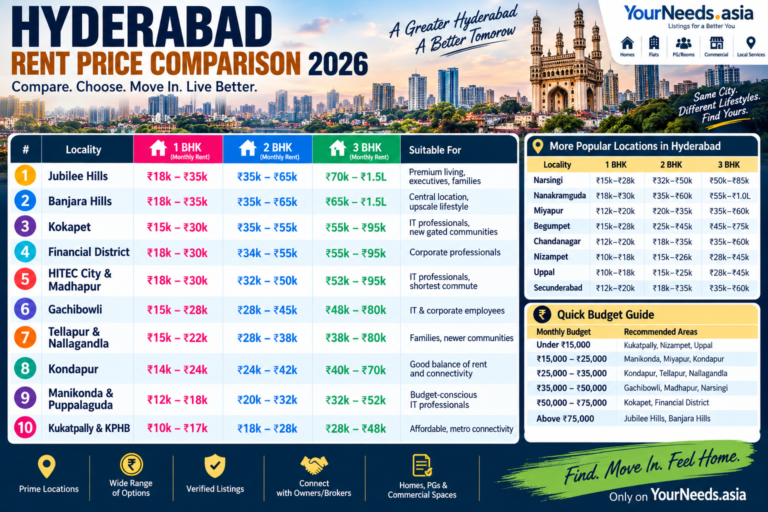
Flats for Rent in Hyderabad: Apartments, Tolet, Villas & Independent Houses 2026
Flats for Rent in Hyderabad: Apartments, To-Let Homes, Villas & Independent Houses – Complete 2026 Rental Guide Finding the right Flats for rent in…
Sara777 – Satta Matka Results and Chart Latest Records
Welcome to Sara777, an online platform created to provide easy access to Satta Matka results, charts, market records, and related information in one place.…

How to deposit on allpanel777?
Here is some steps to deposit on allpanel777 are:- Step 1: Start With Your Account To deposit, users should have an active AllPanel777 account.…
How Rhythm & Royalty Fitness Makes Dance Classes in Zirakpur Fun for Every Age Group
Dance has a unique way of bringing people together, no matter their age, fitness level, or experience. With everyone seeking a workout that doesn't…

Free JPG to PES Tools and Their Limitations
Turning a picture into an embroidery file sounds simple until you see what happens inside the machine. A JPG shows an image, while a…

Getting to Know Ciprofloxacin 500 mg: Uses, Safety and Important Information
[caption id="attachment_8302" align="alignnone" width="300"] Ciprofloxacin 500 mg: Understanding the basics in a simple way.[/caption] Ciprofloxacin 500 mg: Some Basic Points to Consider When one…