
Published: |Last updated:
Listen to this article
Show Quick ReadConcise summary from this article
The gap between good and great is, in most fields, the most difficult gap to close. The distance between bad and good is visible and navigable — the problems are identifiable, the solutions are knowable, and the path from one to the other is a matter of effort and attention applied consistently. The distance between good and great is different. Good is already the absence of obvious failure. Good means…
Ask AI About This Article
Answers are limited to information in this article.
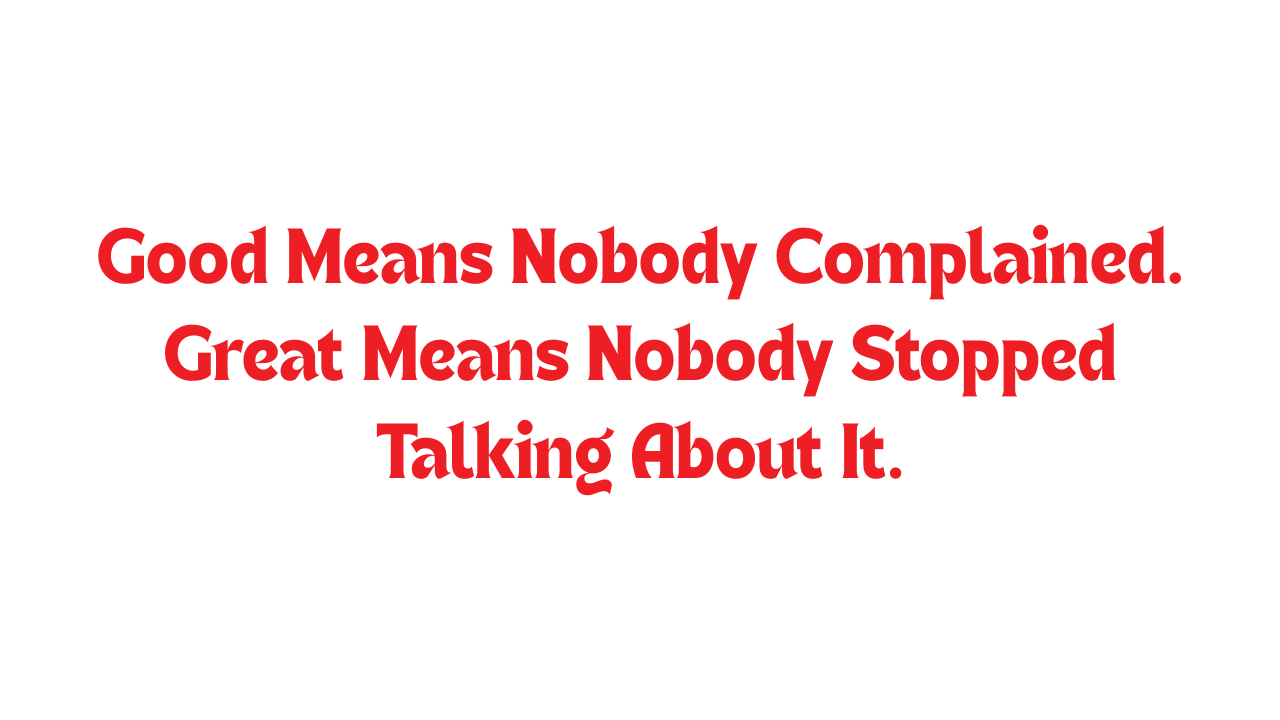
The gap between good and great is, in most fields, the most difficult gap to close. The distance between bad and good is visible and navigable — the problems are identifiable, the solutions are knowable, and the path from one to the other is a matter of effort and attention applied consistently. The distance between good and great is different. Good is already the absence of obvious failure. Good means the food arrived on time, at a reasonable temperature, in a condition that was acceptable, from a kitchen that produced something worth eating. Good means nobody complained. Good means the order will probably be placed again, in the absence of a better option.
Great is something else entirely. Great is when the food arrives and the person receiving it understands, before they have eaten anything, that this is not the same experience as the last delivery they placed from somewhere else. Great is when the container is opened and the fragrance changes the room. Great is when the first bite produces the silence that genuinely extraordinary food always produces — the silence of attention paid completely, of something being tasted that was worth the full focus of the person tasting it. Great is when the order is placed again not in the absence of a better option but because this is the better option, and the person placing it knows it.
Understanding the difference between good and great in intercity food delivery is the same as understanding what the best platforms in the category do that the merely adequate ones do not.
The Kitchen Is Where the Difference Begins
The foundation of a great intercity food delivery experience is identical to the foundation of a great restaurant experience — the kitchen. A good intercity platform works with kitchens that are available, capable, and consistent enough to fulfil orders reliably. A great intercity platform works with kitchens that produce food worth the infrastructure built around delivering it — establishments whose specific preparations carry the depth and authority of decades of practice, whose quality is not a function of careful management on any given day but of accumulated institutional knowledge that makes excellence the default rather than the achievement.
Hungersate has built its platform on the second kind of kitchen. The dum biryani that arrives through an intercity order is not a very good biryani produced by a capable kitchen. It is the specific preparation of a kitchen that has been making this specific dish for forty years — the overnight marinade completed by hands that have done it enough times to know it without checking, the dum cooking managed by instinct refined across decades of making the same preparation until the variables within it have become visible and manageable in a way that no newer kitchen has yet earned. This is the foundation that makes the difference between good and great possible. Everything that follows preserves or squanders it.
The Packaging Is Where Good Becomes Great or Stays Good
A great kitchen whose food is placed in inadequate packaging produces, at a Bengaluru address several hundred kilometres away, a good experience at best. The food was great at the source. The packaging did not protect what the kitchen produced. What arrived was the recognisable shape of something extraordinary that had lost specific and essential qualities to a journey it was not equipped to survive.
The freshness that distinguishes a great intercity delivery experience from a good one is, in practical terms, a packaging decision. The aromatic compounds of a dum biryani — the volatile essential oils released by whole spices during the sealed cooking process — are present in the container when it leaves the kitchen. Whether they are present when the container is opened in Bengaluru is entirely a function of whether the seal and the thermal insulation of the packaging were sufficient to contain them across the multi-hour journey. A great platform understands this and engineers the packaging around it. A good platform provides packaging that is adequate for the distance without being specific to the food.
The moment the container of a great intercity delivery is opened is perceptibly different from the moment a good one is. The fragrance arrives fully rather than partially. The temperature is what the preparation requires rather than what the journey left it at. The structural integrity of the food — the shikampuri kebab with its filling intact, the rice with its grain separation preserved — reflects a container that was designed for this specific dish rather than applied generically to this delivery.
The Timing Is What Completes the Experience
A great kitchen and a great packaging decision produce a great delivery only if the timing of the order, the dispatch, and the delivery window are calibrated so that the food arrives at the point in its natural development where it is at its best. A dum biryani dispatched too early arrives over-rested. A nihari dispatched without the full overnight preparation it requires arrives under-developed. A haleem packaged and dispatched at the wrong point in its preparation arrives before the silky, unified texture that the full day of cooking produces has fully formed.
As the best intercity food delivery app on the Hyderabad-Bengaluru route, Hungersate has built the timing intelligence into its platform — the ordering windows that allow the kitchen the preparation time the dish requires, the dispatch timing calibrated so that the delivery window aligns with the point in the food’s development where the experience of receiving it is at its best. This is not a feature. It is the understanding of the food translated into the operational structure of the platform.
The Consistency Is What Converts Great Into Trusted
A great experience on the first order is memorable. A great experience on the fifth order is something more significant — it is the foundation of trust, of the specific confidence that the household brings to the sixth order that the first one could not yet have earned. The platform that delivers a great experience consistently has solved the hardest problem in food delivery — not the logistics of getting food from one city to another, but the quality management of ensuring that what arrives at the fifth address and the five hundredth is held to the same standard as what arrived at the first.
The budget-friendly pricing that Hungersate maintains across its intercity menu is the practical element that makes consistent greatness accessible as a regular experience rather than an exceptional one. A great intercity delivery experience priced as an exceptional indulgence is a memory. A great intercity delivery experience priced as a very good regular meal is a habit — the weekly order placed with the specific and earned confidence of someone who has placed it enough times to know what is coming when the door opens and the fragrance arrives.
What Great Actually Feels Like
The difference between a good intercity food delivery experience and a great one is not, ultimately, a technical distinction. It is an experiential one — felt in the moment the container is opened, confirmed in the first bite, and settled into the permanent category of things that set a standard rather than simply things that met one.
Great is when the fragrance fills the room. Great is when the silence falls over the table. Great is when the platform and the kitchen and the packaging and the timing have all done their work so completely that the person eating the food thinks only about the food — not about the distance it travelled or the hours it took or the platform that delivered it.
When the food is great, everything else disappears. That is what great feels like. And that is the standard that the difference between good and great is always ultimately about reaching.
Experience the difference firsthand through Hungersate — and discover what intercity food delivery looks like when good is not considered good enough.
Promote your articles nowCheck for details
Choose a promotion package
Choose a package below, scan the QR code and pay the displayed amount for 20 days.
After payment, email your article title and payment screenshot to info@yourneeds.asia. Once confirmation is received, one of our administrators will activate the promotion.
Choose where your promoted article receives extra visibility
Promotion changes presentation and placement for the selected period. It does not guarantee traffic, enquiries, search ranking or sales.
Priority visibility in the VIP Lounge, promoted shelves and highlighted article areas.
Top-style highlighting in article directories, homepage feeds and promoted article blocks.
Premium styling across supported article feeds, recommendations and directory placements.
Featured presentation in supported homepage, category, directory and related-article areas.
Build a stronger online presence for your business
Get Your Website for ₹15,000
Are you listed and don't have a website for your business? We can plan, design and launch a responsive website that makes your business easier to understand and contact.
Get My WebsiteSEO Starts from ₹10,000/Month
Improve how your business is presented across Google, local listings and AI-powered search results with ongoing SEO, content and authority-building work.
Improve My VisibilitySuggested Articles
View all articles
Best Tasting Sweet Potato Varieties: Which One Is the Sweetest?
Sweet potatoes are available in many varieties, each with its own balance of sweetness, texture, moisture, and flavor. Some varieties are naturally soft and…
How to Choose the Best Sweet Potato Variety for Your Needs
Sweet potatoes come in many varieties, and each one has different characteristics that make it more suitable for certain recipes, cooking methods, or food…
The Anniversary Dinner That Neither of Them Will Ever Forget
Anniversary dinners carry an expectation that grows heavier with each passing year. The first anniversary is forgiving — anything thoughtful feels significant simply because…
The First Order of Intercity Food to Bengaluru and the Silence That Followed It
There is a particular silence that good food produces — different from the silence of an empty room, different from the silence between people…
Latest Blog Posts
View all articles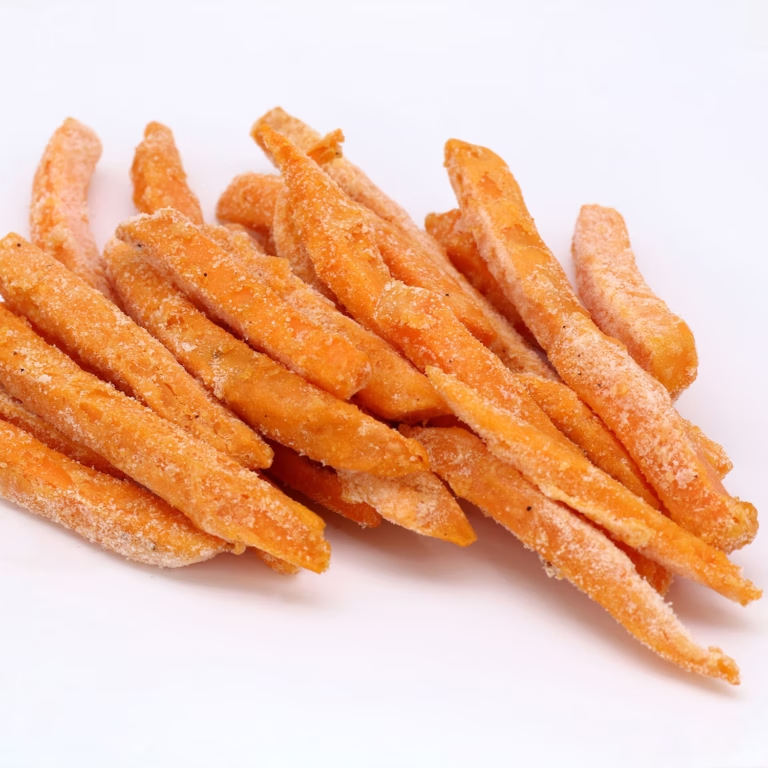
How to Choose a Reliable Frozen Sweet Potato Fries Supplier?
Choosing the right frozen sweet potato fries supplier is an important decision for distributors, retailers, and foodservice businesses. A reliable supplier should provide consistent…
Ultimate Guide to Buying Frozen Sweet Potato Fries for Foodservice
Introduction Sourcing high-quality frozen sweet potato fries is an important part of successful foodservice operations. Restaurants, foodservice buyers, distributors, and brand managers need to…
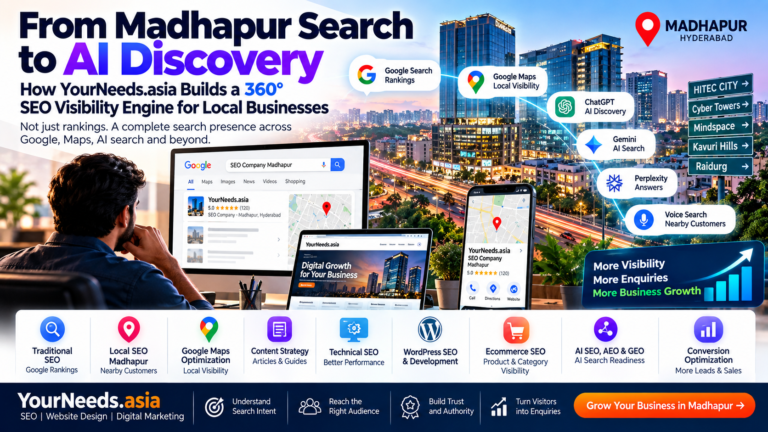
From Madhapur Search to AI Discovery Best SEO Company Madhapur Done it right 2026
From Madhapur Search to AI Discovery: How YourNeeds.asia Builds a 360° SEO Visibility Engine for Local Businesses A customer looking for a business in…
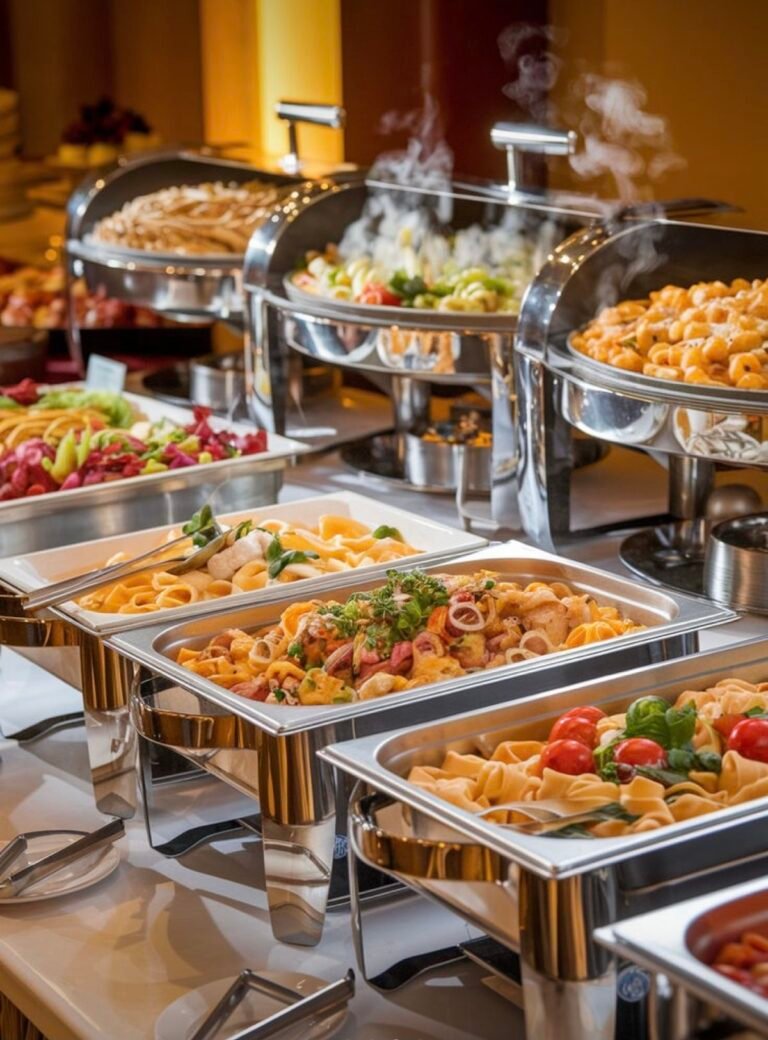
BBQ Catering in Karachi: Delicious Grilled Food for Every Occasion
When it comes to outdoor gatherings and celebrations, BBQ is one of the most popular food choices. From family get-togethers and birthday parties to…

Event Press Release: How to Announce and Promote Your Event | BeritaWire
An event press release is a professional announcement used to share important information about an upcoming event with journalists, news websites, media organizations, customers,…
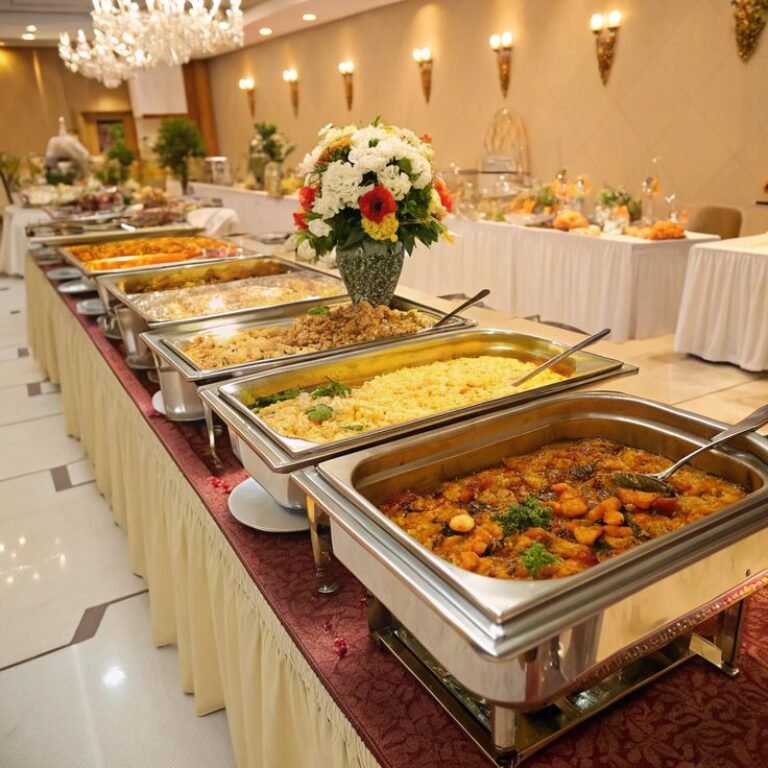
Party Catering in Karachi: Delicious Food for Every Celebration
Planning a party involves many details, but food is one of the most important parts of creating a memorable experience. Whether you are arranging…