

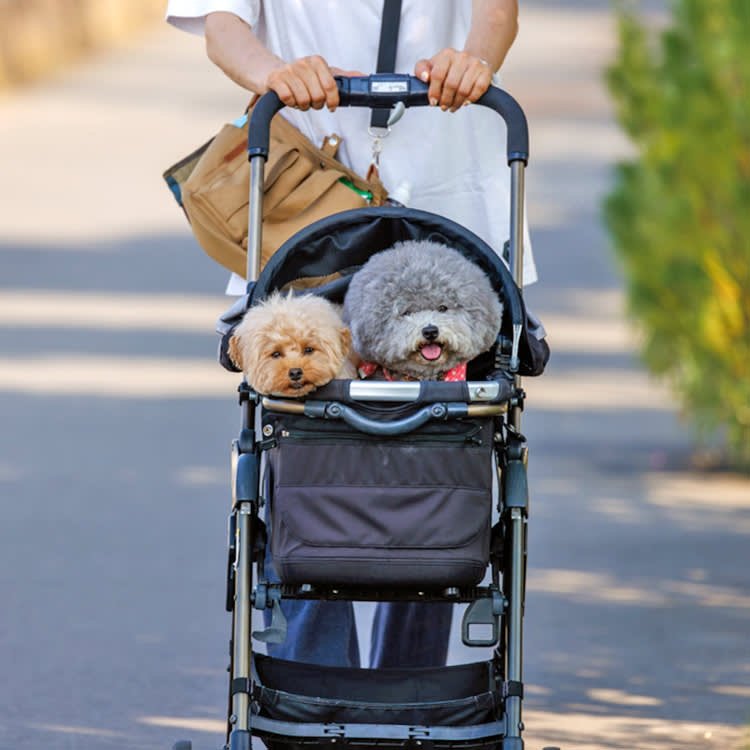
Published: |Last updated:
Listen to this article
Show Quick ReadConcise summary from this article
Using a pushchair for a dog is becoming increasingly common in the UK, particularly for puppies, senior dogs, pets recovering from surgery, or dogs that tire easily on long walks. While a dog stroller can offer comfort and safety, not every dog will immediately feel relaxed sitting inside one. Like any new experience, it requires patience, understanding, and structured training. This guide explains how to train your dog to feel…
Ask AI About This Article
Answers are limited to information in this article.
Using a pushchair for a dog is becoming increasingly common in the UK, particularly for puppies, senior dogs, pets recovering from surgery, or dogs that tire easily on long walks. While a dog stroller can offer comfort and safety, not every dog will immediately feel relaxed sitting inside one. Like any new experience, it requires patience, understanding, and structured training.
This guide explains how to train your dog to feel calm, confident, and secure in a pushchair, using positive, practical techniques that respect your dog’s emotional needs.
Understand Your Dog’s Perspective
Before introducing a pushchair dog routine, it is important to recognise how unfamiliar equipment can appear to a dog. A stroller moves, makes noise, and restricts freedom of movement. Some dogs may see it as strange or even threatening at first.
Dogs rely heavily on familiarity and scent. When something new enters their environment, they need time to observe it, smell it, and understand that it poses no danger. Rushing this process often leads to anxiety or resistance, so a gradual approach is essential.
Introduce the Pushchair Slowly at Home
Start training in a quiet, familiar environment such as your living room. Place the dog stroller on the floor with the brakes on and allow your dog to approach it freely. Do not attempt to lift your dog into it at this stage.
Encourage exploration by letting your dog sniff the wheels, fabric, and frame. You can place a familiar blanket or bedding inside so the pushchair smells like home. If your dog shows interest, reward calm behaviour with gentle praise or treats.
The aim here is simple: your dog should associate the pushchair with safety and comfort, not pressure.
Encourage Voluntary Entry
Once your dog is comfortable around the pushchair, encourage them to step inside voluntarily. You may use treats placed inside the stroller or a favourite toy to guide them. Keep the pushchair stationary during this phase.
If your dog hesitates, avoid pulling or forcing them in. Instead, reward even small progress, such as placing a paw inside. Over several short sessions, most dogs will become confident enough to climb in on their own.
This stage builds trust and ensures your dog feels in control of the experience.
Build Comfort While Stationary
When your dog is happy sitting in the pushchair, allow them to remain inside for short periods without movement. Sit beside them, speak calmly, and offer reassurance. This helps your dog relax while enclosed.
Ensure your dog is secure but not restrained too tightly. A comfortable harness attachment can prevent jumping out while still allowing natural movement. Your dog should be able to sit, lie down, and turn slightly without discomfort.
Only progress when your dog appears calm and settled.
Introduce Gentle Movement
The next step is movement. Begin by gently pushing the pushchair a short distance indoors. Keep movements slow and smooth, avoiding sudden turns or stops. Watch your dog’s body language closely for signs of stress, such as trembling, panting, or vocalising.
If your dog remains calm, reward them verbally and stop after a few moments. Gradually increase the distance over multiple sessions. Consistency is more effective than long training sessions.
Transition to Outdoor Walks
Once your dog is comfortable indoors, move training outdoors. Choose a quiet area with minimal noise and foot traffic. Short, calm walks help your dog adapt to new sights and sounds while remaining in a secure space.
Over time, your dog will begin to associate the dog stroller with enjoyable outings rather than uncertainty. For dogs with mobility issues or anxiety around busy environments, this can significantly improve quality of life.
Maintain a Positive Routine
Training does not end once your dog accepts the pushchair. Regular use helps reinforce comfort and confidence. Always ensure the pushchair is clean, well-ventilated, and suited to your dog’s size and weight.
Never use the pushchair as a form of confinement or punishment. It should always represent relaxation, safety, and companionship.
Final Thoughts
Training a dog to feel comfortable in a pushchair is a gradual process that requires patience and empathy. By allowing your dog to set the pace and using calm, positive reinforcement, you can create a stress-free experience that benefits both you and your pet.
With time, a pushchair dog routine can become a valuable part of your dog’s daily life, offering freedom, comfort, and shared adventures without physical strain.
Promote your articles nowCheck for details
Choose a promotion package
Choose a package below, scan the QR code and pay the displayed amount for 20 days.
After payment, email your article title and payment screenshot to info@yourneeds.asia. Once confirmation is received, one of our administrators will activate the promotion.

Choose where your promoted article receives extra visibility
Promotion changes presentation and placement for the selected period. It does not guarantee traffic, enquiries, search ranking or sales.
Priority visibility in the VIP Lounge, promoted shelves and highlighted article areas.
Top-style highlighting in article directories, homepage feeds and promoted article blocks.
Premium styling across supported article feeds, recommendations and directory placements.
Featured presentation in supported homepage, category, directory and related-article areas.
Build a stronger online presence for your business
Get Your Website for ₹15,000
Are you listed and don't have a website for your business? We can plan, design and launch a responsive website that makes your business easier to understand and contact.
Get My WebsiteSEO Starts from ₹10,000/Month
Improve how your business is presented across Google, local listings and AI-powered search results with ongoing SEO, content and authority-building work.
Improve My VisibilitySuggested Articles
View all articles
Pet Adoption: How to Give a Rescue Pet a Loving Forever Home
Pet adoption is more than bringing an animal into your house—it is giving a deserving companion a fresh start. Dogs, cats, and other rescued…

The Evolution of Pet Healthcare: Why Online Vet Consultation Is a Game-Changer for Modern Pet Parents
An online vet consultation has become an essential service for modern pet parents seeking quick, professional medical care for their animals. Pet parenting is…

Pet for Sale: A Responsible Guide to Finding the Right Pet for Your Family
Bringing a new pet into your home can be an exciting and rewarding experience. Dogs, cats, birds, rabbits, and other companion animals can become…
What Is a Dog Stroller and Do You Really Need One?
If you’ve recently come across terms like pushchair dog or canine stroller, you might be wondering—are they actually necessary, or just another pet trend?…
Latest Blog Posts
View all articles
How to Choose a Reliable Frozen Sweet Potato Fries Supplier?
Choosing the right frozen sweet potato fries supplier is an important decision for distributors, retailers, and foodservice businesses. A reliable supplier should provide consistent…
Ultimate Guide to Buying Frozen Sweet Potato Fries for Foodservice
Introduction Sourcing high-quality frozen sweet potato fries is an important part of successful foodservice operations. Restaurants, foodservice buyers, distributors, and brand managers need to…

From Madhapur Search to AI Discovery Best SEO Company Madhapur Done it right 2026
From Madhapur Search to AI Discovery: How YourNeeds.asia Builds a 360° SEO Visibility Engine for Local Businesses A customer looking for a business in…

BBQ Catering in Karachi: Delicious Grilled Food for Every Occasion
When it comes to outdoor gatherings and celebrations, BBQ is one of the most popular food choices. From family get-togethers and birthday parties to…

Event Press Release: How to Announce and Promote Your Event | BeritaWire
An event press release is a professional announcement used to share important information about an upcoming event with journalists, news websites, media organizations, customers,…

Party Catering in Karachi: Delicious Food for Every Celebration
Planning a party involves many details, but food is one of the most important parts of creating a memorable experience. Whether you are arranging…