
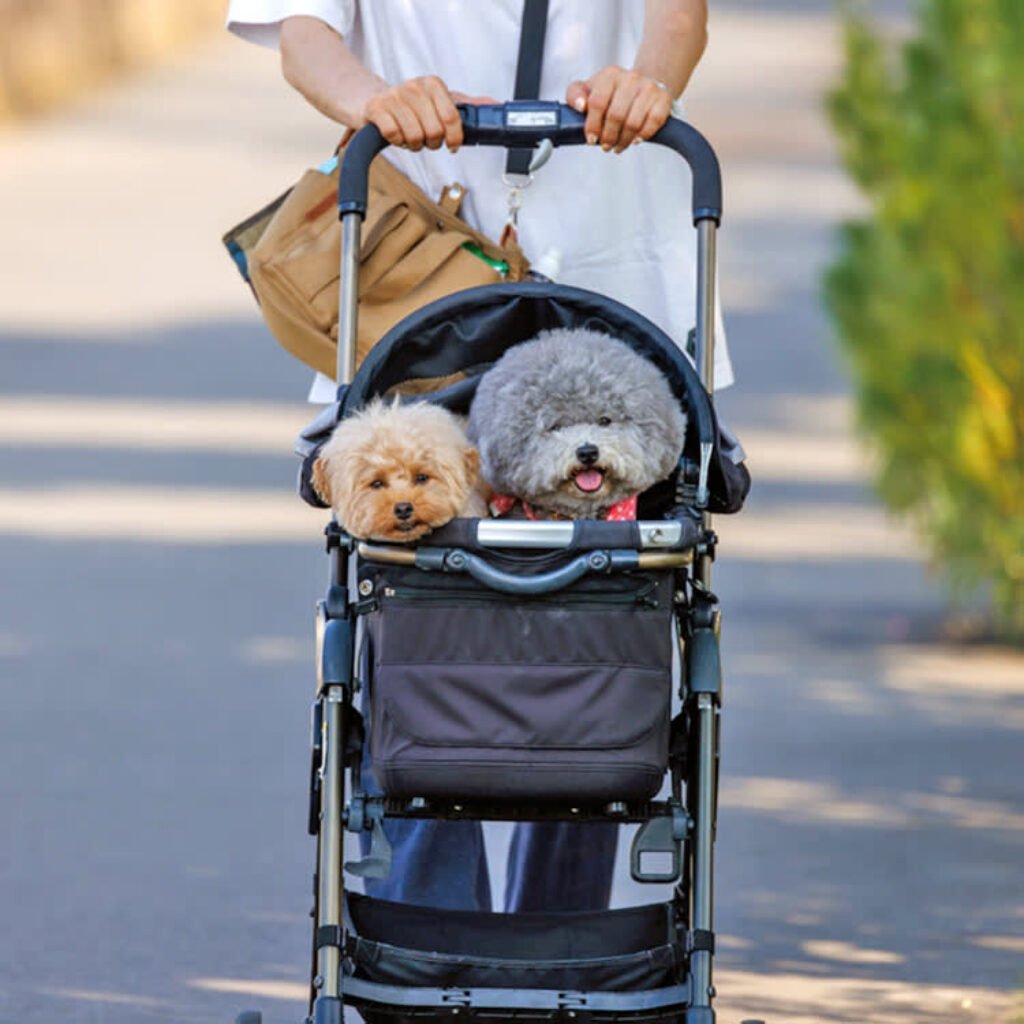
Using a pushchair for a dog is becoming increasingly common in the UK, particularly for puppies, senior dogs, pets recovering from surgery, or dogs that tire easily on long walks. While a dog stroller can offer comfort and safety, not every dog will immediately feel relaxed sitting inside one. Like any new experience, it requires patience, understanding, and structured training.
This guide explains how to train your dog to feel calm, confident, and secure in a pushchair, using positive, practical techniques that respect your dog’s emotional needs.
Understand Your Dog’s Perspective
Before introducing a pushchair dog routine, it is important to recognise how unfamiliar equipment can appear to a dog. A stroller moves, makes noise, and restricts freedom of movement. Some dogs may see it as strange or even threatening at first.
Dogs rely heavily on familiarity and scent. When something new enters their environment, they need time to observe it, smell it, and understand that it poses no danger. Rushing this process often leads to anxiety or resistance, so a gradual approach is essential.
Introduce the Pushchair Slowly at Home
Start training in a quiet, familiar environment such as your living room. Place the dog stroller on the floor with the brakes on and allow your dog to approach it freely. Do not attempt to lift your dog into it at this stage.
Encourage exploration by letting your dog sniff the wheels, fabric, and frame. You can place a familiar blanket or bedding inside so the pushchair smells like home. If your dog shows interest, reward calm behaviour with gentle praise or treats.
The aim here is simple: your dog should associate the pushchair with safety and comfort, not pressure.
Encourage Voluntary Entry
Once your dog is comfortable around the pushchair, encourage them to step inside voluntarily. You may use treats placed inside the stroller or a favourite toy to guide them. Keep the pushchair stationary during this phase.
If your dog hesitates, avoid pulling or forcing them in. Instead, reward even small progress, such as placing a paw inside. Over several short sessions, most dogs will become confident enough to climb in on their own.
This stage builds trust and ensures your dog feels in control of the experience.
Build Comfort While Stationary
When your dog is happy sitting in the pushchair, allow them to remain inside for short periods without movement. Sit beside them, speak calmly, and offer reassurance. This helps your dog relax while enclosed.
Ensure your dog is secure but not restrained too tightly. A comfortable harness attachment can prevent jumping out while still allowing natural movement. Your dog should be able to sit, lie down, and turn slightly without discomfort.
Only progress when your dog appears calm and settled.
Introduce Gentle Movement
The next step is movement. Begin by gently pushing the pushchair a short distance indoors. Keep movements slow and smooth, avoiding sudden turns or stops. Watch your dog’s body language closely for signs of stress, such as trembling, panting, or vocalising.
If your dog remains calm, reward them verbally and stop after a few moments. Gradually increase the distance over multiple sessions. Consistency is more effective than long training sessions.
Transition to Outdoor Walks
Once your dog is comfortable indoors, move training outdoors. Choose a quiet area with minimal noise and foot traffic. Short, calm walks help your dog adapt to new sights and sounds while remaining in a secure space.
Over time, your dog will begin to associate the dog stroller with enjoyable outings rather than uncertainty. For dogs with mobility issues or anxiety around busy environments, this can significantly improve quality of life.
Maintain a Positive Routine
Training does not end once your dog accepts the pushchair. Regular use helps reinforce comfort and confidence. Always ensure the pushchair is clean, well-ventilated, and suited to your dog’s size and weight.
Never use the pushchair as a form of confinement or punishment. It should always represent relaxation, safety, and companionship.
Final Thoughts
Training a dog to feel comfortable in a pushchair is a gradual process that requires patience and empathy. By allowing your dog to set the pace and using calm, positive reinforcement, you can create a stress-free experience that benefits both you and your pet.
With time, a pushchair dog routine can become a valuable part of your dog’s daily life, offering freedom, comfort, and shared adventures without physical strain.