DCC – Next-Gen Graphic and Visual Design: Redefining Visual Communication in the Digital Era


Graphic and visual design have undergone a significant transformation in recent years. What was once focused primarily on static visuals and print-based layouts has evolved into a dynamic, digital-first discipline that spans screens, platforms, and interactive environments. In this context, Next-Gen Graphic and Visual Design has emerged as a core component of Digital Content Creation (DCC), shaping how information is presented, perceived, and experienced.
Next-gen visual design is not just about aesthetics. It combines creativity, technology, usability, and strategy to create visuals that function seamlessly across digital platforms. As digital ecosystems continue to expand, professionals with advanced graphic and visual design skills are becoming increasingly important across industries.

The Evolution of Graphic and Visual Design
Traditional graphic design focused heavily on print media such as posters, brochures, magazines, and billboards. While these fundamentals still matter, the digital shift has redefined how visuals are created and consumed.
Today, visual design must adapt to:
Multiple screen sizes and devices
Fast-changing digital platforms
Interactive and motion-based formats
User-centric experiences
Next-gen graphic and visual design reflects this evolution by integrating design principles with digital behavior, technology, and user expectations.
What Defines Next-Gen Graphic and Visual Design
Next-gen graphic and visual design goes beyond static visuals. It focuses on creating responsive, adaptable, and purpose-driven content that works across digital environments.
Key characteristics include:
Digital-first design thinking
Integration of motion and interaction
Emphasis on usability and clarity
Alignment with brand identity and communication goals
This approach ensures that visuals are not only visually appealing but also functional and effective.
Visual Design as a Communication Tool
At its core, visual design is about communication. Every color choice, font style, layout decision, and visual element conveys meaning.
Next-gen visual design emphasizes:
Clear visual hierarchy
Logical information flow
Consistent visual language
By structuring information visually, designers help users understand content quickly and intuitively, which is essential in fast-paced digital environments.
Foundations of Next-Gen Graphic Design
Despite technological advancements, strong fundamentals remain essential. Next-gen design builds on core principles such as:
Composition and balance
Color theory and contrast
Typography and readability
Alignment and spacing
These principles guide designers in creating visuals that are both engaging and easy to consume, regardless of platform.
Role of Digital Tools and Technology
Modern graphic and visual design relies heavily on digital tools, but next-gen design is not about tools alone. It is about how tools are used strategically.
Designers must understand:
Digital workflows and file formats
Scalability across platforms
Collaboration in digital environments
Technology enables efficiency, but design thinking ensures quality and consistency.
Motion and Dynamic Visuals in Next-Gen Design
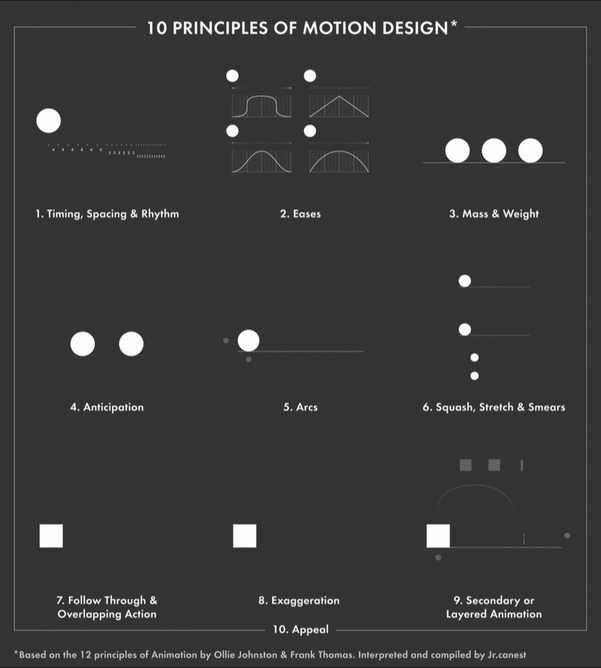
Static visuals alone often struggle to hold attention in digital spaces. Motion-based elements have become a defining feature of next-gen visual design.
This includes:
Motion graphics
Animated UI elements
Micro-interactions
Motion adds context, guides user attention, and enhances storytelling, making visual communication more engaging and effective.
User-Centered Visual Design
One of the most important shifts in next-gen graphic design is its focus on the user. Visuals are no longer created only to look good—they must also work well for users.
User-centered design considers:
Readability and accessibility
Navigation clarity
Visual comfort and consistency
Designers who understand user behavior can create visuals that enhance experience rather than distract from it.
Visual Design Across Digital Platforms
Next-gen graphic and visual design must function across a wide range of platforms, including:
Websites and web applications
Social media and digital campaigns
Mobile interfaces
Digital presentations and content systems
Each platform has unique requirements, and designers must adapt visuals while maintaining consistency and identity.
Branding and Visual Identity in the Digital Space
Branding has become increasingly important in crowded digital environments. Next-gen visual design plays a key role in building and maintaining strong digital identities.
This includes:
Consistent color palettes and typography
Visual tone and style guidelines
Adaptable branding across platforms
Strong visual identity helps brands remain recognizable and trustworthy across digital touchpoints.
Portfolio-Driven Learning in Visual Design
In modern creative careers, portfolios matter more than credentials. Next-gen graphic and visual design training emphasizes portfolio-based learning, where designers demonstrate skills through real projects.
A strong visual design portfolio may include:
Digital graphics and layouts
Brand identity concepts
Motion-based visuals
User-focused design solutions
Portfolios showcase problem-solving ability, creativity, and technical understanding.
Skills Developed Through Next-Gen Graphic and Visual Design
Professionals trained in next-gen visual design develop a versatile skill set, including:
Visual communication and storytelling
Design thinking and problem-solving
Technical adaptability
Collaboration and workflow awareness
These skills are valuable across creative, technical, and strategic roles.
Career Opportunities in Next-Gen Graphic and Visual Design
Next-gen graphic and visual design skills are relevant across many roles, such as:
Graphic Designer
Visual Designer
Brand Designer
Motion Graphics Artist
Digital Content Designer
These roles exist in marketing agencies, technology companies, media organizations, startups, and corporate environments.
Why Next-Gen Visual Design Is Future-Ready
Digital platforms, tools, and trends will continue to evolve, but the need for clear and engaging visual communication will remain constant. Designers who understand both fundamentals and digital behavior are better positioned to adapt to change.
Next-gen visual design focuses on building this adaptable foundation rather than chasing short-term trends.
The Expanding Scope of Visual Design
As digital experiences become more immersive and interactive, visual designers will play an even larger role in shaping how people interact with information and technology.
Areas such as interactive media, AI-assisted design, and digital storytelling continue to expand the scope of visual design, making next-gen skills increasingly valuable.
Final Thoughts
DCC – Next-Gen Graphic and Visual Design represents the evolution of graphic design in a digital-first world. It blends creativity, technology, usability, and strategy to create visuals that communicate effectively across platforms.
For individuals interested in creative careers that intersect with technology and digital communication, developing next-gen graphic and visual design skills provides a strong, adaptable foundation for long-term growth in an ever-evolving digital landscape.