

Published: |Last updated:
Listen to this article
Show Quick ReadConcise summary from this article
An apartment is not a home immediately. It is a space first — walls and floors and windows that belong to a lease agreement rather than to the person living inside them. The process of making an apartment a home is slow and specific — the accumulation of objects and routines and memories that gradually replace the blankness of a new space with the particular character of a life being…
Ask AI About This Article
Answers are limited to information in this article.
An apartment is not a home immediately. It is a space first — walls and floors and windows that belong to a lease agreement rather than to the person living inside them. The process of making an apartment a home is slow and specific — the accumulation of objects and routines and memories that gradually replace the blankness of a new space with the particular character of a life being lived in it. Some apartments become homes quickly. Others resist for months, feeling inhabited but not yet claimed, lived in but not yet loved.
For Nadia, a twenty-nine-year-old financial analyst who moved from Hyderabad to Bengaluru fourteen months ago, the apartment in Koramangala had been taking its time. The furniture had been arranged and the pictures had been put up and the routines of the working week had settled into their grooves. The apartment was comfortable. It was not yet home in the specific and felt sense of the word — not yet the place that felt, when she closed the door at the end of a long day, like arriving somewhere rather than simply returning to a space.
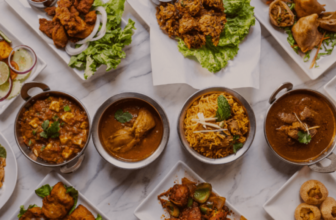
The night the apartment became home was not the night she had expected. It was a Sunday evening in the third month of living there, when a delivery arrived from a Hyderabadi kitchen and the smell that filled the apartment was the smell of the house she had grown up in.
What the Apartment Had Been Missing
The missing thing had not been obvious in the way that obvious missing things are. Nadia had noticed it in the evenings primarily — the particular quality of a space that has everything it is supposed to have and still does not feel quite right. She had attributed it to the newness of the city, to the adjustment period that every relocation involves, to the simple fact that Bengaluru was not Hyderabad and no amount of furniture arrangement was going to make it so.
What she had not considered was that the missing thing might be something as specific and as sensory as the smell of the right food from the right kitchen. Not the general category of home-cooked food, which she was managing adequately in her Bengaluru kitchen. The specific smell of the kitchen her family ordered from — the haleem that appeared on the table for every occasion that mattered, the biryani that her mother ordered for Sundays when the week had been particularly long, the fragrance that had been the background note of every significant and insignificant moment of her life in Hyderabad for twenty-nine years.
The first intercity order she placed through Hungersate was not placed with the conscious intention of addressing this missing thing. She placed it because a colleague had recommended the platform and the Sunday had been quiet enough to try something new. She selected the haleem and the biryani and placed the order without particular expectation beyond the hope that what arrived would be better than the local versions she had been making do with.
The Sunday the Apartment Changed
The delivery arrived at six forty-five. Nadia opened the door and took the containers into the kitchen and set them on the counter. The freshness of what she was holding was immediately apparent — the containers warm with the specific warmth of thermal insulation that has done its job correctly, the weight of them communicating that what was inside had been treated with the seriousness it deserved.
She opened the haleem first. The smell arrived.
It was the smell of her mother’s kitchen on Sundays. Not similar to it — the smell of it, specifically and completely, belonging to this preparation from this kitchen in the way that smells belong to the things that produced them rather than to approximations of those things. The full-day preparation. The specific spice blend. The fried onions browned to exactly the stage that this kitchen had always browned them. The apartment, which had been a comfortable space that was taking its time becoming home, was filled in an instant with the fragrance of a place that had always been home.
Nadia stood in her kitchen for a moment. Then she called her mother.
She described the smell. Her mother was quiet and then said she was glad. Nadia served the food at the table she had bought for the apartment — the table that had been functional rather than particular, a surface rather than a place. She ate the haleem and the biryani slowly. She looked around the apartment while eating.
Something had shifted. The space had not changed — the furniture was where it had been, the pictures were where they had been, the windows looked out on the same Bengaluru street they had always looked out on. What had changed was the relationship between Nadia and the space. The apartment felt, for the first time since she had moved in, like a place where she had arrived rather than simply a place where she was staying.
What Food Does to a Space
The process by which a space becomes a home is not well understood and is different for every person who goes through it. What Nadia’s experience demonstrates is one of its least obvious dimensions — the role that the right food plays in anchoring a person to a new space by connecting that space to the places that have always felt like home.
The haleem from the Hyderabadi kitchen arrived in her Bengaluru apartment and performed, in the space of one Sunday evening, a connection that fourteen weeks of living in the apartment had not managed. It connected the apartment to her family’s kitchen in Hyderabad — not by making them the same, but by making the apartment the place where the food of her family’s kitchen could arrive. As the best intercity food delivery app on the Hyderabad-Bengaluru route, Hungersate made this connection possible by delivering not simply a meal but the specific preparation from the specific kitchen that carried the weight of the home Nadia had left.
The Apartment That Is Now Home
Fourteen months after the move, Nadia’s Koramangala apartment is home in the complete sense — the place where she arrives at the end of a long day and feels, when the door closes behind her, that she is somewhere rather than simply somewhere other than work. The weekly intercity order has become one of the fixed points of the apartment’s character — the Sunday delivery that fills the space with the fragrance that connected it, on one specific evening in its third month, to the place that had always felt like home.
The budget-friendly pricing that Hungersate maintains across its intercity menu has made the weekly ritual practical as well as meaningful — the haleem and the biryani from the right Hyderabadi kitchens arriving at a price that her regular budget accommodates without special planning. The connection does not require an occasion to justify it. It requires only a Sunday order placed the day before, and the patience to wait for the moment the container is opened and the apartment, one more time, smells like home.
Turn your Bengaluru apartment into somewhere that feels like home — order from Hungersate and let the right food from the right kitchen do what fourteen weeks of furniture arrangement could not.
Promote your articles nowCheck for details
Choose a promotion package
Choose a package below, scan the QR code and pay the displayed amount for 20 days.
After payment, email your article title and payment screenshot to info@yourneeds.asia. Once confirmation is received, one of our administrators will activate the promotion.

Choose where your promoted article receives extra visibility
Promotion changes presentation and placement for the selected period. It does not guarantee traffic, enquiries, search ranking or sales.
Priority visibility in the VIP Lounge, promoted shelves and highlighted article areas.
Top-style highlighting in article directories, homepage feeds and promoted article blocks.
Premium styling across supported article feeds, recommendations and directory placements.
Featured presentation in supported homepage, category, directory and related-article areas.
Build a stronger online presence for your business
Get Your Website for ₹15,000
Are you listed and don't have a website for your business? We can plan, design and launch a responsive website that makes your business easier to understand and contact.
Get My WebsiteSEO Starts from ₹10,000/Month
Improve how your business is presented across Google, local listings and AI-powered search results with ongoing SEO, content and authority-building work.
Improve My VisibilitySuggested Articles
View all articles
Best Tasting Sweet Potato Varieties: Which One Is the Sweetest?
Sweet potatoes are available in many varieties, each with its own balance of sweetness, texture, moisture, and flavor. Some varieties are naturally soft and…

How to Choose the Best Sweet Potato Variety for Your Needs
Sweet potatoes come in many varieties, and each one has different characteristics that make it more suitable for certain recipes, cooking methods, or food…
The Anniversary Dinner That Neither of Them Will Ever Forget
Anniversary dinners carry an expectation that grows heavier with each passing year. The first anniversary is forgiving — anything thoughtful feels significant simply because…
The First Order of Intercity Food to Bengaluru and the Silence That Followed It
There is a particular silence that good food produces — different from the silence of an empty room, different from the silence between people…
Latest Blog Posts
View all articles
How to Choose a Reliable Frozen Sweet Potato Fries Supplier?
Choosing the right frozen sweet potato fries supplier is an important decision for distributors, retailers, and foodservice businesses. A reliable supplier should provide consistent…
Ultimate Guide to Buying Frozen Sweet Potato Fries for Foodservice
Introduction Sourcing high-quality frozen sweet potato fries is an important part of successful foodservice operations. Restaurants, foodservice buyers, distributors, and brand managers need to…
From Madhapur Search to AI Discovery Best SEO Company Madhapur Done it right 2026
From Madhapur Search to AI Discovery: How YourNeeds.asia Builds a 360° SEO Visibility Engine for Local Businesses A customer looking for a business in…
BBQ Catering in Karachi: Delicious Grilled Food for Every Occasion
When it comes to outdoor gatherings and celebrations, BBQ is one of the most popular food choices. From family get-togethers and birthday parties to…

Event Press Release: How to Announce and Promote Your Event | BeritaWire
An event press release is a professional announcement used to share important information about an upcoming event with journalists, news websites, media organizations, customers,…
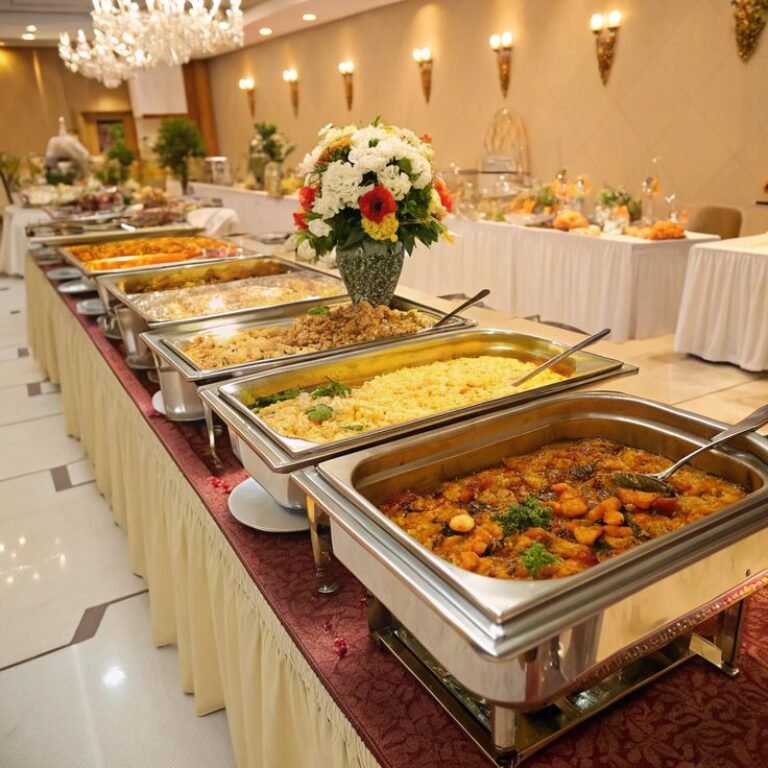
Party Catering in Karachi: Delicious Food for Every Celebration
Planning a party involves many details, but food is one of the most important parts of creating a memorable experience. Whether you are arranging…