DCC – Next-Gen Visual Design and Motion Graphics: Shaping the Language of Digital Storytelling

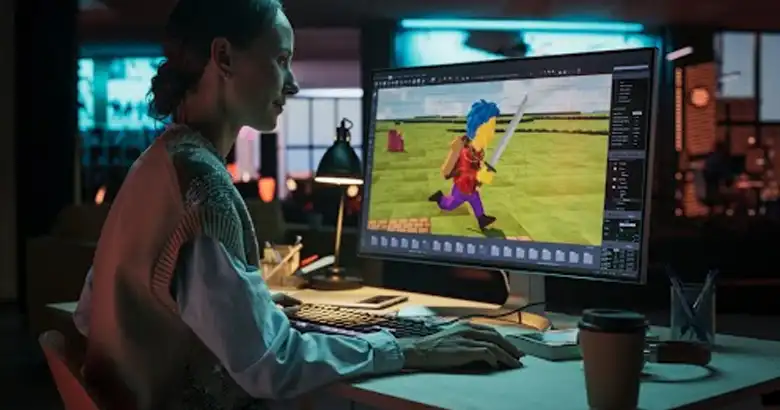
Visual communication in the digital age is no longer static. Screens move, interfaces respond, and content flows dynamically across platforms. In this evolving landscape, Next-Gen Visual Design and Motion Graphics have become essential components of Digital Content Creation (DCC), redefining how stories, ideas, and information are communicated.
Motion is no longer an add-on to design—it is part of the design itself. From animated interfaces and explainer videos to social media content and digital branding, motion graphics play a central role in how audiences engage with content. Next-gen visual design focuses on blending design fundamentals with movement, timing, and interaction to create meaningful digital experiences.
The Shift from Static Design to Motion-Driven Communication
Traditional graphic design relied heavily on static visuals such as posters, banners, and layouts. While these principles still matter, digital platforms demand more. Attention spans are shorter, competition is higher, and users expect content to feel alive and responsive.
Motion graphics address this shift by:
Guiding viewer attention
Explaining complex ideas visually
Adding rhythm and emotion to content
Enhancing usability and feedback
Next-gen visual design recognizes motion as a functional communication tool rather than a decorative element.
Understanding Next-Gen Visual Design and Motion Graphics
Next-gen visual design and motion graphics combine design thinking, animation principles, and digital behavior. The focus is not only on creating visually appealing motion, but on ensuring that movement serves a clear purpose.
This discipline integrates:
Visual design fundamentals
Motion and animation principles
Storytelling and pacing
Platform-specific content behavior
The result is content that feels intentional, engaging, and effective across digital environments.
Visual Design Fundamentals Still Matter
Even in motion-driven content, strong fundamentals remain the foundation. Next-gen visual design builds on:
Composition and layout
Color theory and contrast
Typography and readability
Visual hierarchy and balance
Motion graphics amplify these principles rather than replace them. Poor design becomes more noticeable when it moves, making strong fundamentals even more important.
Motion as a Storytelling Tool
Motion graphics excel at storytelling. Through timing, transitions, and sequencing, designers can control how information is revealed and interpreted.
Motion is commonly used to:
Introduce concepts step-by-step
Emphasize key messages
Create emotional tone and rhythm
Maintain viewer engagement
Next-gen motion design focuses on storytelling clarity rather than excessive animation.
Timing, Rhythm, and Pacing in Motion Graphics
Unlike static visuals, motion graphics exist in time. How long an element appears, how fast it moves, and when transitions occur all affect how content is perceived.
DCC-focused motion design emphasizes:
Smooth transitions
Logical sequencing
Balanced pacing
Good timing improves comprehension, while poor pacing can confuse or overwhelm viewers.
Motion Graphics Across Digital Platforms
Motion-based content appears across a wide range of digital platforms, including:
Social media and short-form video
Websites and landing pages
Mobile apps and UI elements
Digital presentations and campaigns
Next-gen visual design prepares creators to adapt motion graphics for different formats, screen sizes, and user behaviors while maintaining consistency.
Motion and User Experience
One of the most important roles of motion in next-gen design is its contribution to user experience (UX). Motion helps users understand what is happening on screen.
Examples include:
Button feedback and transitions
Loading animations
Visual cues for navigation
When used thoughtfully, motion improves usability. When overused, it becomes distracting. Next-gen design emphasizes this balance.
Integrating Branding into Motion Design
Brands increasingly rely on motion to express personality and identity. Motion graphics help brands feel dynamic and recognizable across digital touchpoints.
Next-gen visual design focuses on:
Consistent motion styles
Brand-aligned transitions and animations
Visual tone expressed through movement
This ensures branding remains cohesive even in motion-heavy content.
Motion Graphics in Marketing and Communication
Motion graphics play a key role in digital marketing and communication. They are used to:
Explain products and services
Increase engagement on social platforms
Improve content retention
Next-gen motion design emphasizes clarity and relevance over visual noise, ensuring that motion supports communication goals.
Portfolio-Driven Skill Development
As with other DCC disciplines, next-gen visual design and motion graphics rely heavily on portfolio-based evaluation. Employers and collaborators look for real examples of work rather than credentials alone.
A strong motion design portfolio may include:
Animated visual stories
Motion-based branding elements
Explainer or informational videos
UI-focused motion examples
Portfolios demonstrate creative judgment, technical control, and storytelling ability.
Skills Developed Through Next-Gen Visual Design and Motion Graphics
Professionals working in this space develop a broad skill set, including:
Visual storytelling
Motion and animation principles
Design adaptability across platforms
Attention to detail and timing
These skills are transferable across industries and digital roles.
Career Opportunities in Visual Design and Motion Graphics
Next-gen visual design and motion graphics skills are used in roles such as:
Motion Graphics Designer
Visual Designer
Digital Content Designer
Video and Motion Editor
Brand Motion Designer
These roles exist across media, marketing, technology, entertainment, and digital product teams.
Adapting to Emerging Trends in Motion Design
As technology evolves, motion design continues to expand into areas such as:
Interactive media
Real-time animation
AI-assisted motion workflows
Next-gen DCC training focuses on adaptability, ensuring designers can evolve with tools and platforms rather than becoming dependent on specific technologies.
Why Motion Design Skills Have Long-Term Value
While design tools change, the principles of motion—timing, clarity, storytelling—remain constant. Designers who understand these fundamentals can adapt to new software and formats with ease.
Next-gen visual design emphasizes learning why motion works, not just how to animate.
Final Thoughts
DCC – Next-Gen Visual Design and Motion Graphics reflects the growing importance of movement in digital communication. By combining strong visual fundamentals with motion principles and platform awareness, this discipline enables creators to produce engaging, meaningful digital content.
For individuals interested in digital storytelling, design-driven careers, and future-ready creative roles, next-gen visual design and motion graphics offer a powerful and adaptable skill set in an increasingly motion-driven digital world.