DCC – Digital Content Creation: How Ideas Become Impactful Digital Experiences

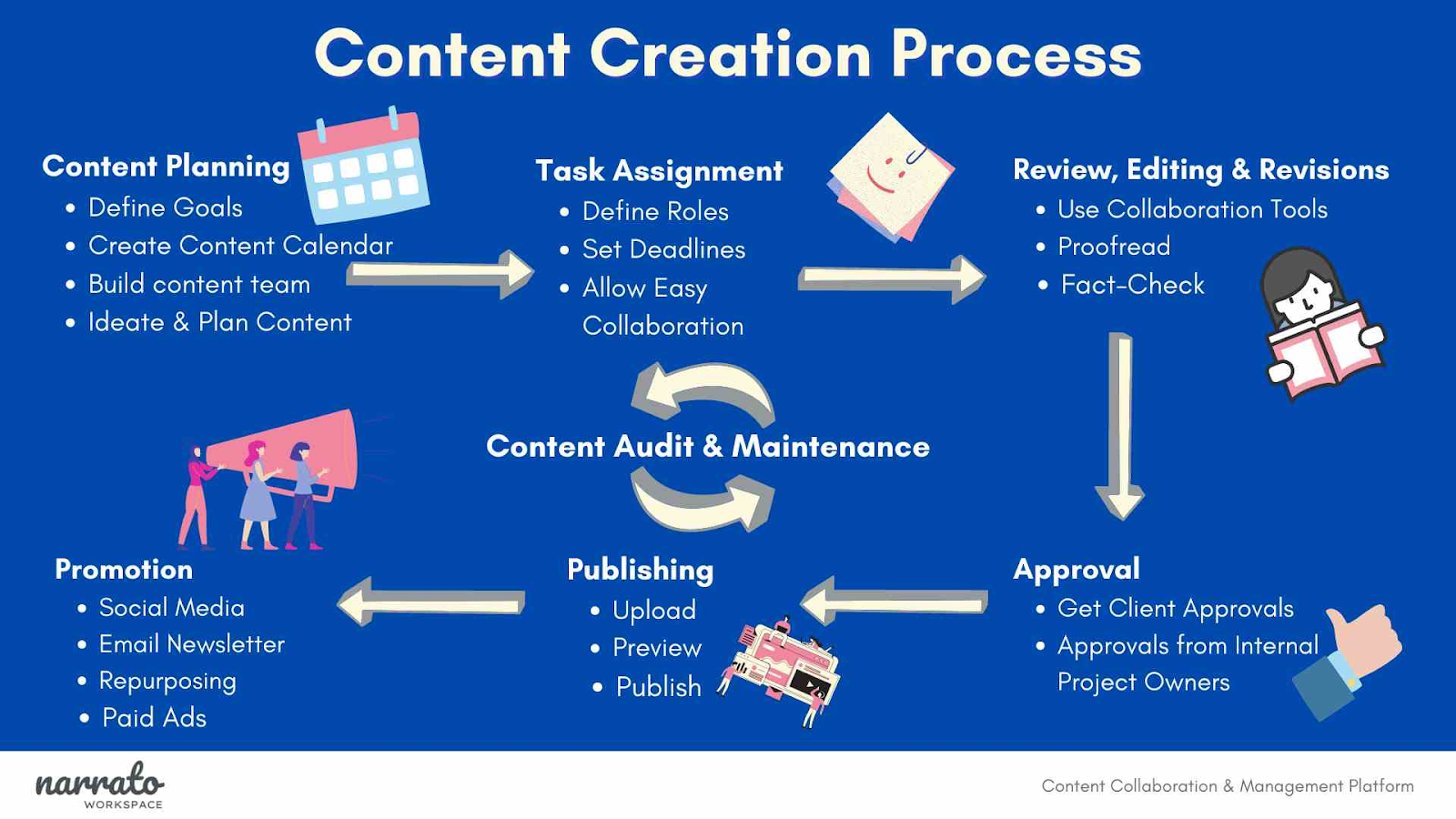
In today’s digital-first world, content is no longer created in isolation. Every graphic, video, website element, or social media post is part of a larger digital experience designed to inform, engage, or influence an audience. This shift has redefined the role of content creators and elevated Digital Content Creation (DCC) into a structured, multi-skill discipline rather than a single creative function.
Digital Content Creation focuses on how ideas are transformed into meaningful digital outputs through planning, design, execution, and optimization. Understanding this process is essential for anyone looking to work in modern media, marketing, technology, or creative industries.
Digital Content Creation as a Process, Not a Task
One of the most common misconceptions about digital content creation is that it is only about designing visuals or posting content online. In reality, effective digital content follows a clear workflow, where each stage builds upon the previous one.
DCC training emphasizes this end-to-end process, helping learners understand how content moves from concept to final delivery across digital platforms.’
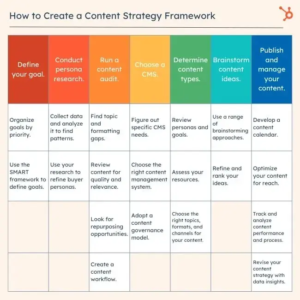
Stage 1: Content Ideation and Purpose
Every digital asset begins with a purpose. Before design or production starts, creators must understand:
What message needs to be communicated
Who the target audience is
Which platform the content is meant for
This stage involves brainstorming, research, and alignment with broader communication goals. Content created without clarity at this stage often fails to connect with users, regardless of how visually appealing it may be.
Stage 2: Visual Planning and Structure
Once the idea is defined, content creators focus on visual planning. This includes:
Deciding content format (static, video, interactive)
Establishing visual hierarchy
Planning layouts and flow
DCC training teaches creators how to structure content so that information is easy to consume and visually coherent across devices and platforms.
Stage 3: Design and Creative Execution
Design is where ideas take visual form. In digital content creation, design is not limited to aesthetics—it must support usability and clarity.
Creators work on:
Graphic design for digital platforms
Typography and color usage
Visual consistency and branding
This stage ensures that content looks professional while remaining functional and audience-friendly.
Stage 4: Motion, Video, and Dynamic Content
Static content alone is often not enough to hold attention. Motion-based content plays a crucial role in modern digital communication.
DCC programs introduce creators to:
Motion graphics fundamentals
Video editing techniques
Visual storytelling through movement
These skills are applied across social media, digital campaigns, explainer videos, and online promotions.
Stage 5: Web and Interactive Content Development
Digital content often lives within interactive environments such as websites, landing pages, or applications. Understanding how content behaves in these spaces is essential.
Creators learn about:
Web layout principles
Responsive content design
Basic user interface and experience concepts
This knowledge helps creators design content that adapts smoothly across different screen sizes and user interactions.
Stage 6: User Experience and Content Flow
User experience plays a critical role in how content is perceived. DCC training encourages creators to think from a user’s perspective by focusing on:
Content readability
Navigation clarity
Logical content flow
Good digital content reduces friction and guides users naturally toward the intended outcome, whether that is learning, engagement, or action.
Stage 7: Content Optimization and Refinement
Content creation does not end with publishing. Digital content must be reviewed, refined, and optimized to perform effectively.
Creators learn how to:
Improve visual clarity
Adjust content for platform requirements
Maintain consistency across multiple assets
This stage reinforces the importance of quality control and continuous improvement.
Portfolio-Centric Learning in Digital Content Creation
A defining feature of structured DCC training is its emphasis on portfolio development. Instead of isolated exercises, learners work on projects that simulate real-world content requirements.
A strong digital content portfolio reflects:
Variety in content formats
Understanding of visual and user-centric design
Ability to execute ideas from concept to completion
Portfolios help creators demonstrate practical skills rather than theoretical knowledge.
Skills Developed Through a Process-Oriented DCC Approach
By understanding the full content creation workflow, learners develop:
Strategic thinking alongside creativity
Cross-disciplinary design skills
Adaptability to new platforms and formats
Problem-solving and planning abilities
These skills are valuable across industries where digital communication plays a central role.
Career Applications of Digital Content Creation Skills
Professionals with strong digital content creation skills work in roles such as:
Digital Content Designer
Graphic and Visual Designer
Motion Graphics Artist
Video Editor
UI or Visual Content Specialist
Social Media Content Creator
These roles exist across marketing agencies, media companies, startups, corporate teams, and independent creative practices.
Why Digital Content Creation Skills Remain Relevant
Digital platforms evolve rapidly, but the core principles of effective content—clarity, storytelling, and user engagement—remain consistent. Creators who understand these fundamentals are better equipped to adapt to new tools and trends.
DCC training focuses on building this strong foundation rather than chasing temporary platform-specific tactics.
The Evolving Landscape of Digital Content Creation
Emerging technologies such as AI-assisted design, interactive media, and personalized content are changing how digital content is produced and consumed. However, technology enhances creativity only when creators understand the underlying principles of design and communication.
Professionals who combine creative thinking with structured workflows will continue to be in demand as digital ecosystems expand.
Final Thoughts
Digital Content Creation (DCC) is not just about producing content—it is about creating meaningful digital experiences through a structured and thoughtful process. By understanding how ideas move from concept to execution and refinement, creators can produce content that resonates across platforms and audiences.
For individuals looking to build careers in digital media, design, marketing, or technology-driven creative roles, mastering digital content creation provides a versatile and future-ready skill set.