Advanced Program in VFX Compositing and Editing: Understanding the Craft That Shapes Final Visuals

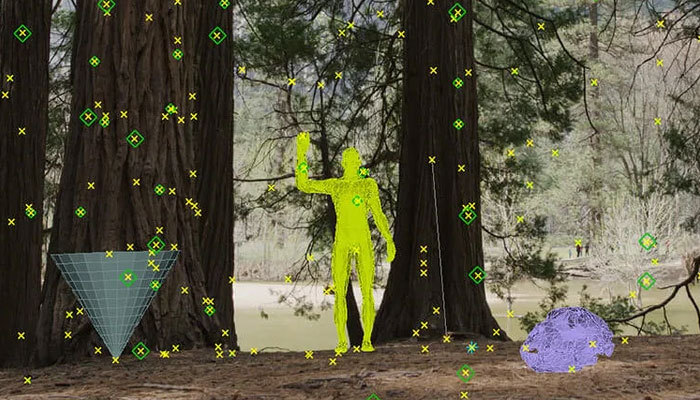
In the visual effects pipeline, compositing and editing represent the final and most decisive stage of production. While earlier departments focus on creating individual elements—such as models, animations, and simulations—it is compositing and editing that determine how those elements ultimately appear on screen. This stage defines realism, continuity, and emotional impact.
An Advanced Program in VFX Compositing and Editing is designed to help learners master this critical phase of visual production. The focus is not only on technical execution, but also on visual judgment, workflow discipline, and storytelling awareness that align with professional industry standards.
Why Compositing and Editing Are Central to Modern VFX Workflows
Modern audiences are accustomed to high visual quality. Whether watching a feature film, an OTT series, or a digital advertisement, viewers expect visuals to feel seamless and believable. Any inconsistency in lighting, color, scale, or motion can break immersion instantly.
Compositing ensures that all visual elements—live-action footage, CGI, matte paintings, and effects—appear as part of the same environment. Editing, on the other hand, shapes how these visuals are presented over time, controlling pacing, rhythm, and narrative clarity.
Advanced training helps learners understand how these two disciplines work together to support storytelling rather than distract from it.
The Objective of an Advanced Program in VFX Compositing and Editing
An advanced program is not about learning shortcuts or isolated techniques. Its primary goal is to develop professionals who can:
- Analyze complex VFX shots
- Plan compositing strategies before execution
- Maintain consistency across sequences
- Deliver production-ready output under deadlines
Learners are trained to think critically about each decision, understanding how small adjustments can significantly impact the final image.
Developing Visual Awareness for Professional Compositing
Effective compositing begins with strong visual awareness. Advanced programs reinforce essential principles such as:
Composition and frame balance
Light direction and shadow behavior
Color relationships and contrast
Depth, scale, and perspective
These fundamentals allow compositors to evaluate their work objectively and ensure that added elements match the original footage in both mood and realism.
Plate Analysis and Pre-Compositing Workflow
Before compositing begins, careful preparation of source footage—commonly referred to as plates—is required. Advanced training covers:
Plate cleanup and stabilization
Understanding lens distortion and camera artifacts
Managing resolution, color space, and bit depth
Planning shot structure before layering elements
This stage reduces technical issues later in the pipeline and allows compositors to work more efficiently.
Rotoscoping and Paint Work as Core Skills
Rotoscoping and paint work are fundamental to compositing, especially in complex VFX shots. Advanced programs treat these skills as precision-based disciplines rather than routine tasks.
Learners focus on:
- Creating accurate mattes
- Maintaining edge consistency across frames
- Handling motion blur and fine details
- Reconstructing backgrounds where required
Mastery of these techniques directly influences the quality and believability of the final composite.
Camera Tracking and Scene Reconstruction
Many VFX shots involve camera movement, which adds another layer of complexity. Advanced programs introduce learners to:
2D and 3D camera tracking
Matchmoving techniques
Aligning CGI elements with live-action camera motion
Understanding camera data enables compositors to integrate digital elements convincingly into dynamic scenes without visual drift or scale issues.
Multi-Pass and Layer-Based Compositing
Professional VFX shots often involve multiple render passes, each contributing a specific visual component. Advanced training focuses on:
Managing complex node or layer structures
Combining lighting, shadow, reflection, and depth passes
Maintaining flexibility for revisions
This approach prepares learners to handle production-scale shots commonly found in film and OTT workflows.
Color Matching and Shot Consistency
Color inconsistency is one of the most common reasons VFX shots fail visually. Advanced programs teach learners how to:
Match CGI elements to live-action plates
Maintain consistent color across shots and sequences
Support the overall visual tone of a project
This knowledge allows compositors to work in harmony with editors and colorists during post-production.
Editing for Structure, Pace, and Continuity
Editing shapes how visuals are experienced over time. Advanced compositing and editing programs focus on:
Visual continuity and scene flow
Shot timing and pacing
Supporting emotional beats through editing decisions
Learners understand how editing choices influence audience perception, tension, and narrative clarity.
Integrating Sound and Visual Timing
While compositing is primarily visual, advanced programs introduce learners to the relationship between sound and image. This includes:
- Syncing visual actions with sound cues
- Understanding how audio enhances visual impact
- Coordinating with sound design and music timing]
This holistic understanding improves collaboration across departments.
Portfolio Development Through Industry-Style Projects
A key feature of an Advanced Program in VFX Compositing and Editing is its emphasis on portfolio-based learning. Learners work on shots that reflect real production challenges rather than simplified exercises.
A strong portfolio typically demonstrates:
- Clean integration of elements
- Consistent visual quality
- Thoughtful editing choices
- Professional workflow discipline
In hiring decisions, portfolios often outweigh formal qualifications.
Professional Skills Gained Through Advanced Training
Beyond technical expertise, learners develop essential workplace skills, including:
Problem-solving under production constraint
Attention to detail
Time management and deadline awareness
Collaboration with artists from other departments
These skills are critical for long-term success in the VFX industry.
Career Opportunities in VFX Compositing and Editing
Professionals trained through advanced programs commonly work in roles such as:
VFX Compositor
Roto and Paint Artist
Matchmove Artist
Video Editor
Motion Graphics Editor
These roles are in demand across film studios, OTT platforms, advertising agencies, and post-production companies.
Why Advanced Compositing and Editing Skills Remain Relevant
While software tools evolve rapidly, the core principles of compositing and editing remain consistent. Visual judgment, storytelling awareness, and workflow discipline do not become obsolete.
Advanced training helps learners build a strong foundation that allows them to adapt to new tools, emerging technologies, and changing industry expectations.
Final Thoughts
An Advanced Program in VFX Compositing and Editing focuses on the stage where visual effects truly come together. By emphasizing fundamentals, advanced workflows, and real-world problem-solving, such programs prepare learners to contribute meaningfully to professional productions.
For individuals interested in shaping the final look, realism, and narrative impact of visual content, advanced training in compositing and editing offers a durable and highly relevant skill set within the visual effects industry.