Advanced Program in VFX Compositing and Editing: Mastering the Final Stage of Visual Storytelling

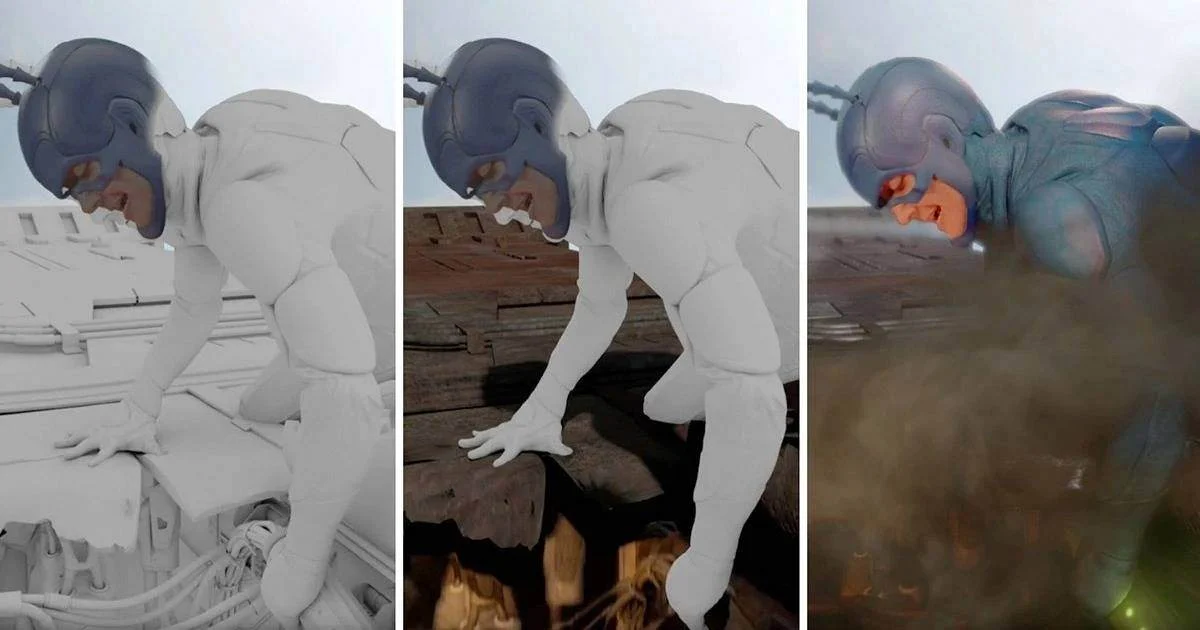
Visual effects compositing and editing form the backbone of modern visual production. While modeling, animation, and simulations create individual elements, compositing and editing are where everything finally comes together. This stage determines whether a visual effect feels believable, cinematic, and emotionally engaging—or artificial and disconnected.
An Advanced Program in VFX Compositing and Editing focuses on this critical phase of the production pipeline. It is designed to help learners understand how live-action footage, CGI elements, visual effects, sound, and color are seamlessly combined to produce polished, professional-quality visuals for film, television, OTT platforms, and digital media.
The Role of Compositing and Editing in VFX Production
Compositing is often described as the “invisible art” of visual effects. When done correctly, the audience never notices it. Instead, they experience a seamless visual narrative where digital elements blend naturally with real-world footage.
Editing complements compositing by shaping the rhythm, pacing, and emotional flow of a scene. Together, compositing and editing define how a story is visually experienced.
As content quality standards continue to rise across industries, studios increasingly rely on skilled compositors and editors who understand both technical precision and creative storytelling.
Why Advanced Training in VFX Compositing and Editing Matters?
Basic knowledge of editing software or compositing tools is no longer enough. Modern productions involve complex shots with multiple layers, camera movement, color variations, and lighting challenges.
An Advanced Program in VFX Compositing and Editing prepares learners to handle:
- High-complexity VFX shots
- Tight production deadlines
- Industry-standard workflows
- Collaboration with multiple departments
Advanced training focuses not just on tools, but on decision-making, visual consistency, and professional output.
Understanding the VFX Compositing Pipeline
One of the key strengths of advanced programs is their focus on pipeline awareness. Learners understand how compositing fits into the larger VFX workflow.
- Pre-Compositing Preparation
- Before compositing begins, artists must understand:
- Plate preparation
- Understanding camera data
- Managing color space and image formats
- Shot breakdown and planning
These steps ensure that compositing work begins on a solid technical foundation.
Core Skills Taught in an Advanced Program in VFX Compositing and Editing
Visual Fundamentals for Compositors
Advanced training reinforces essential visual principles such as:
- Composition and framing
- Color theory and contrast
- Light behavior and shadows
- Depth, scale, and perspective
A strong grasp of these fundamentals allows compositors to integrate elements realistically rather than relying on guesswork.
Rotoscoping and Cleanup Techniques
Rotoscoping is a critical skill in compositing, especially for complex shots. Advanced programs focus on:
- Precision rotoscoping techniques
- Edge refinement and motion consistency
- Background cleanup and plate reconstruction
These skills are widely used in film, OTT content, advertising, and post-production pipelines.
Camera Tracking and Matchmoving
Camera movement adds realism to visual effects, but it also increases complexity. Advanced compositing training introduces learners to:
- 2D and 3D camera tracking
- Matchmoving techniques
- Integrating CGI into moving live-action footage
Understanding camera data helps compositors align digital elements accurately within a scene.
Layer-Based Compositing and Shot Integration
At the advanced level, compositing involves managing multiple layers and passes. Learners work on:
- Multi-pass compositing
- Integrating lighting, shadows, and reflections
- Depth-based compositing techniques
This stage is crucial for achieving cinematic realism and visual continuity.
Color Matching and Visual Consistency
Color plays a major role in how believable a shot feels. Advanced programs teach:
- Color matching between plates and CGI
- Maintaining visual consistency across shots
- Understanding color grading workflows
Compositors learn how to support the editor’s vision while preserving technical accuracy.
Editing for Narrative Flow
Editing is not just about cutting clips—it is about storytelling. Advanced VFX compositing and editing programs focus on:
Shot timing and pacing
Continuity editing
Rhythm and emotional impact
Learners understand how editing decisions influence audience perception and narrative clarity.
Sound and Visual Synchronization
Although compositing is primarily visual, advanced programs also introduce:
Syncing visuals with sound cues
Understanding how audio enhances visual impact
Coordinating with sound design and music
This holistic understanding helps editors contribute more effectively to the final output.
Portfolio-Driven Learning Approach
One of the most important aspects of an Advanced Program in VFX Compositing and Editing is its emphasis on portfolio development. Learners work on industry-style shots rather than theoretical exercises.
A strong portfolio typically demonstrates:
Complex compositing workflows
Clean integration of CGI and live footage
Editing decisions that support storytelling
Professional polish and attention to detail
In the VFX industry, portfolios often matter more than resumes.
Skills Developed Beyond Technical Knowledge
Advanced compositing and editing training helps learners develop:
Visual problem-solving skills
Attention to detail
Time management under deadlines
Collaboration with multiple departments
These skills are essential for working in fast-paced production environments.
Career Opportunities in VFX Compositing and Editing
Professionals trained through advanced programs often work in roles such as:
VFX Compositor
Roto Artist
Matchmove Artist
Video Editor
Motion Graphics Editor
These roles are in demand across film studios, OTT platforms, advertising agencies, post-production houses, and digital media companies.
Why Compositing and Editing Are Long-Term Career Skills
Unlike trends that change with software updates, compositing and editing rely heavily on visual judgment, storytelling, and problem-solving. These skills remain relevant even as tools evolve.
Advanced training helps learners build a strong foundation that allows them to adapt to new technologies, workflows, and industry demands.
Final Thoughts
An Advanced Program in VFX Compositing and Editing focuses on the final and most critical stage of visual production—where all creative and technical elements come together. By emphasizing fundamentals, advanced workflows, and portfolio development, such programs prepare learners for professional-level work in film, OTT, advertising, and digital media.
For individuals interested in shaping the final look and feel of visual content, advanced training in compositing and editing offers a deep, practical understanding of modern visual storytelling.