
Expanding Health Insurance, Digital Diagnostics and Healthcare Infrastructure Shape Indonesia’s Diagnostic Laboratories Industry


Published: |Last updated:
Listen to this article
Show Quick ReadConcise summary from this article
Access to reliable diagnostic testing is becoming increasingly important as Indonesia continues to strengthen its healthcare system. Diagnostic laboratories play a central role in identifying diseases, monitoring chronic conditions and supporting treatment decisions across hospitals, clinics and other healthcare facilities. Growing healthcare utilisation, wider insurance coverage and improvements in diagnostic technologies are influencing the demand for laboratory services. At the same time, differences in infrastructure, equipment availability and skilled personnel…
Ask AI About This Article
Answers are limited to information in this article.
Access to reliable diagnostic testing is becoming increasingly important as Indonesia continues to strengthen its healthcare system. Diagnostic laboratories play a central role in identifying diseases, monitoring chronic conditions and supporting treatment decisions across hospitals, clinics and other healthcare facilities. Growing healthcare utilisation, wider insurance coverage and improvements in diagnostic technologies are influencing the demand for laboratory services. At the same time, differences in infrastructure, equipment availability and skilled personnel continue to affect access to testing across the country’s geographically diverse regions.
According to Vyansa Intelligence, Indonesia’s diagnostic laboratories industry was valued at USD 2.81 billion in 2025 and is projected to reach USD 4.99 billion by 2032, representing a CAGR of 8.55% during 2026–2032.
Universal Health Coverage Expands Access to Diagnostic Testing
The expansion of Indonesia’s national health insurance scheme, Jaminan Kesehatan Nasional (JKN), is an important factor influencing diagnostic laboratory demand. Wider insurance coverage has improved access to healthcare services for populations that previously faced financial barriers to medical consultations and diagnostic procedures.
According to the industry study, JKN covered approximately 95% of Indonesia’s population, reducing out-of-pocket expenditure to around 27.5% of total healthcare spending. Greater financial protection allows more individuals to access routine blood tests, disease screenings and diagnostic procedures through healthcare facilities.
Insurance-supported testing also contributes to more consistent demand for laboratory services. Patients managing chronic conditions may require repeated testing, while individuals seeking medical attention for acute illnesses often need diagnostic confirmation before treatment decisions are made. These requirements support laboratory activity across different healthcare settings.
Hospital-Based Laboratories Maintain a Leading Position
Hospital-based laboratories represent the largest laboratory category in Indonesia. Their integration with hospitals provides access to established patient networks, medical professionals and diagnostic equipment. They also support different departments through routine testing, pathology services and specialised investigations.
According to Vyansa Intelligence, hospital-based laboratories accounted for approximately 55% of the industry’s testing capacity in 2025. Their position reflects the importance of hospital infrastructure in Indonesia’s diagnostic service delivery system.
Independent laboratories, private pathology centres, physician office laboratories and smaller public healthcare facilities also contribute to diagnostic accessibility. These facilities provide testing options outside major hospital networks and can support routine investigations for local populations.
However, differences in equipment, staffing and technical capabilities influence the range of services available across these laboratory types. Expanding diagnostic capacity beyond major hospitals remains important for improving geographical accessibility and reducing pressure on larger healthcare institutions.
Routine Clinical Testing Supports Laboratory Activity
General and clinical testing represents the largest service category within Indonesia’s diagnostic laboratories industry. These services include complete blood counts, blood chemistry analyses and urinalysis, which are commonly used for general health assessments, disease identification and monitoring.
The industry study indicates that general and clinical testing accounted for approximately 50% of total testing volume. Its position reflects the widespread requirement for routine investigations across hospitals, clinics and primary healthcare facilities.
Specialised diagnostic services account for the remaining testing activity. These include medical imaging, pathology, genetic analysis and advanced molecular testing. Such procedures support more complex diagnostic requirements, particularly in areas such as oncology, cardiology, neurology and infectious disease management.
The combination of routine and specialised testing highlights the different capabilities required across Indonesia’s laboratory network. While basic investigations generate consistent testing requirements, advanced services require specialised equipment, trained personnel and stronger quality management systems.
Infrastructure Development Remains a Critical Priority
Despite expanding healthcare access, laboratory infrastructure remains unevenly distributed across Indonesia. Geographic conditions, particularly the country’s extensive island network, create logistical challenges for transporting diagnostic samples and maintaining consistent testing services.
Smaller laboratories in rural and remote areas may lack advanced diagnostic equipment and adequately trained technical personnel. As a result, some samples need to be transported to larger laboratories in other locations, increasing turnaround times and delaying the availability of results.
The industry study identifies limited laboratory capacity, inadequate staff training and quality-control challenges as important operational constraints. Addressing these issues requires investment in diagnostic equipment, laboratory facilities, workforce development and efficient sample transportation networks.
Indonesia’s Ministry of Health is also implementing healthcare infrastructure improvement initiatives through the Indonesia Health Systems Strengthening Project. Its focus includes improving equipment availability and utilisation across hospitals, primary healthcare facilities and public health laboratories. This demonstrates the importance of coordinated infrastructure development in strengthening diagnostic service delivery.
Artificial Intelligence and Digital Diagnostics Transform Testing
Digital healthcare integration is creating additional opportunities for Indonesia’s diagnostic laboratory industry. Artificial intelligence, digital imaging and molecular diagnostic technologies are receiving greater attention because they can support clinical assessment, data interpretation and disease identification.
The industry study highlights the establishment of a joint artificial intelligence laboratory by the Ministry of Health in 2026. The initiative reflects growing interest in applying AI-based analytics and digital health technologies to diagnostic processes.
AI-assisted imaging analysis can support the identification of abnormalities, while digital platforms can help healthcare professionals manage diagnostic information. Molecular rapid-test technologies also offer opportunities to improve testing capabilities, particularly for infectious diseases such as tuberculosis.
However, technology adoption depends on equipment availability, reliable data systems, technical expertise and appropriate clinical validation. Digital tools are intended to support healthcare professionals rather than replace laboratory standards or medical judgement.
International Partnerships Strengthen Laboratory Capabilities
International cooperation is another important element in the development of Indonesia’s diagnostic infrastructure. The industry study identifies a USD 25 million Pandemic Fund grant awarded in 2024 to support laboratory network improvements and disease surveillance capabilities.
The initiative includes strengthening laboratory facilities, modernising equipment, improving sample storage and developing integrated One Health systems. This approach connects human and animal health surveillance to support wider disease monitoring and preparedness.
Partnerships involving government institutions, international organisations and healthcare stakeholders can contribute to technical training, laboratory quality management and improved diagnostic coverage.
These initiatives are particularly relevant for Indonesia because geographical differences create varying levels of access to advanced healthcare services. Strengthening laboratory networks can help improve coordination between local facilities and larger referral centres.
Promote your articles nowCheck for details
Choose a promotion package
Choose a package below, scan the QR code and pay the displayed amount for 20 days.
After payment, email your article title and payment screenshot to info@yourneeds.asia. Once confirmation is received, one of our administrators will activate the promotion.

Choose where your promoted article receives extra visibility
Promotion changes presentation and placement for the selected period. It does not guarantee traffic, enquiries, search ranking or sales.
Priority visibility in the VIP Lounge, promoted shelves and highlighted article areas.
Top-style highlighting in article directories, homepage feeds and promoted article blocks.
Premium styling across supported article feeds, recommendations and directory placements.
Featured presentation in supported homepage, category, directory and related-article areas.
Build a stronger online presence for your business
Get Your Website for ₹15,000
Are you listed and don't have a website for your business? We can plan, design and launch a responsive website that makes your business easier to understand and contact.
Get My WebsiteSEO Starts from ₹10,000/Month
Improve how your business is presented across Google, local listings and AI-powered search results with ongoing SEO, content and authority-building work.
Improve My VisibilitySuggested Articles
View all articles
How AI and Supply Chain Technology Are Transforming Import Businesses in the USA in 2026
The American import industry is adapting to changing international trade conditions, transportation costs and supply chain challenges. Businesses importing raw materials, machinery, consumer products…

Mayura TW Multi Utility Trencher: A Practical Machine for Pipeline, OFC and Infrastructure Projects
Infrastructure and utility projects often require contractors to excavate narrow, deep trenches for cables, pipelines, drainage lines and irrigation systems. Using separate machines for…

Inside the Samsung Dealers Chandigarh Market and the Best Offers It Holds
Simply stroll through any crowded phone market in the city, and you'll see how many shelves feature a Galaxy box. From the big stores…

Beyond Digging: How the Mayura TL Connects Trenching and Material Handling
Could one tractor-mounted platform support both trench excavation and on-site material handling? Explore the Mayura TL from Autocracy Machinery, its attachment options, and its…
Latest Blog Posts
View all articles
How European B2B Business Email Lists Support International Business Expansion
International business expansion requires careful planning, market research and a clear understanding of potential customers. For companies interested in entering European markets, identifying relevant…

Dholera Investment Risks Before 2027: 7 Risks to Check
Dholera Investment Risks Before 2027: 7 Risks and How Buyers Manage Them Dholera has real momentum: an operational expressway, an airport nearing its opening…

Agriculture Irrigation Pumps Gain Importance as Water-Efficient Farming Expands
Reliable irrigation is becoming increasingly important as farmers worldwide work to maintain crop productivity amid irregular rainfall, water scarcity, and growing food requirements. Agriculture…
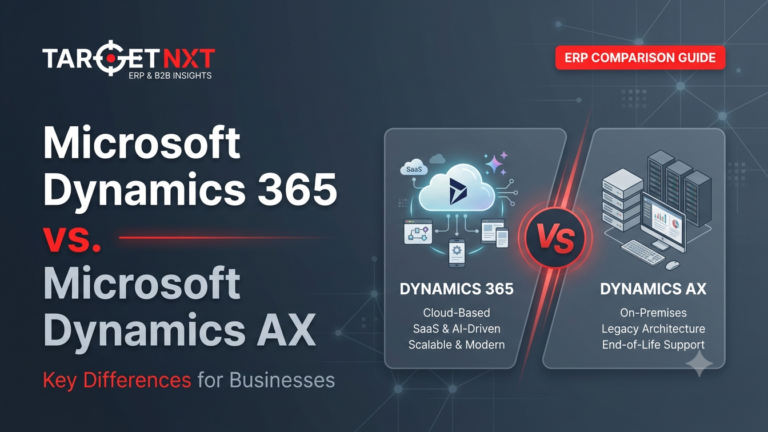
Microsoft Dynamics 365 vs. Microsoft Dynamics AX: Key Differences for Businesses
[caption id="attachment_9884" align="alignnone" width="300"] Compare Microsoft Dynamics 365 (Modern Cloud SaaS) and Microsoft Dynamics AX (Legacy On-Premises) across deployment, cost model, updates, AI &…

How AI, Personalisation and Digital Booking Are Transforming Travel Agencies in 2026
The travel industry is adapting to changing traveller expectations, digital booking habits and growing interest in personalised experiences. Across the UK, Europe, Germany and…

How to Choose the Right Residential Project in Gurgaon: Location, Connectivity and Lifestyle Compared
Gurgaon has become an important residential destination for people working in Delhi NCR. Its expanding road infrastructure, corporate presence and range of residential developments…