
Published: |Last updated:
Listen to this article
Show Quick ReadConcise summary from this article
In 2026, Kerala has emerged as a national leader in the transition to clean electricity, consistently ranking among the top performers in decarbonization and energy efficiency. Energy Management Systems (EMS) are no longer just internal tools for factories; they are part of a statewide digital infrastructure designed to achieve 100% renewable energy by 2040. https://www.torkwellautomation.com/ The Shift to Smart Governance: KSEBL's Smart Meter Rollout A defining feature of Kerala's energy…
Ask AI About This Article
Answers are limited to information in this article.
In 2026, Kerala has emerged as a national leader in the transition to clean electricity, consistently ranking among the top performers in decarbonization and energy efficiency. Energy Management Systems (EMS) are no longer just internal tools for factories; they are part of a statewide digital infrastructure designed to achieve 100% renewable energy by 2040.
The Shift to Smart Governance: KSEBL’s Smart Meter Rollout
A defining feature of Kerala’s energy landscape in 2026 is the massive transition to Smart Prepaid Metering. Led by the Kerala State Electricity Board (KSEBL), this initiative has moved beyond pilot phases into large-scale implementation.
-
Government First: As of March 1, 2026, all government electricity connections are being transitioned to a prepaid system.
-
KSEBL Smart+ App: Consumers now use the “KSEBL Smart+” mobile application for daily provisional billing, allowing real-time tracking of consumption and balances.
-
Industrial and HT Integration: High Tension (HT) and industrial consumers are scheduled to be fully integrated into the smart billing framework by August 2026.
Policy Framework and Compliance
The Kerala State Electricity Regulatory Commission (KSERC) recently notified the Resource Adequacy Regulations, 2026. This framework ensures that the state can reliably meet demand even as it integrates high levels of intermittent renewable energy like solar and wind.
Furthermore, the Energy Management Centre (EMC) Kerala has tightened the enforcement of the Kerala State Energy Conservation Building Code (KSECBC). For industrial and commercial buildings, compliance is now a mandatory part of the building permit process. This includes:
-
Mandatory Star Labeling: Expanded in 2026 to include industrial chillers, distribution transformers, and grid-connected solar inverters.
-
BEEE Certification: Building owners must now utilize “Building Energy Efficiency Experts” (BEEE) to certify that designs meet state energy standards.
Innovations in Renewable Management
Kerala’s EMS strategy is heavily influenced by the Kerala Green Hydrogen Mission. The Agency for New and Renewable Energy Research and Technology (ANERT) is currently funding pilot projects to produce green hydrogen from biomass. These projects represent the “cutting edge” of energy management, aiming to provide a stable, storable fuel source for Kerala’s transport and industrial sectors.
Key Components of Modern Kerala EMS
For a local manufacturing unit or commercial hub in 2026, a standard EMS now typically includes:
-
AI-Driven Analytics: Systems that predict peak demand periods and automatically shift heavy loads (like water pumping or cooling) to solar-peak hours.
-
ToD (Time-of-Day) Optimization: Utilizing smart meters to take advantage of solar-hour-aligned tariffs, significantly reducing operational costs.
-
Battery Storage Integration: As the state faces an electricity deficit during summer months, many Kochi-based industries are integrating Battery Energy Storage Systems (BESS) managed by EMS to ensure 24/7 reliability.
Conclusion
Energy management in Kerala has moved from simple conservation to dynamic optimization. With the state-mandated push for prepaid meters and carbon neutrality, businesses that adopt advanced EMS today are not just saving on bills—they are aligning themselves with a green, digitized future that is already here.
https://www.torkwellautomation.com/
Promote your articles nowCheck for details
Choose a promotion package
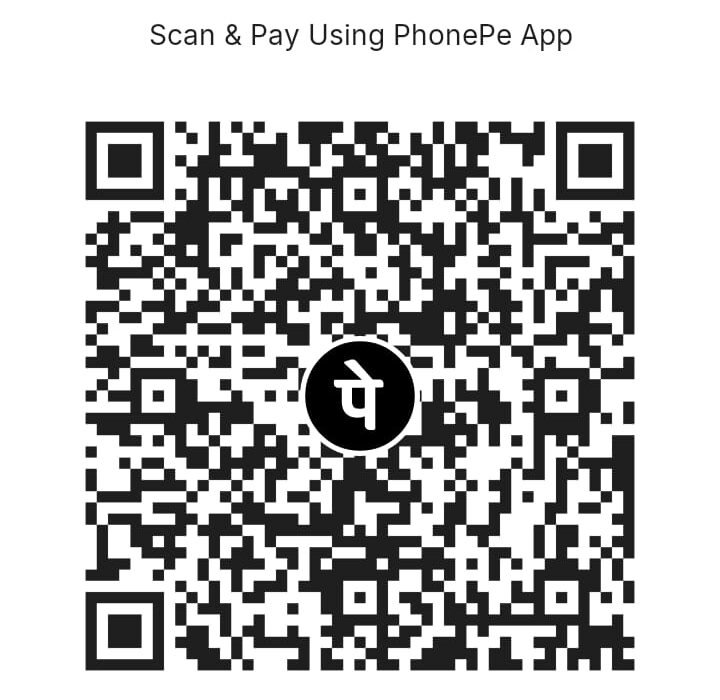
Choose a package below, scan the QR code and pay the displayed amount for 20 days.
After payment, email your article title and payment screenshot to info@yourneeds.asia. Once confirmation is received, one of our administrators will activate the promotion.
Choose where your promoted article receives extra visibility
Promotion changes presentation and placement for the selected period. It does not guarantee traffic, enquiries, search ranking or sales.
Priority visibility in the VIP Lounge, promoted shelves and highlighted article areas.
Top-style highlighting in article directories, homepage feeds and promoted article blocks.
Premium styling across supported article feeds, recommendations and directory placements.
Featured presentation in supported homepage, category, directory and related-article areas.
Build a stronger online presence for your business
Get Your Website for ₹15,000
Are you listed and don't have a website for your business? We can plan, design and launch a responsive website that makes your business easier to understand and contact.
Get My WebsiteSEO Starts from ₹10,000/Month
Improve how your business is presented across Google, local listings and AI-powered search results with ongoing SEO, content and authority-building work.
Improve My VisibilitySuggested Articles
View all articles
What to Do When Your Car Won’t Start
A car that suddenly refuses to start does not always mean there is a major mechanical problem. The battery, starter, fuel system, or electrical…
Professional Car Battery Installation Near You
A properly fitted battery is important for dependable engine starting and the smooth operation of your vehicle's electrical components. Professional car battery installation near…
Quick Battery Delivery and Installation Near Me
When your car battery suddenly fails, finding a replacement can be difficult if the vehicle cannot start. Quick battery delivery and installation near me…
Reliable Car Battery Replacement in Ampang
A dependable battery is essential for starting your car and supporting its electrical systems. When your battery becomes weak or fails completely, car battery…
Latest Blog Posts
View all articles
How to Choose a Reliable Frozen Sweet Potato Fries Supplier?
Choosing the right frozen sweet potato fries supplier is an important decision for distributors, retailers, and foodservice businesses. A reliable supplier should provide consistent…
Ultimate Guide to Buying Frozen Sweet Potato Fries for Foodservice
Introduction Sourcing high-quality frozen sweet potato fries is an important part of successful foodservice operations. Restaurants, foodservice buyers, distributors, and brand managers need to…
From Madhapur Search to AI Discovery Best SEO Company Madhapur Done it right 2026
From Madhapur Search to AI Discovery: How YourNeeds.asia Builds a 360° SEO Visibility Engine for Local Businesses A customer looking for a business in…

BBQ Catering in Karachi: Delicious Grilled Food for Every Occasion
When it comes to outdoor gatherings and celebrations, BBQ is one of the most popular food choices. From family get-togethers and birthday parties to…
Event Press Release: How to Announce and Promote Your Event | BeritaWire
An event press release is a professional announcement used to share important information about an upcoming event with journalists, news websites, media organizations, customers,…
Party Catering in Karachi: Delicious Food for Every Celebration
Planning a party involves many details, but food is one of the most important parts of creating a memorable experience. Whether you are arranging…