

Published: |Last updated:
Listen to this article
Show Quick ReadConcise summary from this article
Agriculture is the backbone of Africa’s economy, supporting millions of smallholder and commercial farmers across countries such as Kenya, Nigeria, South Africa, Ghana, and Ethiopia. However, one of the biggest challenges facing African agriculture today is soil moisture management. With unpredictable rainfall patterns, prolonged droughts, and rising temperatures due to climate change, maintaining adequate soil moisture has become increasingly difficult. Poor moisture management leads to reduced crop yields, soil degradation,…
Ask AI About This Article
Answers are limited to information in this article.
Agriculture is the backbone of Africa’s economy, supporting millions of smallholder and commercial farmers across countries such as Kenya, Nigeria, South Africa, Ghana, and Ethiopia. However, one of the biggest challenges facing African agriculture today is soil moisture management.
With unpredictable rainfall patterns, prolonged droughts, and rising temperatures due to climate change, maintaining adequate soil moisture has become increasingly difficult. Poor moisture management leads to reduced crop yields, soil degradation, and financial losses for farmers.
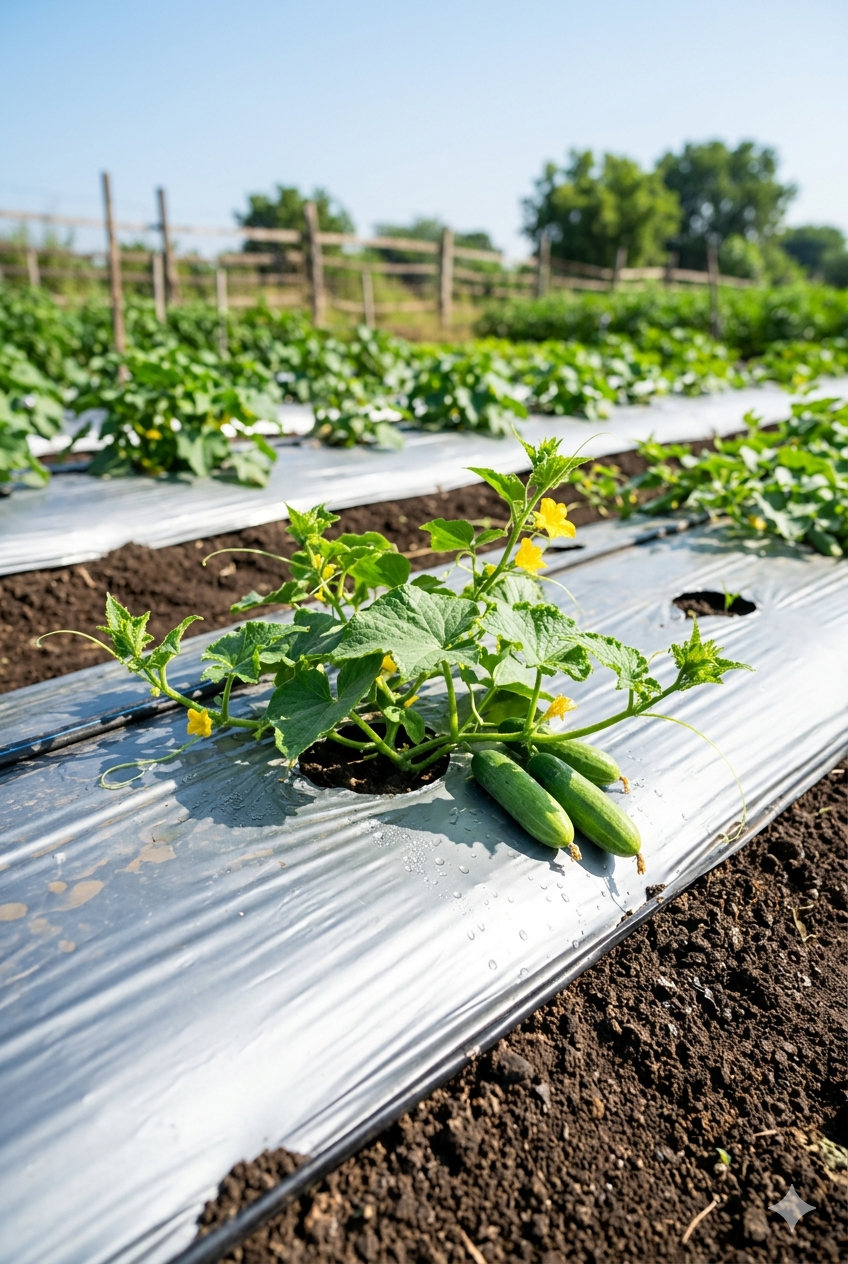
To address this critical issue, farmers are turning to innovative solutions like mulch film in Africa. This simple yet highly effective technology is transforming the way farmers conserve water, improve soil health, and increase productivity.
Leading manufacturers like Tilak Polypack are providing high-quality agricultural mulch film solutions designed specifically for African climates. In this article, we explore how mulch film acts as a game-changing solution for soil moisture management and sustainable farming growth in Africa.
The Importance of Soil Moisture Management
Soil moisture plays a vital role in crop growth and agricultural productivity. It directly affects:
- Seed germination
- Root development
- Nutrient absorption
- Crop yield and quality
Challenges in Africa:
- Irregular rainfall
- High evaporation rates
- Water scarcity
- Poor irrigation infrastructure
- Soil erosion and degradation
Without proper moisture management, even fertile land can fail to produce good yields.
What is Mulch Film and How Does It Work?
Mulch film is a thin layer of plastic material spread over the soil surface around crops. It creates a protective barrier that helps retain moisture and improve growing conditions.
Key Functions:
- Reduces water evaporation
- Maintains soil temperature
- Prevents weed growth
- Protects soil from erosion
- Enhances crop development
In regions with extreme climates, mulch film becomes an essential tool for efficient farming.
How Mulch Film Improves Soil Moisture Management
1. Reduces Water Evaporation
One of the biggest advantages of agricultural mulch film is its ability to significantly reduce water loss.
- Acts as a barrier between soil and atmosphere
- Minimizes direct sunlight exposure
- Keeps soil moist for longer periods
This is especially beneficial in hot and dry regions of Africa.
2. Enhances Water Efficiency with Drip Irrigation
Mulch film works exceptionally well with drip irrigation with mulch film systems.
Benefits:
- Direct water delivery to plant roots
- Minimal water wastage
- Uniform moisture distribution
- Improved crop performance
This combination is ideal for regions facing water shortages.
3. Maintains Optimal Soil Temperature
Soil temperature plays a crucial role in moisture retention. Mulch film helps regulate temperature by:
- Keeping soil cooler during hot days
- Retaining warmth during cooler nights
This balance supports better root growth and water absorption.
4. Prevents Soil Crusting and Erosion
Heavy rains and strong winds can damage soil structure. Mulch film protects the soil surface by:
- Preventing crust formation
- Reducing runoff
- Maintaining soil integrity
Healthy soil retains moisture more effectively.
5. Improves Water Retention Capacity
Mulch film enhances the soil’s ability to hold water by reducing evaporation and maintaining consistent moisture levels.
This results in:
- Reduced irrigation frequency
- Lower water costs
- Increased crop productivity
Benefits of Mulch Film for African Farmers
1. Increased Crop Yield
Proper moisture management leads to healthier plants and higher yields. Farmers using mulch film in Africa often experience significant productivity improvements.
2. Water Conservation
With growing water scarcity, efficient usage is critical. Mulch film helps conserve water, making it a key tool for sustainable agriculture in Africa.
3. Reduced Farming Costs
By reducing water, labor, and fertilizer requirements, mulch film helps farmers lower overall costs.
4. Improved Crop Quality
Consistent moisture levels result in better crop quality, which is essential for both local markets and exports.
5. Climate Resilience
Mulch film helps farmers adapt to changing weather conditions by protecting crops from extreme heat and drought.
Why Choose Tilak Polypack Mulch Film?
When it comes to reliable plastic mulch film suppliers, Tilak Polypack stands out as a trusted partner for African farmers.
Key Features:
- High-quality, durable mulch film
- UV-resistant for harsh climates
- Designed for water conservation
- Suitable for all crop types
- Compatible with modern farming equipment
Tilak Polypack focuses on delivering innovative solutions that help farmers achieve better results with fewer resources.
Applications Across African Agriculture
1. Vegetable Farming
Crops like tomatoes, onions, peppers, and cucumbers benefit greatly from improved moisture management.
2. Fruit Farming
Mulch film supports crops such as strawberries, melons, and bananas by maintaining consistent soil conditions.
3. Commercial Farming
Large-scale farms use mulch film to improve efficiency and reduce operational costs.
4. Greenhouse Farming
In controlled environments, mulch film ensures optimal moisture and temperature conditions.
Best Practices for Using Mulch Film
To maximize benefits, farmers should follow proper usage techniques:
1. Proper Installation
Ensure correct placement of mulch film to avoid gaps and water loss.
2. Combine with Drip Irrigation
This enhances water efficiency and ensures optimal moisture levels.
3. Choose the Right Type
Select mulch film based on crop type, climate, and soil conditions.
4. Regular Monitoring
Check soil moisture levels and adjust irrigation accordingly.
Challenges and Solutions
Challenges:
- Initial investment cost
- Lack of awareness
- Limited access to technology
Solutions:
- Government support programs
- Farmer training initiatives
- Affordable solutions from suppliers like Tilak Polypack
- Long-term cost savings outweigh initial investment
Future of Soil Moisture Management in Africa
The future of African agriculture depends on efficient resource management and sustainable practices.
Key Trends:
- Increased adoption of mulch film
- Expansion of drip irrigation systems
- Growth of precision farming
- Focus on climate-smart agriculture
Mulch film will continue to play a crucial role in improving water efficiency and farm productivity.
Conclusion
Soil moisture management is one of the most critical factors for successful farming in Africa. With increasing climate challenges and water scarcity, farmers need reliable and effective solutions.
Mulch film in Africa has proven to be a game-changing technology that helps conserve water, improve soil health, and increase crop yields. When combined with modern farming techniques, it offers a powerful solution for sustainable agriculture.
Tilak Polypack is committed to supporting African farmers by providing high-quality mulch film solutions designed for real-world conditions. By adopting mulch film, farmers can achieve better productivity, higher profitability, and long-term sustainability.
Promote your articles nowCheck for details
Choose a promotion package
Choose a package below, scan the QR code and pay the displayed amount for 20 days.
After payment, email your article title and payment screenshot to info@yourneeds.asia. Once confirmation is received, one of our administrators will activate the promotion.

Choose where your promoted article receives extra visibility
Promotion changes presentation and placement for the selected period. It does not guarantee traffic, enquiries, search ranking or sales.
Priority visibility in the VIP Lounge, promoted shelves and highlighted article areas.
Top-style highlighting in article directories, homepage feeds and promoted article blocks.
Premium styling across supported article feeds, recommendations and directory placements.
Featured presentation in supported homepage, category, directory and related-article areas.
Build a stronger online presence for your business
Get Your Website for ₹15,000
Are you listed and don't have a website for your business? We can plan, design and launch a responsive website that makes your business easier to understand and contact.
Get My WebsiteSEO Starts from ₹10,000/Month
Improve how your business is presented across Google, local listings and AI-powered search results with ongoing SEO, content and authority-building work.
Improve My VisibilitySuggested Articles
View all articles
FDA Certification in Dallas: Supporting Regulatory Compliance and Market Readiness
FDA Certification in Dallas can help organizations establish appropriate regulatory processes, maintain required documentation, and prepare for applicable FDA expectations. Professional guidance can also…

Corporate Christmas Gifts: Thoughtful Ideas for Employees, Clients and Customers
Christmas is a popular occasion for businesses to appreciate employees, clients, customers, and professional partners. Corporate christmas gifts can be a simple way to…

Amphibious Excavators for Wetland, Canal, and Pond Projects
[caption id="attachment_8468" align="alignnone" width="300"] Desilting Machine[/caption] Construction and maintenance work becomes more complicated when a project is located on marshy ground, near a…

How Simple Digital Tools Can Improve Everyday Productivity
In today's digital world, I often find myself using many different online tools for work, learning, and personal projects. Having a simple and organized…
Latest Blog Posts
View all articles
How to Choose a Reliable Frozen Sweet Potato Fries Supplier?
Choosing the right frozen sweet potato fries supplier is an important decision for distributors, retailers, and foodservice businesses. A reliable supplier should provide consistent…
Ultimate Guide to Buying Frozen Sweet Potato Fries for Foodservice
Introduction Sourcing high-quality frozen sweet potato fries is an important part of successful foodservice operations. Restaurants, foodservice buyers, distributors, and brand managers need to…

From Madhapur Search to AI Discovery Best SEO Company Madhapur Done it right 2026
From Madhapur Search to AI Discovery: How YourNeeds.asia Builds a 360° SEO Visibility Engine for Local Businesses A customer looking for a business in…

BBQ Catering in Karachi: Delicious Grilled Food for Every Occasion
When it comes to outdoor gatherings and celebrations, BBQ is one of the most popular food choices. From family get-togethers and birthday parties to…

Event Press Release: How to Announce and Promote Your Event | BeritaWire
An event press release is a professional announcement used to share important information about an upcoming event with journalists, news websites, media organizations, customers,…

Party Catering in Karachi: Delicious Food for Every Celebration
Planning a party involves many details, but food is one of the most important parts of creating a memorable experience. Whether you are arranging…