
Published: |Last updated:
Listen to this article
Show Quick ReadConcise summary from this article
Understanding Indian cuisine used to require a journey through India. Now it requires connection to the right kitchens India possesses one of the world's most regionally varied food landscapes. Every state, every city, sometimes every district has developed its own cooking tradition—its own spices, methods, dishes refined over generations. Comprehending Indian cuisine fully has always meant traveling through India. Being in the right city, eating at the right kitchen, tasting…
Ask AI About This Article
Answers are limited to information in this article.
Understanding Indian cuisine used to require a journey through India. Now it requires connection to the right kitchens
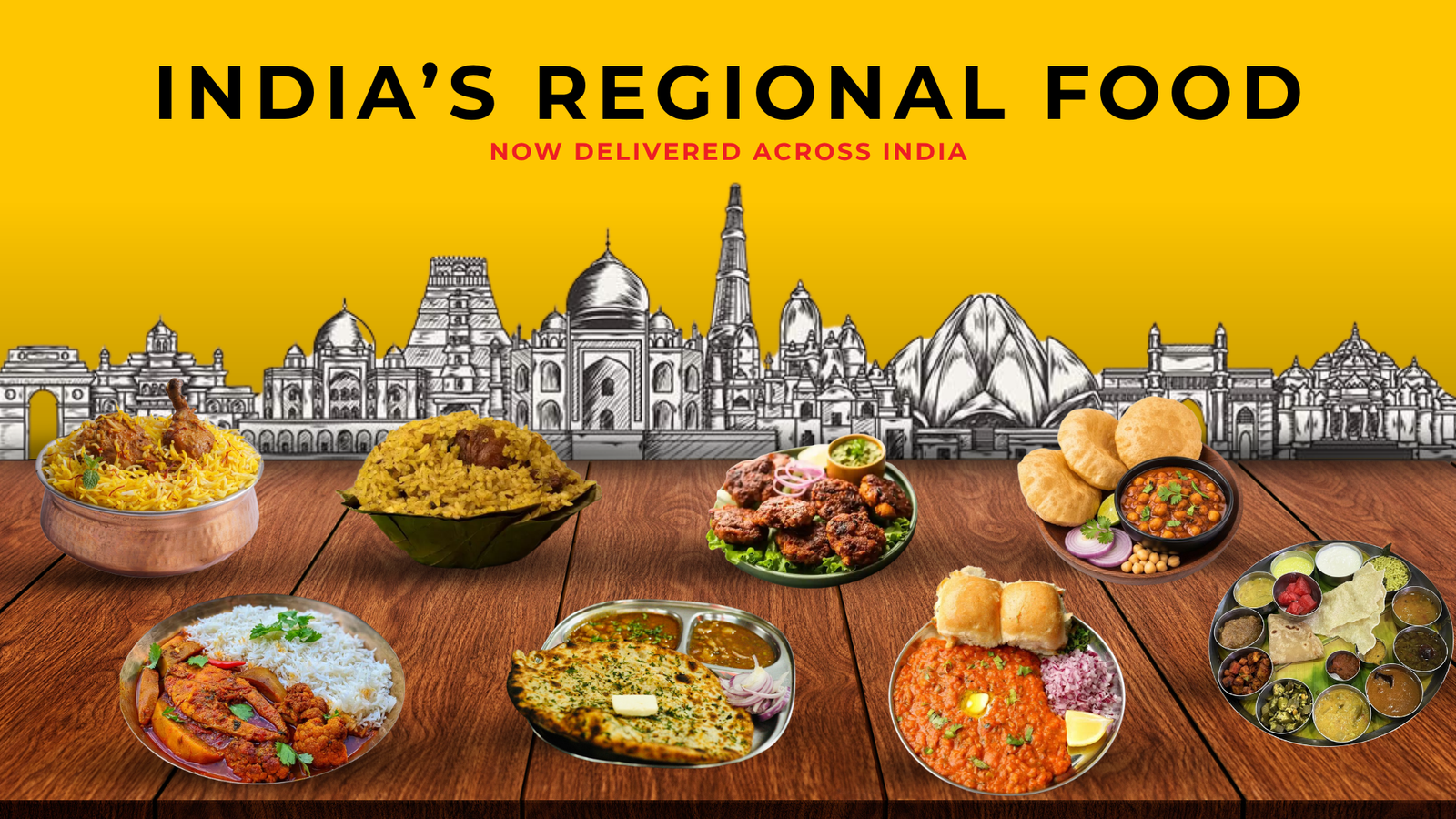
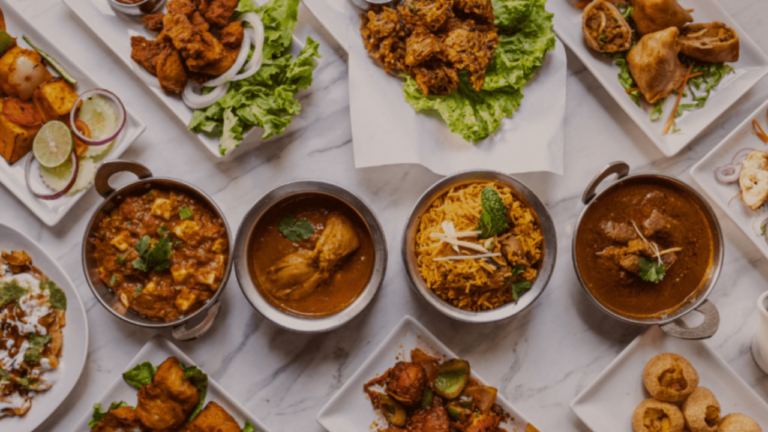
India possesses one of the world’s most regionally varied food landscapes. Every state, every city, sometimes every district has developed its own cooking tradition—its own spices, methods, dishes refined over generations. Comprehending Indian cuisine fully has always meant traveling through India. Being in the right city, eating at the right kitchen, tasting the specific thing only that place produces. Intercity food delivery alters this by making exploration possible without travel—bringing original food from original kitchens to wherever the person wanting to eat it happens to be.
The significance of this transformation is easy to underestimate until the first order arrives. Someone in Delhi who has heard about Hyderabadi biryani their whole life but never been there receives food from a heritage kitchen and understands what the conversation has always been about. Someone in Bengaluru missing Chennai’s South Indian flavors finds that distance no longer decides access. The experience is identical—genuine, specific, from the source.
India’s Food Is More Varied Than Most Realize
The breadth of Indian cuisine is easier to state than to appreciate. Most people encounter Indian food through their city’s version—which is always a subset, shaped by local availability and restaurant specializations. Hyderabad’s biryani and Kolkata’s biryani are different preparations. Chennai’s South Indian food and its northern interpretation aren’t the same experience. Lucknow’s kebab tradition is specific in ways that cannot be understood from tasting kebabs outside that tradition.
This is the exploration intercity food delivery makes possible on a practical, accessible basis. Not the approximated version of another region’s food, but the food itself—from the kitchens producing it, in the city it belongs to, delivered to wherever the person ordering lives.
What Makes Exploration Through Food Genuine
Food exploration, when genuine, isn’t about ticking off dishes. It’s about encountering a food culture’s specific character—understanding through taste what a city’s history and culinary tradition has produced. This cannot happen through imitation. Someone who eats a heritage kitchen’s preparation from a city they’ve never visited learns something real about that city—its patience, its spice sensibility, its relationship to food.
This is the difference making intercity food delivery a genuine exploration tool. The kitchens it works with aren’t producing food for general audiences. They’re heritage establishments that have spent decades perfecting one set of dishes within one specific tradition. When that food travels, the encounter is a genuine cultural experience.
Heritage Kitchens as Cultural Ambassadors
The kitchens making intercity food delivery meaningful have been in one place long enough to become part of that place’s identity. A Hyderabadi restaurant making biryani since the 1970s isn’t just a business—it’s a cultural institution. Its food carries the full weight of the tradition it represents. Those eating there are participants in a food culture developing across generations.
When that kitchen’s food travels to someone in another city, it travels with everything making it what it is. The recipe, the method, the knowledge accumulated through decades—all present. The person eating it encounters the same food Hyderabadi families have been eating for generations. That’s a genuine piece of cultural exchange.
Intercity food delivery, built on kitchens of this standing, isn’t simply a logistics operation. It’s a network of cultural connections—each order a link between a city’s food tradition and a person in another city who wanted to experience it in its original form.
From Curiosity to Discovery
Most Indians are genuinely curious about other regions’ food. The curiosity is natural—a country this varied produces natural interest in what other cities eat. But curiosity has historically been easier to hold than to act on. Local restaurants’ versions are available but never quite the same.
Intercity food delivery converts curiosity into genuine discovery. Someone in Pune curious about Lucknawi food can now order from a heritage kitchen in Lucknow and find out what the curiosity was pointing toward. Someone in Delhi who grew up hearing about Bengaluru’s dosa culture can order from a kitchen making it correctly for decades.
The Journey Without the Journey
One thing making food travel compelling is that eating in a city is one of the most direct ways of encountering what that city is. The food reflects the history, geography, culture. Traveling to Hyderabad and eating at a heritage kitchen isn’t just lunch—it’s absorbing something of the city itself.
Intercity food delivery replicates as much as food can carry without physical travel. The preparation, specific character, and depth from a heritage kitchen that’s been making it for decades travel with the food. The person in another city doesn’t experience the street or neighborhood. But they experience the food in its original form, which carries the most of the city’s identity.
India’s Cuisine Deserves to Be Explored in Full
India’s food culture is one of humanity’s great kitchen achievements. The specific traditions developed in each city represent centuries of accumulated knowledge—food reflecting the landscape it grew from and the people who shaped it. This food deserves proper exploration, not through generalized versions, but in the form each tradition actually takes.
Intercity food delivery makes this exploration possible in a way nothing before has managed. Not by bringing every dish to every city, but by creating a reliable route between the heritage kitchens holding these traditions and the people who want to encounter them. One order at a time, one city’s food tradition arriving as the original rather than as a reference.
The result is a version of Indian food culture finally as accessible as it has always deserved. Not held behind geography or travel—but available, honestly and specifically, to anyone in India who wants to explore it. The cuisine is unchanged. The exploration is simply no longer confined to those who can get to the source. The source now travels.
Promote your articles nowCheck for details
Choose a promotion package
Choose a package below, scan the QR code and pay the displayed amount for 20 days.
After payment, email your article title and payment screenshot to info@yourneeds.asia. Once confirmation is received, one of our administrators will activate the promotion.

Choose where your promoted article receives extra visibility
Promotion changes presentation and placement for the selected period. It does not guarantee traffic, enquiries, search ranking or sales.
Priority visibility in the VIP Lounge, promoted shelves and highlighted article areas.
Top-style highlighting in article directories, homepage feeds and promoted article blocks.
Premium styling across supported article feeds, recommendations and directory placements.
Featured presentation in supported homepage, category, directory and related-article areas.
Build a stronger online presence for your business
Get Your Website for ₹15,000
Are you listed and don't have a website for your business? We can plan, design and launch a responsive website that makes your business easier to understand and contact.
Get My WebsiteSEO Starts from ₹10,000/Month
Improve how your business is presented across Google, local listings and AI-powered search results with ongoing SEO, content and authority-building work.
Improve My VisibilitySuggested Articles
View all articles
Best Tasting Sweet Potato Varieties: Which One Is the Sweetest?
Sweet potatoes are available in many varieties, each with its own balance of sweetness, texture, moisture, and flavor. Some varieties are naturally soft and…
How to Choose the Best Sweet Potato Variety for Your Needs
Sweet potatoes come in many varieties, and each one has different characteristics that make it more suitable for certain recipes, cooking methods, or food…
The Anniversary Dinner That Neither of Them Will Ever Forget
Anniversary dinners carry an expectation that grows heavier with each passing year. The first anniversary is forgiving — anything thoughtful feels significant simply because…
The First Order of Intercity Food to Bengaluru and the Silence That Followed It
There is a particular silence that good food produces — different from the silence of an empty room, different from the silence between people…
Latest Blog Posts
View all articles
How to Choose a Reliable Frozen Sweet Potato Fries Supplier?
Choosing the right frozen sweet potato fries supplier is an important decision for distributors, retailers, and foodservice businesses. A reliable supplier should provide consistent…
Ultimate Guide to Buying Frozen Sweet Potato Fries for Foodservice
Introduction Sourcing high-quality frozen sweet potato fries is an important part of successful foodservice operations. Restaurants, foodservice buyers, distributors, and brand managers need to…
From Madhapur Search to AI Discovery Best SEO Company Madhapur Done it right 2026
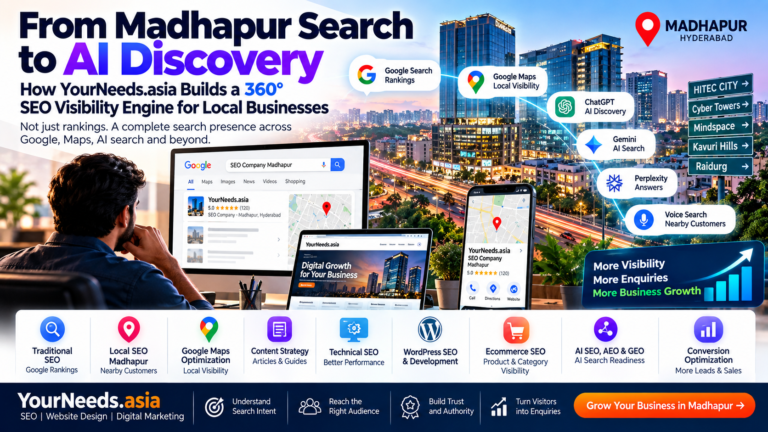
From Madhapur Search to AI Discovery: How YourNeeds.asia Builds a 360° SEO Visibility Engine for Local Businesses A customer looking for a business in…
BBQ Catering in Karachi: Delicious Grilled Food for Every Occasion
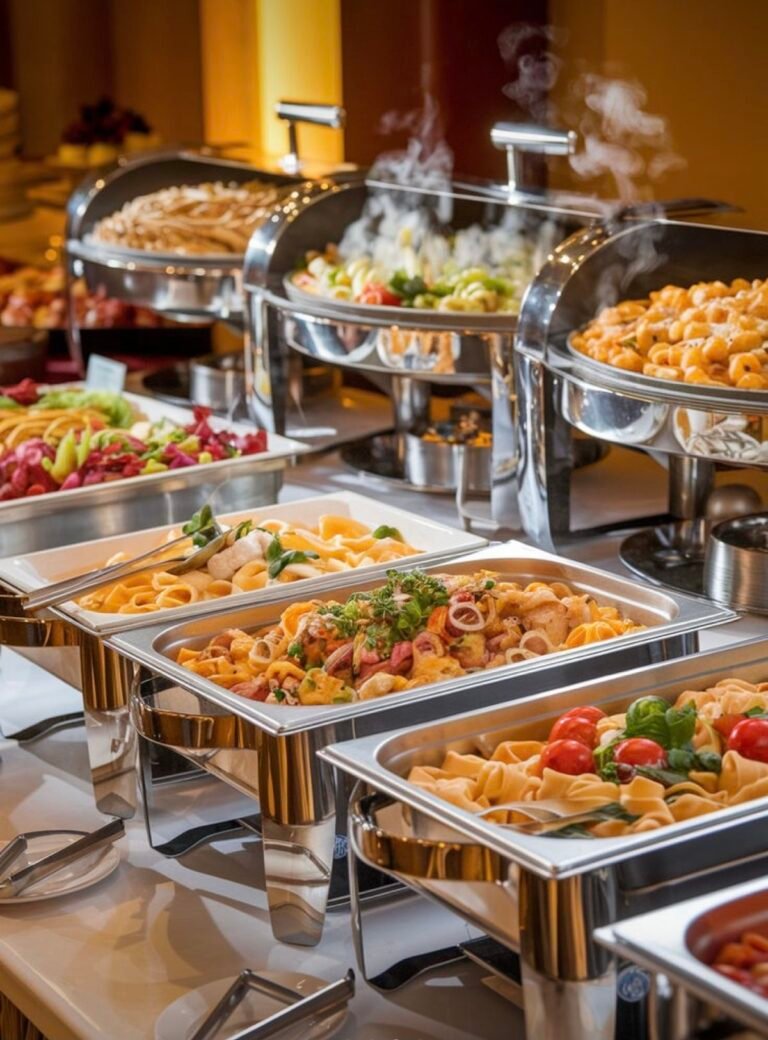
When it comes to outdoor gatherings and celebrations, BBQ is one of the most popular food choices. From family get-togethers and birthday parties to…

Event Press Release: How to Announce and Promote Your Event | BeritaWire
An event press release is a professional announcement used to share important information about an upcoming event with journalists, news websites, media organizations, customers,…
Party Catering in Karachi: Delicious Food for Every Celebration
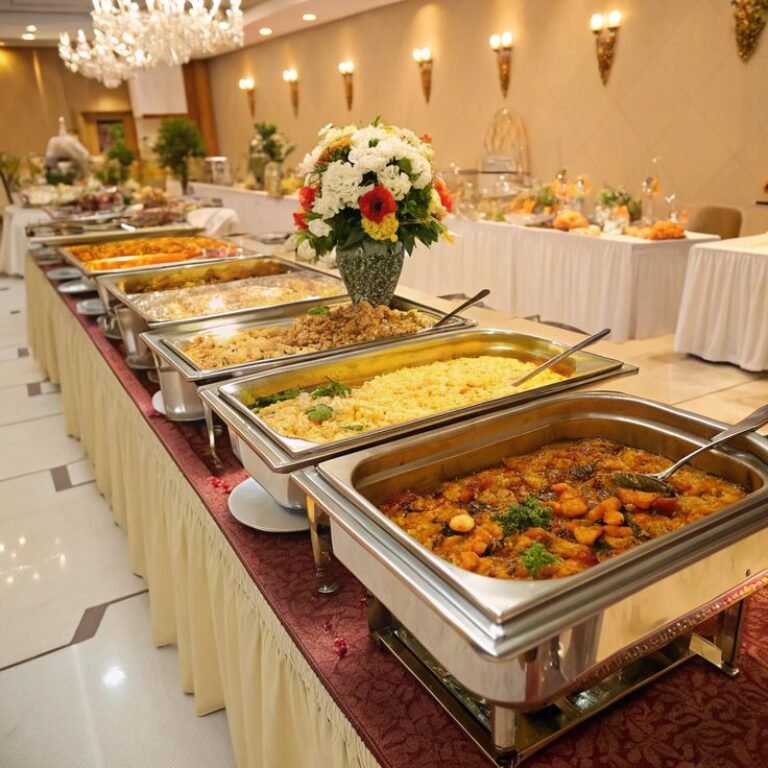
Planning a party involves many details, but food is one of the most important parts of creating a memorable experience. Whether you are arranging…