

Published: |Last updated:
Listen to this article
Show Quick ReadConcise summary from this article
Interpretation of Reversal and Remission The essence of diabetes reversal is the recovery of the function of islet B-cells and insulin sensitivity in patients, which is manifested as the ability to maintain good blood sugar control for a period of time even after the intensity of blood sugar-lowering treatment is reduced. For newly diagnosed or patients with a short disease course of type 2 diabetes, reversal is to be free…
Ask AI About This Article
Answers are limited to information in this article.
Interpretation of Reversal and Remission
The essence of diabetes reversal is the recovery of the function of islet B-cells and insulin sensitivity in patients, which is manifested as the ability to maintain good blood sugar control for a period of time even after the intensity of blood sugar-lowering treatment is reduced.
For newly diagnosed or patients with a short disease course of type 2 diabetes, reversal is to be free from oral hypoglycemic drugs, that is, drug-free remission. Given that the Chinese diabetic population is more common with postprandial blood sugar increase, the “Expert Consensus on Reversing Type 2 Diabetes with Short-term Intensive Insulin Therapy” has proposed a stratified definition of the reversal state.
The consensus emphasizes that clinical remission belongs to a higher level of reversal; although patients who have achieved diabetes remission can be free from hypoglycemic drugs and other medical interventions, it does not mean “cure.” Even if drug-free remission has been achieved, diabetic patients still need to continue lifestyle management and regular monitoring to detect and intervene hyperglycemia as early as possible.
Why can short-term intensive insulin therapy reverse type 2 diabetes?
The goal of short-term intensive insulin therapy is to improve the function of islet B-cells and increase the sensitivity of insulin.
Comprehensive clinical evidence shows that short-term intensive insulin therapy can significantly improve acute insulin response, that is, the first-phase secretion, early-phase insulin secretion, and can also improve the ratio of insulin area under the curve to glucose area under the curve in the oral glucose tolerance test, C-peptide response, insulin secretion sensitivity index-2 and other B-cell function indicators, and significantly improve the insulin resistance index, thereby enhancing the body’s glucose disposal capacity.
Which groups are suitable for intensive treatment?
The “Chinese Guidelines for the Prevention and Treatment of Type 2 Diabetes (2020 Edition)” suggests that intensive treatment can be implemented when newly diagnosed type 2 diabetic patients have a glycated hemoglobin ≥9.0% or fasting blood sugar ≥11.1 mmol/L, accompanied
Promote your articles nowCheck for details
Choose a promotion package
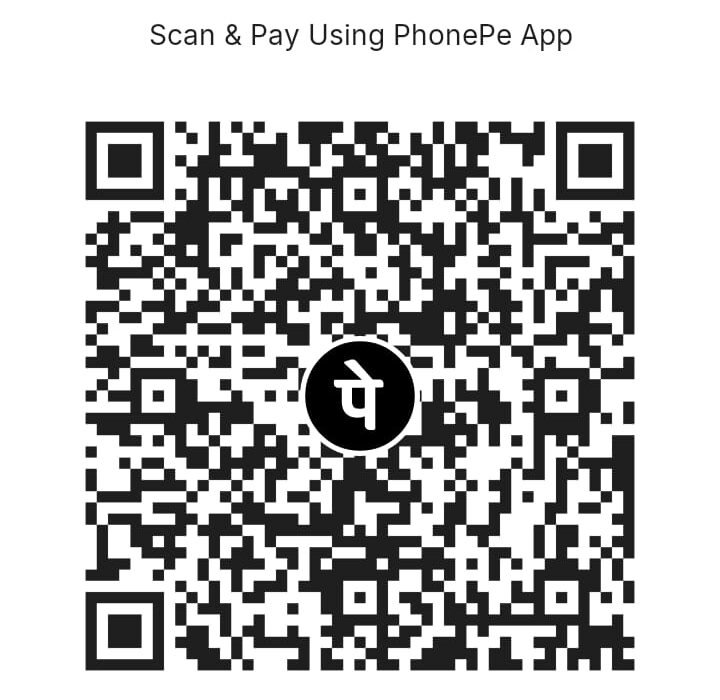
Choose a package below, scan the QR code and pay the displayed amount for 20 days.
After payment, email your article title and payment screenshot to info@yourneeds.asia. Once confirmation is received, one of our administrators will activate the promotion.
Choose where your promoted article receives extra visibility
Promotion changes presentation and placement for the selected period. It does not guarantee traffic, enquiries, search ranking or sales.
Priority visibility in the VIP Lounge, promoted shelves and highlighted article areas.
Top-style highlighting in article directories, homepage feeds and promoted article blocks.
Premium styling across supported article feeds, recommendations and directory placements.
Featured presentation in supported homepage, category, directory and related-article areas.
Build a stronger online presence for your business
Get Your Website for ₹15,000
Are you listed and don't have a website for your business? We can plan, design and launch a responsive website that makes your business easier to understand and contact.
Get My WebsiteSEO Starts from ₹10,000/Month
Improve how your business is presented across Google, local listings and AI-powered search results with ongoing SEO, content and authority-building work.
Improve My VisibilitySuggested Articles
View all articles
Dry Mouth: The Overlooked Side Effect of Common Medications
You know that feeling when your tongue sticks to the roof of your mouth, you're sipping water all day, and it never quite helps?…
Waklert 150 mg: Common Questions About This Medication
What is the nature of Waklert and what are the precautions to be taken? Waklert 150 mg is the brand name under which armodafinil…
How does oral Ivermectin work, and what should you expect?
Ivermectin is a Food and Drug Administration-approved antiparasitic drug that is commonly used for certain parasitic infections such as strongyloidiasis intestinalis, river blindness (onchocerciasis),…
Best Neurosurgeons in Varanasi: 10 Doctors for Brain and Spine Care
When a neurological problem affects the brain, spinal cord, or nerves, finding an experienced specialist can be an important part of the healthcare journey.…
Latest Blog Posts
View all articles
Dental Health Tips for New Migrants: Navigating Dental Care in Australia
Moving to a new country is a lot. There's a new home to set up, a new job or school, paperwork that never seems…

Custom Digitizing Services: Get Clean, Quality Embroidery
Have you ever seen a beautiful logo on a shirt or cap and wondered how it was stitched so neatly? Behind every clean embroidery…

Professional Embroidery Artwork for Etsy: A Seller’s Guide
A beautiful embroidery design can turn an ordinary item into something special. Whether it is a personalized baby blanket, a custom tote bag, or…

Convert Images into Vector Graphics for Sharp, Clear Designs
Have you ever enlarged a logo or picture only to see blurry edges and rough lines? This is a common problem when working with…

Mental Health and Oral Health: Why They’re More Connected Than You Think
When you are going through a hard time, taking care of your teeth may seem to be the least of your concerns. Well, in…
What Is a Smart Meter? Working, Benefits, Installation, and Problems Explained
Let's be honest: most of us only look at the electricity bill when it hurts. You open it, see a number that makes no…