
Published: |Last updated:
Listen to this article
Show Quick ReadConcise summary from this article
Some foods stay with you. Not because of how fancy they are, but because of how they make you feel. Hyderabad’s Haleem is one of those. It’s not just something you eat - it’s something you remember. The slow cooking, the soft texture, the gentle blend of lentils and spices - everything about it feels comforting and familiar. During Ramadan and festivals, the city itself seems to change. The streets…
Ask AI About This Article
Answers are limited to information in this article.
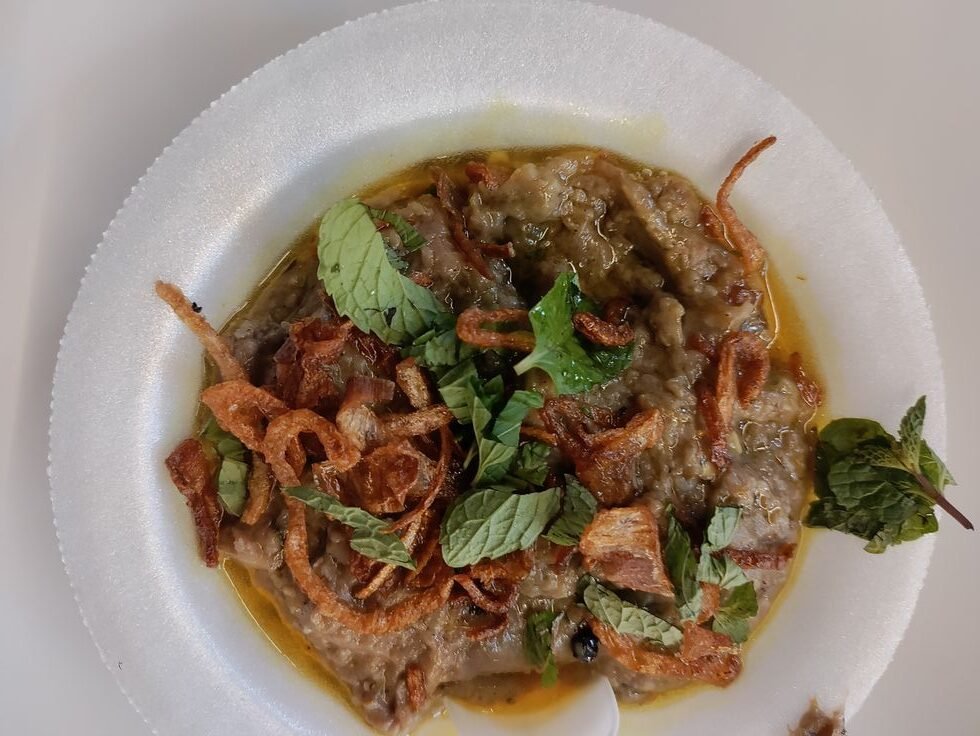
Some foods stay with you. Not because of how fancy they are, but because of how they make you feel. Hyderabad’s Haleem is one of those. It’s not just something you eat – it’s something you remember. The slow cooking, the soft texture, the gentle blend of lentils and spices – everything about it feels comforting and familiar. During Ramadan and festivals, the city itself seems to change. The streets feel fuller, families gather more, shops stay open late, and the air carries that unmistakable smell of Haleem. You don’t even need to see it – the aroma alone tells you the season has arrived. It feels like home in food form.
But there’s always been one problem: distance.
If you’re not in Hyderabad, you’re automatically disconnected from that experience. People in other cities, like Bangalore, only get the real taste if they physically travel. That means planning trips, spending money, taking time – all for something that should be simple. Food like this shouldn’t feel restricted.
Culture shouldn’t need a journey to be experienced. This is where Hungersate shifts the entire idea of food delivery.
It doesn’t work like regular apps that stay locked inside city boundaries. It works across cities. It allows people to order authentic Hyderabad Haleem and receive it at their doorstep, even from far away. The logistics – flights, transport, packaging, hygiene, safety – all happen behind the scenes. From the user’s side, it feels simple. You place the order, and the system takes care of the rest.
What makes this powerful isn’t just the delivery – it’s the idea.
Instead of people traveling to food, food travels to people.
Instead of memories being tied to one city, flavors move freely between places.
It feels less like delivery and more like connection.
Hyderabad’s Haleem carries meaning because of the places that make it. Restaurants like Hotel Nayab, Sarvi, and Dine Hill aren’t just food spots – they’re part of the city’s identity. They’ve stayed loyal to traditional cooking, doing things the right way instead of the easy way. Their Haleem carries stories, history, and memory. For people who grew up with these flavors, it’s not just about taste – it’s about family, childhood, festivals, and belonging.
Before Hungersate, being physically present in Hyderabad was the only way to feel that connection. Now, that distance doesn’t feel as heavy. The gap isn’t completely gone – but it’s smaller. And sometimes, that’s enough to change everything.
Their app experience reflects this thinking. You choose your city, browse restaurants, filter what you’re craving, track your order, and checkout easily. All the complex inter-city systems stay hidden. For the user, it feels normal – like ordering from a nearby restaurant – even though the food is traveling across cities. That simplicity is what makes the whole model believable.
But Hungersate isn’t just moving food. It’s a moving emotion.
For someone from Hyderabad living elsewhere, Haleem becomes a piece of home. It brings back memories of late nights, family gatherings, crowded streets, and shared meals. For someone who’s never been to Hyderabad, it becomes a way to experience something iconic without traveling. It makes culture accessible, not distant.
Most quick-commerce platforms are built around speed, discounts, and convenience. Hungersate feels built around trust, authenticity, and intention. It doesn’t feel rushed. It doesn’t feel forced. It feels thoughtful. Some might call the idea too big or too ambitious – but it feels necessary. Because food deserves more than just being fast. It deserves meaning.
Looking forward, the possibilities feel wide open.
Today it’s Haleem.
Tomorrow it could be biryani, street snacks, sweets, breakfasts, and festival foods moving across cities. Food wouldn’t belong to travel anymore – it would belong to everyday life. Cities wouldn’t feel separate – they’d feel connected through taste.
The focus on hygiene, temperature control, and transport safety shows this isn’t just a concept – it’s built for reality. Real systems. Real roads. Real infrastructure. Cross-city delivery isn’t easy, but if it’s done right, it can change how people experience food in India.
In the end, Hungersate isn’t just delivering meals.
It’s helping people stay connected to places, memories, and culture.
It makes distance feel smaller.
It makes cities feel closer.
It makes food feel deeper.
And honestly – that kind of connection feels rare.
And it feels needed.
Promote your articles nowCheck for details
Choose a promotion package
Choose a package below, scan the QR code and pay the displayed amount for 20 days.
After payment, email your article title and payment screenshot to info@yourneeds.asia. Once confirmation is received, one of our administrators will activate the promotion.

Choose where your promoted article receives extra visibility
Promotion changes presentation and placement for the selected period. It does not guarantee traffic, enquiries, search ranking or sales.
Priority visibility in the VIP Lounge, promoted shelves and highlighted article areas.
Top-style highlighting in article directories, homepage feeds and promoted article blocks.
Premium styling across supported article feeds, recommendations and directory placements.
Featured presentation in supported homepage, category, directory and related-article areas.
Build a stronger online presence for your business
Get Your Website for ₹15,000
Are you listed and don't have a website for your business? We can plan, design and launch a responsive website that makes your business easier to understand and contact.
Get My WebsiteSEO Starts from ₹10,000/Month
Improve how your business is presented across Google, local listings and AI-powered search results with ongoing SEO, content and authority-building work.
Improve My VisibilitySuggested Articles
View all articles
Best Tasting Sweet Potato Varieties: Which One Is the Sweetest?
Sweet potatoes are available in many varieties, each with its own balance of sweetness, texture, moisture, and flavor. Some varieties are naturally soft and…
How to Choose the Best Sweet Potato Variety for Your Needs
Sweet potatoes come in many varieties, and each one has different characteristics that make it more suitable for certain recipes, cooking methods, or food…
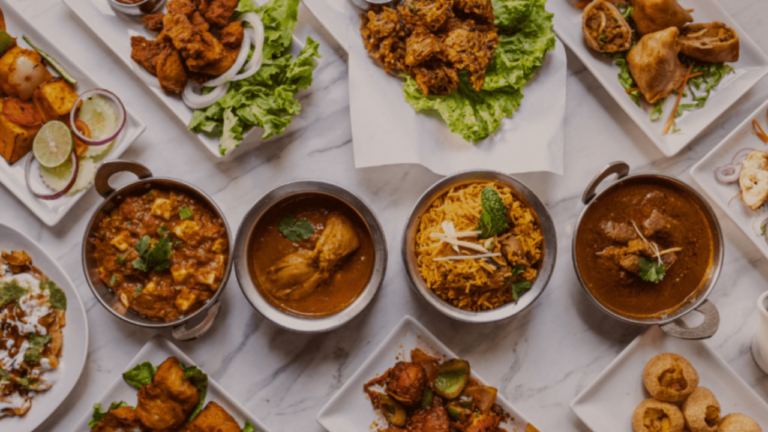
The Anniversary Dinner That Neither of Them Will Ever Forget
Anniversary dinners carry an expectation that grows heavier with each passing year. The first anniversary is forgiving — anything thoughtful feels significant simply because…
The First Order of Intercity Food to Bengaluru and the Silence That Followed It
There is a particular silence that good food produces — different from the silence of an empty room, different from the silence between people…
Latest Blog Posts
View all articles
Flats for Rent in Hyderabad: Apartments, Tolet, Villas & Independent Houses 2026
Flats for Rent in Hyderabad: Apartments, To-Let Homes, Villas & Independent Houses – Complete 2026 Rental Guide Finding the right Flats for rent in…
Sara777 – Satta Matka Results and Chart Latest Records
Welcome to Sara777, an online platform created to provide easy access to Satta Matka results, charts, market records, and related information in one place.…

How to deposit on allpanel777?
Here is some steps to deposit on allpanel777 are:- Step 1: Start With Your Account To deposit, users should have an active AllPanel777 account.…
How Rhythm & Royalty Fitness Makes Dance Classes in Zirakpur Fun for Every Age Group
Dance has a unique way of bringing people together, no matter their age, fitness level, or experience. With everyone seeking a workout that doesn't…
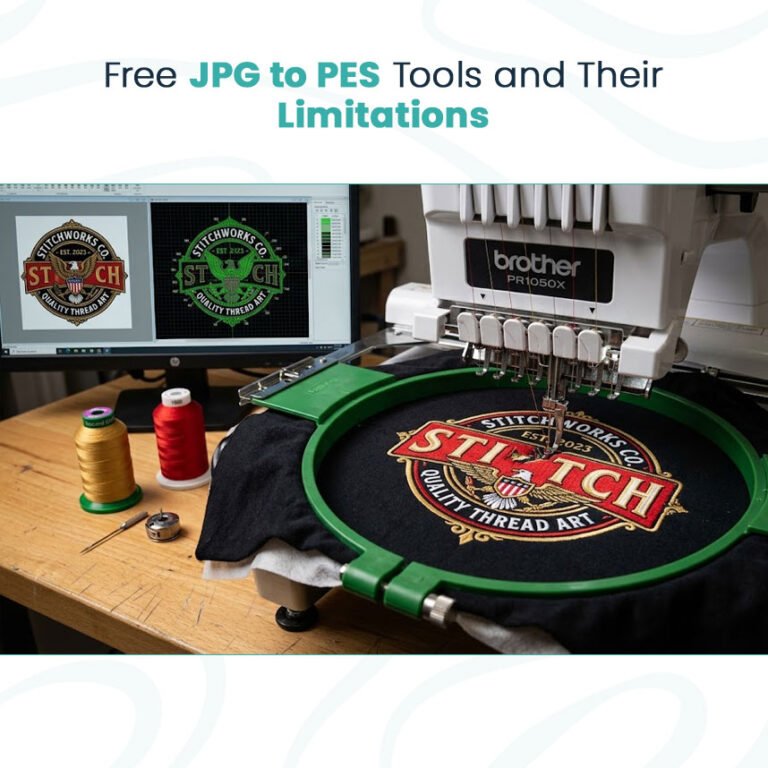
Free JPG to PES Tools and Their Limitations
Turning a picture into an embroidery file sounds simple until you see what happens inside the machine. A JPG shows an image, while a…

Getting to Know Ciprofloxacin 500 mg: Uses, Safety and Important Information
[caption id="attachment_8302" align="alignnone" width="300"] Ciprofloxacin 500 mg: Understanding the basics in a simple way.[/caption] Ciprofloxacin 500 mg: Some Basic Points to Consider When one…