How Intercity Food Delivery Helps Plan Unique Office Food Menus

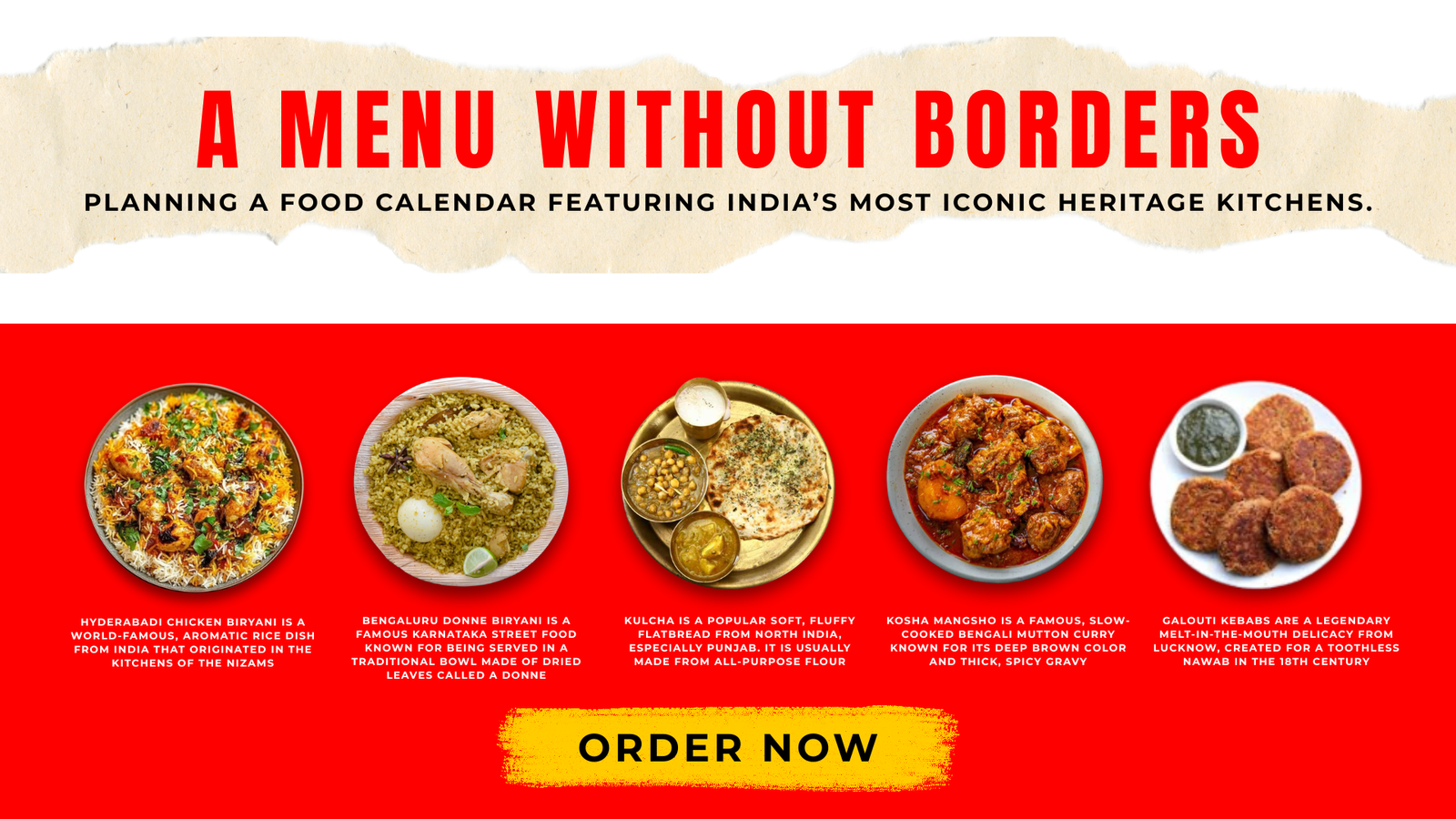
An office menu should give people something to look forward to. Intercity food delivery is the tool that finally makes that possible.
Ask the person responsible for food planning in any Indian office how the canteen menu is going, and the answer usually involves a resigned pause. The menu works. People eat. Nobody is particularly unhappy. But nobody is particularly excited either. The food has become part of the background — present, reliable, and entirely without the quality of being looked forward to. Intercity food delivery is changing this conversation, and it is doing it in a way that is more practical and more plannable than most people initially assume.
For as long as office food has existed in India, the menu has been shaped by what is locally available. What the city offers, what vendors are nearby, what the canteen can produce at the scale required. Within those limits, food planners have done what they could. The limits, however, have always been real. Intercity food delivery removes the most significant of them — the geographic one — by making heritage kitchens from cities across India available to offices anywhere in the country, on an advance-order basis that requires no special arrangement beyond placing the order the day before.
“A menu that surprises people is a menu they keep coming back to.”
The Office Food Menu Has Always Had the Same Problem
The repetitiveness of most office canteen menus is not a mystery. A kitchen feeding hundreds of people daily is not built for exploration. It is built for reliability, speed, and consistency — qualities that are genuinely valuable and that come at the direct cost of regional depth and variety. The menu settles into whatever it can produce well at scale, which tends to be a limited and familiar set of options.
For employees who grew up in cities other than the one they currently work in, this menu gap is felt regularly and quietly. The person from Hyderabad eating a canteen version of biryani knows, without needing to analyse it, that it is not the biryani they know. The colleague from Chennai eating the South Indian option on the menu recognises what is missing. These are not complaints — they are just the accumulated small disappointments of a food environment that was never built to acknowledge them.
Intercity food delivery gives the food planner a way to finally address these gaps — not by replacing the canteen, but by expanding what the canteen calendar can access. Heritage kitchens from the cities those employees are from, available on a plannable basis, delivering food that people from those cities will actually recognise as their own.
What a Unique Menu Actually Requires
A menu that is genuinely different requires ingredients that are genuinely different — and by ingredients, the most important one is the kitchen itself. Any menu can rotate through a new set of dishes. Only a menu with access to heritage kitchens from across India can offer food that is genuinely from somewhere, with the full depth of that origin behind it.
Intercity food delivery provides exactly this access. The restaurants behind it are not new or generic. They are places that became essential in their own cities by doing one thing consistently and exceptionally well over decades. Their food is not an interpretation of a regional tradition — it is the tradition itself, still being maintained by the people who grew up inside it.
When that food becomes available to a food planner, the menu stops being a rotation of available options and starts being a programme with genuine range. Cities can be featured. Regional traditions can be explored. The team can encounter food that has a real story behind it, from a real place, on a day that is planned, confirmed, and looked forward to.
“The best office food calendars are built around real kitchens, not just good intentions.”
Planning Becomes Genuinely Possible
The pre-order model that drives intercity food delivery is one of the reasons it suits office food planning so naturally. Office food is a planned activity — menus are set in advance, vendors are confirmed ahead of time, and the canteen operates on a schedule that everyone knows before the week begins. Intercity delivery slots into this structure without friction.
The order is placed the day before the food day. The heritage kitchen prepares the food that morning. The delivery arrives at the office within the confirmed window. From the planner’s perspective, this is exactly how every other food arrangement works — the only difference is that the kitchen is in Hyderabad or Lucknow rather than down the road.
That compatibility removes the main perceived barrier to incorporating intercity food delivery into a regular menu plan. It is not a special operation. It is a category of food provider that happens to be located in another city — and one that, once added to the planning calendar, behaves with the same reliability as any local vendor.
How a Food Calendar Can Look Different
The change an intercity food day makes to an office food calendar is noticeable from the first time it happens. The team comes in that morning knowing something different is on the menu. The person from the featured city is already being asked questions before noon. The lunch table gathers with a collective interest that has been absent from the canteen for longer than anyone can quite remember.
Over months, this builds something. The food calendar develops personality. Certain days become associated with specific cities, specific kitchens, specific lunches that people bring up in conversation weeks later. The canteen stops being the invisible feature of the working day and starts being something the team is genuinely aware of and engaged with.
There is a team recognition dimension to this that matters quietly but consistently. When the food calendar features the cities the team is actually from, the office communicates to each of those people that their background was considered. That consideration is expressed through food — which means it is experienced rather than just communicated. And experiences, as any food planner who has seen the response to the first heritage kitchen delivery will confirm, land in a way that no announcement or email ever quite manages.
“When the food calendar reflects the team, the team notices. And they appreciate it.”
The Role of Heritage Kitchens in Unique Menus
The heritage kitchens behind intercity food delivery are what distinguish a genuinely unique office menu from one that is merely varied. These are restaurants that built their reputations in specific cities by being irreplaceable — not by being many things to many people, but by being the definitive version of one thing to the people who grew up with it.
Food from these kitchens carries its origin in an unmistakable way. The team eating a heritage Hyderabadi biryani in a Bengaluru office is not eating a Bengaluru version of biryani — they are eating the actual thing, from the actual kitchen that Hyderabadis return to for decades. That distinction is tasted, not just noted. And it is that distinction that gives the food day its character and gives the food planner something genuinely meaningful to put on the calendar.
This is what makes heritage kitchens not just an interesting addition to an office menu but the foundation of one that is actually worth the name unique. Food with origin. Food with depth. Food that gives the team something to discover, something to share, and something to look forward to again.
Small Changes That Build Something Lasting
The most honest advice for any food planner considering intercity delivery is to simply try it once. One heritage kitchen, one food day, one region the team has not encountered in its authentic form. The evidence arrives with the food.
What happens on that day tends to be memorable in the quiet way that good food always is. The team notices. They gather. The person from that city shares something they would not otherwise have had a reason to share. Someone at the table tries a dish for the first time and immediately understands what the fuss is about. The food planner watches and realises, perhaps for the first time in a long time, that the canteen can be more than a facility.
Intercity food delivery makes this possible without asking offices to change how they manage food. It simply adds to what is available within that management — heritage kitchens from across India, ready to be part of a food calendar that has been waiting for something genuinely worth planning around. One day at a time, the office menu becomes something entirely different from what it was.