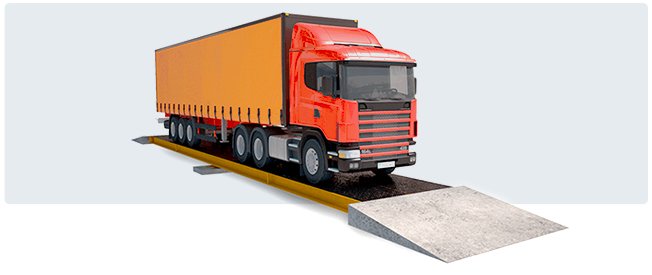
If you’ve ever invested in a weighbridge system and later faced accuracy issues, signal noise, or maintenance headaches, you’re not alone. Many manufacturing and logistics businesses struggle at this exact decision point — digital vs analog load cells. The wrong choice can quietly drain efficiency and profits.
Having worked closely with industrial weighing solutions, I’ve seen how choosing the right load cell can dramatically improve performance and reliability. In this article, I’ll break down the real-world differences so you can confidently decide what suits your operation best.

For deeper technical guidance, you can explore the detailed resource here:
👉 https://multi-weigh.org/digital-load-cells-and-analog-load-cells.html
1. Understanding the Basics of Load Cells
Before choosing, it’s important to know what you’re comparing.
Analog load cells convert force into a small electrical signal that travels to a junction box and indicator.
Digital load cells convert the signal into digital data inside the load cell itself before transmission.
Why it matters
Signal processing location directly affects accuracy and noise resistance.
Actionable tip
If your environment has electrical interference (common in factories), digital load cells usually perform better.
2. Accuracy and Signal Stability
This is where most businesses notice the biggest difference.
Analog systems are more vulnerable to:
-
Electrical noise
-
Signal loss over long cables
-
Calibration drift
Digital load cells, on the other hand, offer:
-
Built-in signal processing
-
Better corner accuracy
-
More consistent readings
Why it matters
Even small weighing errors can compound into major financial losses in high-volume operations.
Actionable tip
For heavy-duty weighbridges or high-value materials, prioritize digital technology.
3. Installation and Calibration Complexity
Analog load cells typically require:
-
Junction box trimming
-
Manual corner balancing
-
More field calibration
Digital load cells usually provide:
-
Automatic corner correction
-
Simplified setup
-
Faster commissioning
Why it matters
Installation time equals downtime — and downtime costs money.
Actionable tip
If you want quicker deployment with fewer technical adjustments, digital is the smoother path.
4. Maintenance and Troubleshooting
From my experience, this is where many operators feel the long-term impact.
Analog systems
-
Harder fault detection
-
More wiring issues
-
Manual diagnostics required
Digital systems
-
Self-diagnostics
-
Error reporting
-
Easier fault isolation
Why it matters
Faster troubleshooting means less operational disruption.
Actionable tip
Facilities with limited technical staff should strongly consider digital load cells.
5. Cost vs Long-Term Value
Let’s address the elephant in the room.
-
Analog load cells → lower upfront cost
-
Digital load cells → higher initial investment but lower lifecycle cost
Why it matters
Cheaper today can become expensive tomorrow through maintenance, recalibration, and downtime.
Actionable tip
If your weighbridge is mission-critical, think in 5–10 year ROI, not just purchase price.
6. When Analog Load Cells Still Make Sense
Despite the advantages of digital, analog isn’t obsolete.
Choose analog when:
-
Budget is very tight
-
Application is low precision
-
Environment is electrically clean
-
System is small and simple
Why it matters
Not every operation needs premium technology.
Actionable tip
For small warehouses or basic weighing, analog can still be a practical choice.
FAQs
Q1. Are digital load cells more accurate than analog?
Yes, in most industrial environments digital load cells provide better accuracy and stability due to onboard signal processing.
Q2. Do digital load cells require less maintenance?
Generally yes. They offer self-diagnostics and fewer wiring-related issues.
Q3. Is the price difference significant?
Digital load cells cost more upfront, but often reduce long-term operational expenses.
Q4. Can analog load cells be upgraded to digital?
Usually this requires replacing the load cells and sometimes the indicator system.
Q5. Which is better for weighbridges in harsh environments?
Digital load cells typically perform better in electrically noisy or heavy-duty industrial settings.
Final Thoughts
Choosing between digital and analog load cells isn’t just a technical decision — it’s a strategic one. If your operations demand precision, reliability, and minimal downtime, digital load cells are usually the smarter long-term investment. However, for simpler applications with tight budgets, analog systems still have their place.
As someone deeply involved in industrial weighing solutions, my professional advice is simple: match the technology to your operational risk and growth plans. And if you want expert guidance or a customized weighbridge solution, explore the resources at https://multi-weigh.org/.