
Published: |Last updated:
Listen to this article
Show Quick ReadConcise summary from this article
Event technology trends are changing how organizations design, operate, and evaluate modern events. Artificial intelligence, automation, real-time analytics, hybrid platforms, immersive tools, and personalized experiences are helping event teams improve efficiency while creating more engaging experiences for attendees. Technology has become a central part of the event experience. From the moment someone discovers an event and registers to the time they attend a session, connect with other participants, and receive…
Ask AI About This Article
Answers are limited to information in this article.
Event technology trends are changing how organizations design, operate, and evaluate modern events. Artificial intelligence, automation, real-time analytics, hybrid platforms, immersive tools, and personalized experiences are helping event teams improve efficiency while creating more engaging experiences for attendees.
Technology has become a central part of the event experience. From the moment someone discovers an event and registers to the time they attend a session, connect with other participants, and receive follow-up communication, digital systems can influence almost every stage of the journey.
Modern event professionals are no longer using technology simply for registration or audiovisual support. Connected platforms can bring together attendee management, communication, networking, engagement, data collection, marketing, and reporting. This creates opportunities to deliver more convenient experiences while giving organizers better visibility into event performance.
As attendee expectations continue to change, understanding the major event technology trends can help organizations make smarter decisions about the tools they use and the experiences they create.
Why Technology Has Become Central to Modern Events
The role of event technology has expanded considerably. Older event systems often focused on individual tasks such as ticketing or registration, while modern platforms can connect multiple processes within one environment.
Technology can reduce manual work by automating confirmations, reminders, notifications, scheduling, and other repetitive responsibilities. At the same time, centralized dashboards can give organizers a clearer view of registrations, attendance, engagement, and other important information.
The value of technology also extends to attendees. Digital registration can make joining easier, mobile event applications can provide schedules and updates, and networking tools can help participants discover relevant people and sessions.
When technology is selected according to genuine event requirements, it can support both operational efficiency and the overall attendee experience.
Artificial Intelligence in the Event Industry
Artificial intelligence has become one of the most discussed developments in the events industry. AI can assist with tasks that previously required significant manual effort, including content creation, attendee communication, data analysis, recommendations, and customer support.
For example, an AI-powered system could help attendees find sessions that match their interests or answer common questions about schedules, locations, and event activities. Organizers can also use AI to analyze participant behavior and identify patterns that may not be immediately visible through manual analysis.
AI does not necessarily replace the human role in event management. Instead, it can handle repetitive or data-heavy activities, allowing event teams to spend more time on creative decisions, relationships, speaker management, and experience design.
The most useful applications of AI are therefore likely to be those that solve specific operational or attendee-experience problems rather than simply adding AI because it is fashionable.
Event Technology Solutions for More Efficient Planning
Modern event technology solutions can cover many areas of event production. Registration, ticketing, scheduling, communication, networking, analytics, exhibitor management, and attendee engagement can all be supported through specialized or integrated systems.
Organizations should consider how these tools work together. If every department uses disconnected platforms, information can become fragmented and teams may have to repeatedly enter the same data.
An integrated technology environment can reduce duplication and make information easier to access. It can also help event teams collaborate because everyone can work with more consistent and current information.
The best solution will vary depending on the event. A small workshop may require only registration and communication tools, while a large conference may need advanced networking, streaming, analytics, exhibitor management, and mobile functionality.
Virtual Event Technology Continues to Evolve
Virtual events have changed significantly since basic video-streaming formats became widely used. Modern virtual event technology can include live chat, Q&A, polls, networking spaces, digital exhibitor areas, recordings, audience analytics, and interactive content.
A successful virtual event should be designed specifically for online participation. Simply pointing a camera toward a physical stage does not necessarily create a compelling digital experience.
Remote attendees need opportunities to interact with presenters and content. Interactive questions, digital networking, audience polls, and accessible resources can make virtual participation feel more intentional.
Virtual technology can also help organizations reach people who would otherwise be unable to travel. This makes it useful for international audiences, specialized professional communities, training programs, and distributed organizations.
The Growth of Hybrid Event Technology
Hybrid event technology is helping organizations connect physical and remote audiences within the same event experience.
However, hybrid events create unique challenges. Remote attendees can easily feel like secondary participants if they receive nothing more than a video stream of what is happening in the venue.
A stronger hybrid experience considers the needs of both audiences from the beginning. Remote participants may need dedicated Q&A opportunities, networking tools, digital resources, interactive polls, and clear communication.
Technology can connect both groups through synchronized activities and shared content. Organizers can also use analytics to compare engagement across in-person and remote participants and identify areas where the experience can be improved.
Event Management Technology for Connected Operations
Modern event management technology can bring together many of the responsibilities involved in producing an event.
Organizers may use technology to manage attendees, speakers, schedules, venues, exhibitors, communications, tasks, and reporting. Centralized systems can make it easier for different departments to coordinate their work.
This becomes especially valuable for larger events where many people are responsible for different aspects of production. Instead of depending on disconnected spreadsheets and email conversations, teams can access shared information through a central system.
Technology can also provide greater visibility throughout the event lifecycle. Registration trends can be monitored before the event, participation can be observed during the event, and performance can be analyzed afterward.
Automation Is Reducing Repetitive Event Tasks
Automation is another major development influencing event technology trends. Many event activities follow predictable processes, making them suitable for automation.
A registration system can automatically send confirmation messages after someone signs up. Reminder emails can be scheduled for specific intervals before the event, while post-event systems can send surveys, recordings, or follow-up resources afterward.
Automation can also support lead distribution, attendee notifications, calendar invitations, and marketing workflows.
The purpose is not to remove human communication. Instead, automation allows event teams to spend less time performing repetitive administrative tasks and more time working on activities that require creativity, judgment, and personal attention.
Technology for Stronger Attendee Engagement
Attendee participation has become an important part of event design. Event engagement technology gives participants more opportunities to interact with presentations, speakers, exhibitors, and other attendees.
Live polls can encourage audiences to share opinions, while Q&A features allow participants to contribute questions. Gamification can create additional motivation, and networking tools can help people identify useful professional connections.
Event applications can also provide schedules, announcements, maps, speaker information, and personalized recommendations in one place.
The technology should always serve the experience. Adding too many interactive features can make an event feel complicated. The most effective tools are those that naturally support the event’s purpose and make participation easier.
Event Planning Software and Centralized Management
Event planning software can simplify the organizational side of producing an event. Depending on the platform, teams can manage schedules, tasks, budgets, speakers, attendees, communication, registration, and reporting.
Centralization can be particularly useful when multiple departments or external suppliers are involved. Everyone can have access to the information relevant to their responsibilities while event leaders maintain a broader view of progress.
Technology can also improve accountability. Tasks can be assigned, deadlines can be monitored, and updates can be shared without relying entirely on lengthy email conversations.
For organizations managing multiple events, consistent planning systems can make processes easier to repeat and improve over time.
Personalization Is Becoming a Core Attendee Expectation
Attendees increasingly expect events to feel relevant to their interests. Personalized technology can help organizations create experiences that are more useful without requiring every participant to manually search through large amounts of information.
Registration information, session preferences, previous participation, and engagement behavior can potentially be used to recommend relevant sessions, speakers, exhibitors, or networking opportunities.
For example, someone interested in digital marketing may receive recommendations for sessions related to marketing technology, while another participant interested in event operations may see different suggestions.
Personalization can reduce information overload, particularly at large conferences where hundreds of sessions and exhibitors may be available.
Real-Time Data and Event Analytics
Data has become one of the most valuable resources available to event organizers. Registration numbers provide information before an event, while attendance and engagement data reveal what happens during it.
Real-time analytics can help teams identify changes in audience behavior while the event is taking place. If a particular session is attracting unusually high participation, organizers may want to promote similar content. If another activity is receiving limited engagement, they can investigate why.
Post-event analysis provides an even broader view. Organizers can compare sessions, speakers, audiences, promotional channels, and engagement levels to determine what contributed to stronger outcomes.
The goal is not to collect data simply because technology makes it possible. Data becomes valuable when it helps organizations make better decisions.
Immersive Technology and Experiential Events
Immersive technology is changing the way some physical and digital events are designed. Large-format LED displays, projection mapping, augmented reality, virtual reality, interactive installations, and advanced audiovisual systems can create memorable environments.
These technologies can be particularly effective when they contribute to storytelling. A product launch, for example, could use interactive displays to demonstrate product features, while an exhibition could use augmented reality to provide additional information.
Immersive technology should have a clear purpose. A visually impressive installation may attract attention, but experiences become more meaningful when the technology helps attendees understand, explore, or interact with the event’s message.
Integrated Event Technology Platforms
One of the most important event technology trends is the movement toward connected platforms.
Organizations increasingly want event systems to integrate with customer relationship management platforms, marketing tools, communication systems, analytics solutions, and other business applications.
This integration allows event information to continue providing value after the event ends. Registration data can support audience segmentation, engagement information can inform follow-up, and attendee interests can influence future communication.
A connected technology ecosystem can therefore turn an event into more than a single occasion. It can become a source of information that supports broader marketing, sales, customer experience, and business decisions.
Event Technology and Marketing
Technology is also changing how organizations attract attendees. Digital registration pages, automated campaigns, audience segmentation, social media, content marketing, paid advertising, and email communication can work together to increase event visibility.
Promotional data can help organizers understand which channels generate the strongest response. They can then adjust campaigns based on actual performance rather than relying entirely on assumptions.
Organizations looking to improve attendance can explore these Event Marketing Ideas for approaches that connect promotion with registration and audience growth.
Event marketing can continue after registration as well. Automated reminders, personalized communication, speaker announcements, and useful pre-event resources can maintain interest between registration and attendance.
Metaverse and Immersive Virtual Experiences
The development of metaverse-style environments has introduced another area of experimentation for event professionals. Instead of limiting online events to video screens, virtual environments can allow attendees to explore spaces, interact with digital objects, communicate with other participants, and experience branded environments.
Metaverse branding can be applied to virtual conferences, exhibitions, product launches, networking environments, and other interactive experiences. These environments can combine digital showrooms, gamification, virtual demonstrations, and social interaction.
The technology should still be evaluated according to audience expectations and event objectives. An immersive environment is most effective when it provides a meaningful reason for attendees to participate rather than functioning only as a novelty.
Organizations interested in this area can explore Mastering Metaverse Branding for additional ideas around virtual brand experiences.
Digital Event Software
Digital event software is becoming increasingly useful for organizations that want to manage multiple event functions from a centralized environment.
Depending on the platform, organizers may be able to manage registration, ticketing, communication, schedules, networking, audience interaction, virtual participation, and analytics.
Centralized software can reduce the number of disconnected tools teams need to manage. It can also provide a more consistent experience for attendees because information and event services are connected.
Organizations should evaluate functionality according to their specific requirements rather than selecting software based only on the number of available features. Ease of use, scalability, integrations, analytics, security, customization, and technical support can all influence whether a platform is suitable.
For a deeper look at this technology category, explore the Digital Event Software guide.
Making Webinars and Digital Events More Accessible
Accessibility is another important consideration as event technology continues to develop. Digital experiences should be designed so that people with different abilities can access and understand event content.
Captions, transcripts, accessible presentation materials, clear audio, readable visual elements, and keyboard-friendly interfaces can make webinars and virtual events easier to use.
Accessibility can benefit more people than those with specific accessibility requirements. Captions, for example, can be useful for attendees in noisy environments, while transcripts can make it easier to review information after a presentation.
Organizations can learn more about Webinar Accessibility Best Practices when designing more inclusive digital event experiences.
Choosing Technology Based on Event Objectives
Selecting event technology should begin with the event itself rather than with a particular software product.
Organizers should identify what they want the technology to accomplish. An event focused on registration growth may need strong ticketing and marketing capabilities. A networking-focused conference may require matchmaking and communication features, while a hybrid event may prioritize streaming and remote engagement.
Budget and scalability are also important. A system that works well for a small event may not be appropriate when the audience grows significantly.
Integration should be considered as well. If event data needs to move into marketing, CRM, analytics, or communication systems, compatibility can have a major impact on long-term usefulness.
The Future of Event Technology Trends
The future of event technology is likely to involve deeper AI integration, stronger personalization, more connected platforms, improved analytics, greater automation, and continued experimentation with immersive experiences.
However, technological advancement should not overshadow the human purpose of events. People attend events to learn, connect, discover ideas, build relationships, and experience something meaningful.
The strongest technology strategies will therefore focus on removing unnecessary friction and improving the moments that matter to attendees. Automation can simplify administration, AI can support decisions, analytics can reveal audience behavior, and interactive tools can encourage participation.
Technology becomes truly valuable when it helps event professionals create better experiences rather than simply adding more features.
Conclusion
The latest event technology trends are transforming almost every part of the event lifecycle. Artificial intelligence, automation, hybrid platforms, virtual experiences, engagement technology, personalization, analytics, and integrated software are giving organizations new ways to manage operations and connect with audiences.
The right technology can simplify complex processes, improve communication, provide valuable audience insights, and create more personalized experiences. At the same time, successful event technology requires thoughtful implementation.
Organizations should choose tools according to their event goals, audience expectations, budget, operational requirements, and future growth. When technology supports rather than distracts from the human experience, it can help turn ordinary events into more connected, interactive, and memorable experiences.
Frequently Asked Questions
What are the most important event technology trends?
Major trends include artificial intelligence, event automation, hybrid and virtual event technology, personalized attendee experiences, real-time analytics, immersive technology, integrated platforms, and digital event software.
How is AI being used in event management?
AI can assist with attendee communication, content creation, data analysis, recommendations, customer support, networking, and repetitive administrative activities. Its role is generally to support event teams and improve efficiency.
What is hybrid event technology?
Hybrid event technology connects people attending an event physically with participants joining remotely. It can include streaming, digital Q&A, live polling, networking tools, chat, shared content, and audience analytics.
Why is event automation useful?
Event automation can handle repetitive processes such as registration confirmations, reminders, notifications, surveys, and follow-up communication. This reduces manual work and gives event teams more time for higher-value responsibilities.
What does event engagement technology include?
It can include live polls, Q&A tools, event applications, gamification, networking platforms, interactive presentations, chat, and other features designed to encourage attendee participation.
How does personalization improve an event?
Personalization can help attendees discover sessions, exhibitors, speakers, and networking opportunities that match their interests. This can make large or complex events easier to navigate and more relevant.
Why are real-time event analytics important?
Real-time analytics allow organizers to understand participation and engagement while an event is happening. This information can help teams identify successful activities and respond to areas that may need improvement.
What is immersive event technology?
Immersive event technology includes tools such as augmented reality, virtual reality, projection mapping, interactive displays, and advanced audiovisual environments. These technologies can make experiences more interactive when they support the event’s objectives.
What should organizations consider when choosing event technology?
Organizations should consider event objectives, audience size, event format, budget, scalability, integrations, security, analytics, usability, and technical support before selecting a technology solution.
Will technology replace human event professionals?
Technology is more likely to support than replace event professionals. Automation and AI can handle repetitive or data-heavy tasks, while human teams remain essential for creativity, relationship building, decision-making, speaker management, and experience design.
Promote your articles nowCheck for details
Choose a promotion package
Choose a package below, scan the QR code and pay the displayed amount for 20 days.
After payment, email your article title and payment screenshot to info@yourneeds.asia. Once confirmation is received, one of our administrators will activate the promotion.
Choose where your promoted article receives extra visibility
Promotion changes presentation and placement for the selected period. It does not guarantee traffic, enquiries, search ranking or sales.
Priority visibility in the VIP Lounge, promoted shelves and highlighted article areas.
Top-style highlighting in article directories, homepage feeds and promoted article blocks.
Premium styling across supported article feeds, recommendations and directory placements.
Featured presentation in supported homepage, category, directory and related-article areas.
Build a stronger online presence for your business
Get Your Website for ₹15,000
Are you listed and don't have a website for your business? We can plan, design and launch a responsive website that makes your business easier to understand and contact.
Get My WebsiteSEO Starts from ₹10,000/Month
Improve how your business is presented across Google, local listings and AI-powered search results with ongoing SEO, content and authority-building work.
Improve My VisibilitySuggested Articles
View all articles
Emotion AI Chatbot Marketing: Building Empathetic Customer Connections
Emotion AI Chatbot Marketing is changing the way businesses approach automated customer communication. Traditional chatbots were primarily designed to answer questions, provide basic information,…
Conversational AI Chatbot: Transforming Customer Communication and Support
A conversational AI chatbot helps businesses communicate with customers faster and more effectively. By combining artificial intelligence, natural language processing, automation, and virtual assistance,…

Picnic Catering in Karachi
Planning a picnic in Karachi is a great way to enjoy quality time with family, friends, colleagues, or a larger group in an outdoor…

The Best Trade Show and Exhibition Planner in Karachi Prevents This Mistake
Every exhibitor has attended one. A trade show floor full of polished booths, a steady stream of visitors, and an event beautifully photographed. And…
Latest Blog Posts
View all articles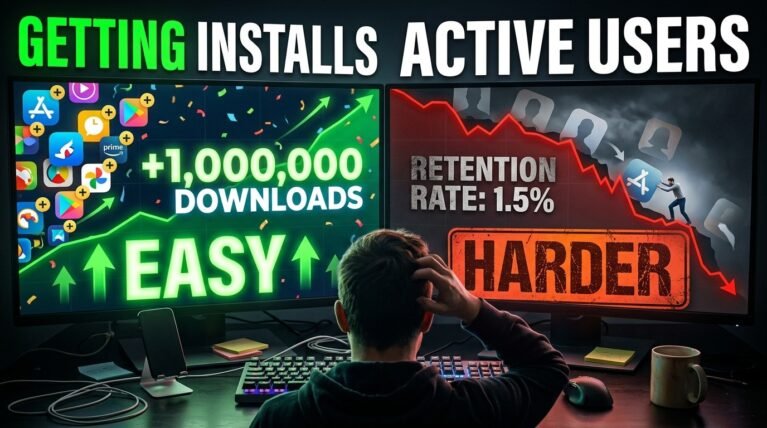
Getting App Installs Is Easy. Getting Active Users Is Harder.
One of the easiest mistakes in mobile advertising is treating an app install as the final goal. Someone can see an ad, download the…
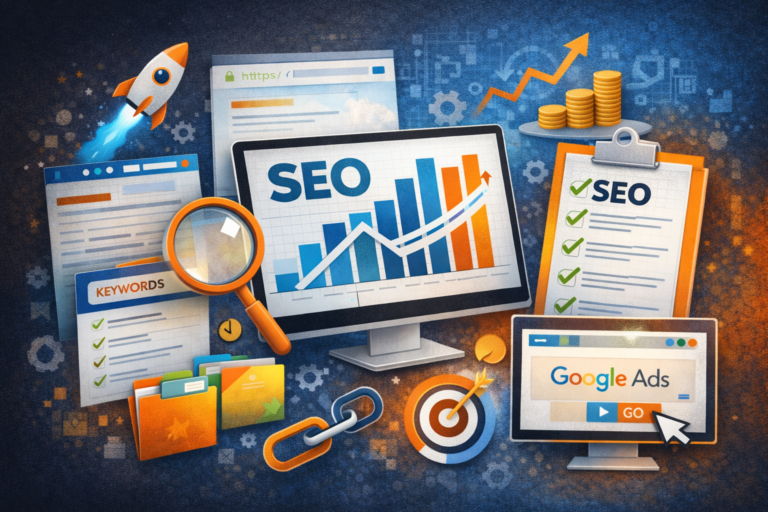
What Is the Difference Between SEO and Digital Marketing?
SEO is an important part of digital marketing, but digital marketing covers a much broader range of online promotional activities. SEO focuses primarily on…
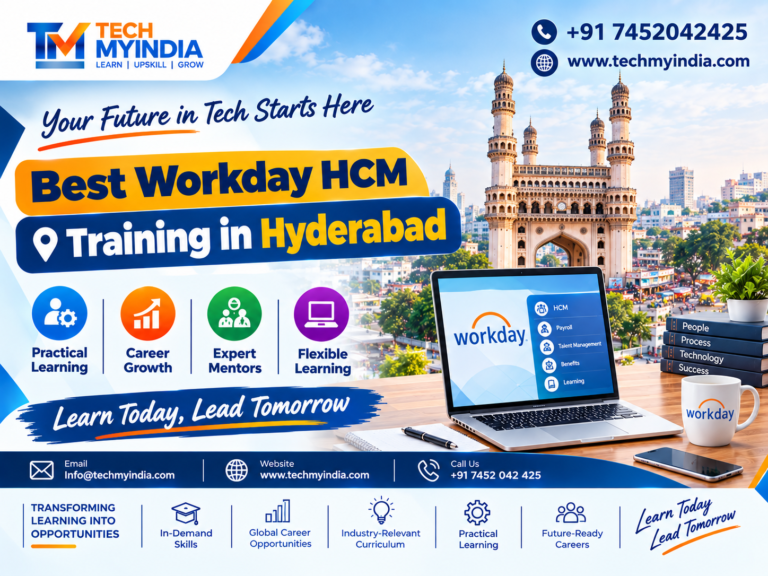
Best Workday HCM Training in Hyderabad: A Route Into HR Tech
The way businesses manage their people is changing. HR is no longer on the back-foot with spreadsheet, disparate applications, and manual data. Companies rely…
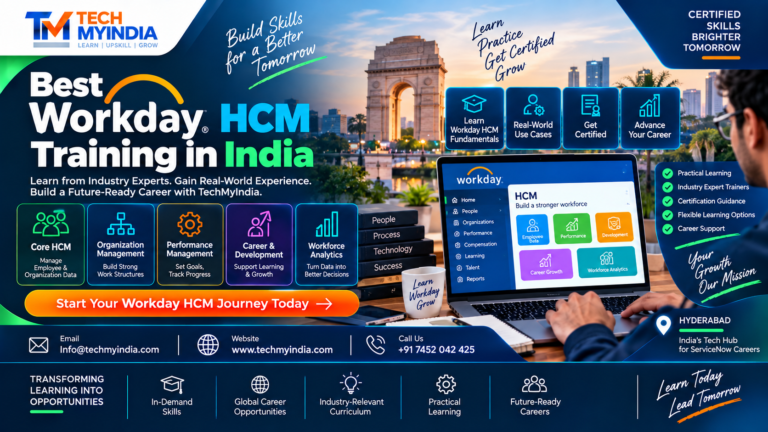
Best Workday HCM Training In India : Transforming HR Knowledge To Cloud Technology Expert
Human resource is transforming towards technology. Today, employee information, organizational change, talent processes, workforce planning, reporting, etc. are being managed in cloud platforms. This…

Takradhara Ayurveda in Bangalore: Procedure, Benefits and Who May Consider It
People searching for Takradhara Ayurveda in Bangalore are often interested in traditional Ayurvedic therapies for relaxation, stress-related concerns, scalp care and general wellness. Takradhara…
Italy Advanced Ceramics Market Expands as USD 484.9 Million Industry Drives Material Innovation Growth
Advanced ceramics are emerging as critical materials in Italy’s transition toward more technology-driven and efficient industries. Offering exceptional strength, heat resistance, electrical insulation, and…