
Published: |Last updated:
Listen to this article
Show Quick ReadConcise summary from this article
How intercity food delivery is connecting people to the food that belongs to the cities they love India's most celebrated food cities built their reputations on something deeper than popularity. They built them on identity. The food that defines Hyderabad did not become iconic because it was widely marketed or conveniently available. It became iconic because it grew directly out of the city's history — out of Mughal courts, Deccani…
Ask AI About This Article
Answers are limited to information in this article.
How intercity food delivery is connecting people to the food that belongs to the cities they love
India’s most celebrated food cities built their reputations on something deeper than popularity. They built them on identity. The food that defines Hyderabad did not become iconic because it was widely marketed or conveniently available. It became iconic because it grew directly out of the city’s history — out of Mughal courts, Deccani traditions, and generations of cooks who passed their knowledge forward through the most reliable method available, which was cooking the same dish correctly until the knowledge lived in the hands rather than on the page. Bengaluru has built its own food identity through a completely different but equally deep set of roots — coastal and Udupi traditions, decades of neighborhood kitchens, a city-wide appreciation for food made with care and seasonal freshness. Both cities have arrived at something that belongs entirely to them, and both have earned the loyalty of everyone who has eaten there long enough to understand what that means.
What this creates, for the large community of food lovers who move between these two cities, is an appetite that their current address sometimes cannot fully answer. The food they want most specifically is the food that belongs to somewhere else — not because their city lacks quality, but because certain dishes carry a sense of origin that only the source can provide. Intercity food delivery was built for exactly this situation: to connect the person with the food that belongs to the city they are not currently in, delivered from the kitchen that has always made it right.
The Pull of a Place-Specific Craving
There is a recognizable difference between wanting food in general and wanting a specific city’s version of it. The first is a mood that any number of good meals can answer. The second is a direction — a craving that points at a particular kitchen in a particular city and declines to be redirected. A person in Bengaluru who has been thinking about a Hyderabadi haleem from a shop that has been feeding the same neighborhood since long before most of its current customers were born is not simply interested in haleem as a category. They are interested in that kitchen’s version of it, shaped by decades of repetition into something that carries the character of the place it comes from.
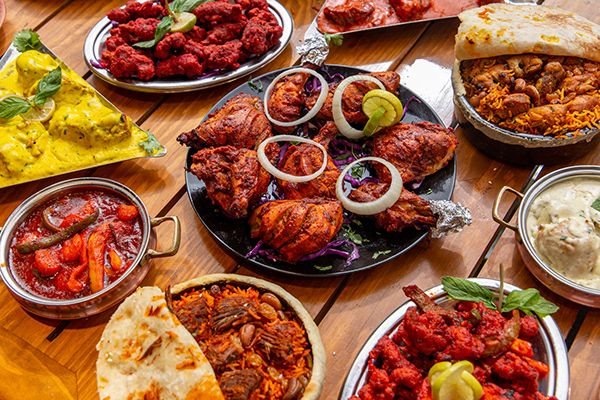
Restaurants that generate this kind of loyalty have earned it through consistency — through producing their signature dish so reliably and so distinctively that their version becomes the personal standard for everyone who has eaten it enough times. Hyderabad is unusually rich in these kinds of kitchens. Its dum biryani restaurants, its haleem shops, its nihari and patthar ka gosht establishments have each built reputations that extend well beyond the city’s own residents. These are the kitchens people in Bengaluru are reaching for when the craving arrives with a specific address attached to it. Intercity food delivery has made that reach possible rather than merely aspirational.
What These Two Cities Bring to Each Other’s Tables
Hyderabad’s cooking tradition approaches food with a patience that shows up in every one of its most iconic dishes. Dum biryani requires an overnight marinade, a carefully sealed vessel, and hours of slow cooking before a grain of rice is ready to be eaten. Haleem asks a full day of the cook — mutton, broken wheat, and lentils simmering together until they become a single unified thing, warmly spiced and deeply satisfying in a way that no shortened version can honestly replicate. Nihari is an overnight preparation by design. Patthar ka gosht carries the specific character of stone-cooked meat. Shikampuri kebabs and marag complete a repertoire built on time, technique, and the kind of accumulated knowledge that only years of repetition produce.
Bengaluru brings its own equally considered food culture to the exchange — rooted in different traditions but equally specific in its character. Its coastal preparations, its Udupi heritage, and the warmth of kitchens that have served the same communities for generations represent a food identity just as worth experiencing at its source. Neither city’s contribution is less than the other. Both are originals. And through intercity food delivery, both are now accessible to the people living in the other.
Why the Food Arrives the Way It Was Intended
The practical concern that precedes any first intercity food order — whether the food will still be worth eating when it arrives — has a reassuring answer when the process is handled well. Hyderabad’s most requested dishes are built on slow cooking, and slow-cooked food is structurally suited to travel. Dum biryani is sealed and rested before it is ever opened. Haleem improves with the time it spends settling after the flame is turned off. Nihari was cooked the night before it was meant to be eaten. A few hours of carefully managed transit between two well-connected cities fits naturally into the timeline these dishes have always required.
What makes the difference between an intercity order that fully delivers and one that falls short is the discipline behind it — fresh preparation timed to each individual order, packaging engineered for multi-hour transit and selected based on the specific dish being transported, and a careful approach to which restaurants are brought onto the platform. Hungersate has made each of these the foundation of how it operates, because the people placing these orders are not placing them carelessly. They are trying to reach something specific, and the experience has to honor that intention from kitchen to doorstep.
The People Behind the Orders
The community placing intercity food orders between Bengaluru and Hyderabad is made up of people whose reasons are as varied as they are genuine. A Hyderabadi who has spent three years building a career in Bengaluru and marks every occasion that matters with an order from the restaurant his family has eaten at for decades. A food-curious Bengalurean who discovered Hyderabadi cuisine through a colleague’s enthusiastic description and has been methodically working through its most iconic dishes ever since. Families in both cities who have developed loyalties to restaurants in the other, discovered through visits and recommendations and the word of people whose food judgment they trust.
What all of these people share is a clear sense of what they are looking for and the understanding that it comes from a specific place. Hungersate connects them to that place — sourcing the food from the kitchens that have always made it best, delivering it with the standards that make the experience genuinely worth having, and doing it consistently enough that a first order reliably becomes a second.
The Food and the People Who Love It Belong Together
Great food deserves to reach the people who appreciate it most, regardless of the distance between them. The dishes that have made Hyderabad and Bengaluru two of India’s most celebrated food cities were not made to stay within city limits — they were made to be eaten and remembered and returned to. Intercity food delivery has built the infrastructure that makes that return possible without requiring the journey. The food is still being made in the same kitchens, with the same care, for the same reasons. It simply travels further now. And for everyone whose appetite has always reached beyond the city they call home, that distance no longer stands in the way.
Promote your articles nowCheck for details
Choose a promotion package
Choose a package below, scan the QR code and pay the displayed amount for 20 days.
After payment, email your article title and payment screenshot to info@yourneeds.asia. Once confirmation is received, one of our administrators will activate the promotion.

Choose where your promoted article receives extra visibility
Promotion changes presentation and placement for the selected period. It does not guarantee traffic, enquiries, search ranking or sales.
Priority visibility in the VIP Lounge, promoted shelves and highlighted article areas.
Top-style highlighting in article directories, homepage feeds and promoted article blocks.
Premium styling across supported article feeds, recommendations and directory placements.
Featured presentation in supported homepage, category, directory and related-article areas.
Build a stronger online presence for your business
Get Your Website for ₹15,000
Are you listed and don't have a website for your business? We can plan, design and launch a responsive website that makes your business easier to understand and contact.
Get My WebsiteSEO Starts from ₹10,000/Month
Improve how your business is presented across Google, local listings and AI-powered search results with ongoing SEO, content and authority-building work.
Improve My VisibilitySuggested Articles
View all articles
Best Tasting Sweet Potato Varieties: Which One Is the Sweetest?
Sweet potatoes are available in many varieties, each with its own balance of sweetness, texture, moisture, and flavor. Some varieties are naturally soft and…
How to Choose the Best Sweet Potato Variety for Your Needs
Sweet potatoes come in many varieties, and each one has different characteristics that make it more suitable for certain recipes, cooking methods, or food…
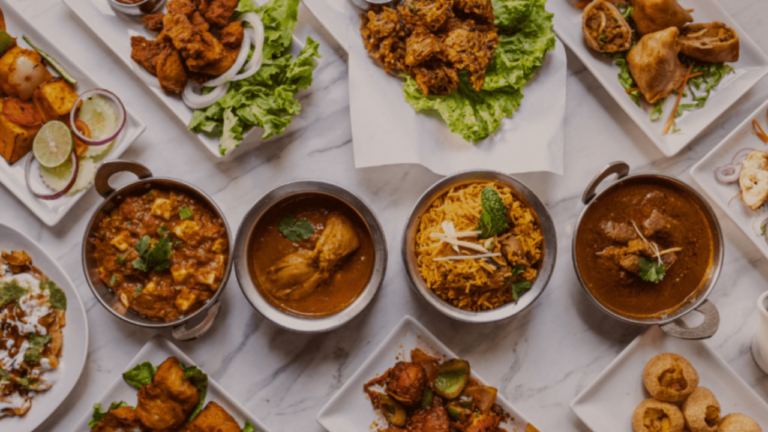
The Anniversary Dinner That Neither of Them Will Ever Forget
Anniversary dinners carry an expectation that grows heavier with each passing year. The first anniversary is forgiving — anything thoughtful feels significant simply because…
The First Order of Intercity Food to Bengaluru and the Silence That Followed It
There is a particular silence that good food produces — different from the silence of an empty room, different from the silence between people…
Latest Blog Posts
View all articles
How to Choose a Reliable Frozen Sweet Potato Fries Supplier?
Choosing the right frozen sweet potato fries supplier is an important decision for distributors, retailers, and foodservice businesses. A reliable supplier should provide consistent…
Ultimate Guide to Buying Frozen Sweet Potato Fries for Foodservice
Introduction Sourcing high-quality frozen sweet potato fries is an important part of successful foodservice operations. Restaurants, foodservice buyers, distributors, and brand managers need to…
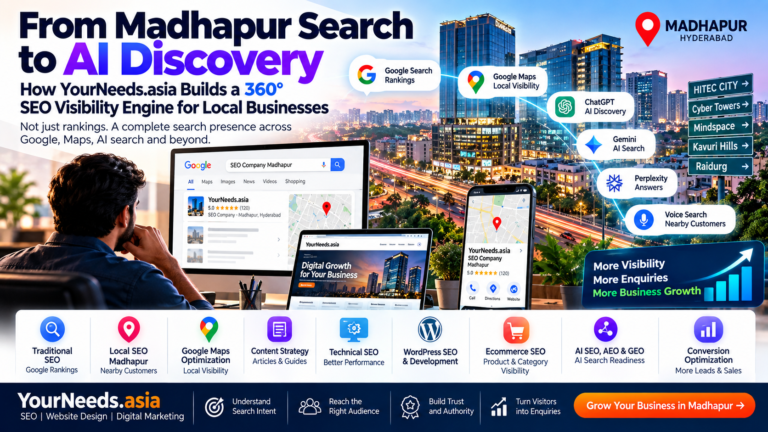
From Madhapur Search to AI Discovery Best SEO Company Madhapur Done it right 2026
From Madhapur Search to AI Discovery: How YourNeeds.asia Builds a 360° SEO Visibility Engine for Local Businesses A customer looking for a business in…
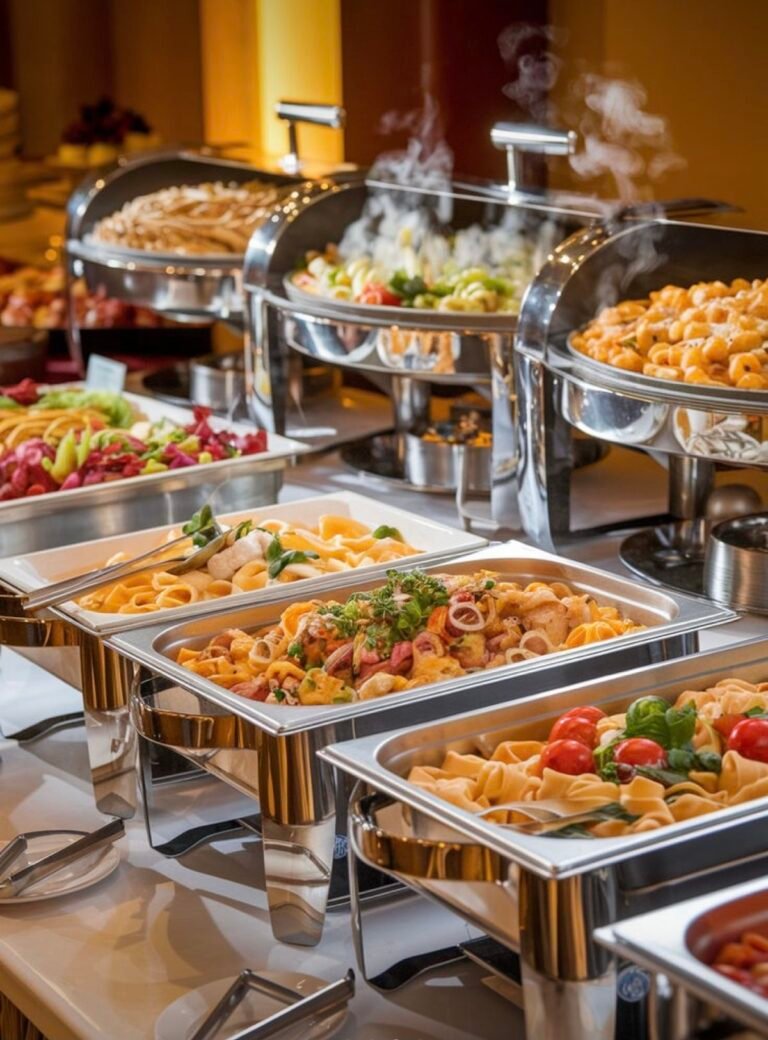
BBQ Catering in Karachi: Delicious Grilled Food for Every Occasion
When it comes to outdoor gatherings and celebrations, BBQ is one of the most popular food choices. From family get-togethers and birthday parties to…

Event Press Release: How to Announce and Promote Your Event | BeritaWire
An event press release is a professional announcement used to share important information about an upcoming event with journalists, news websites, media organizations, customers,…
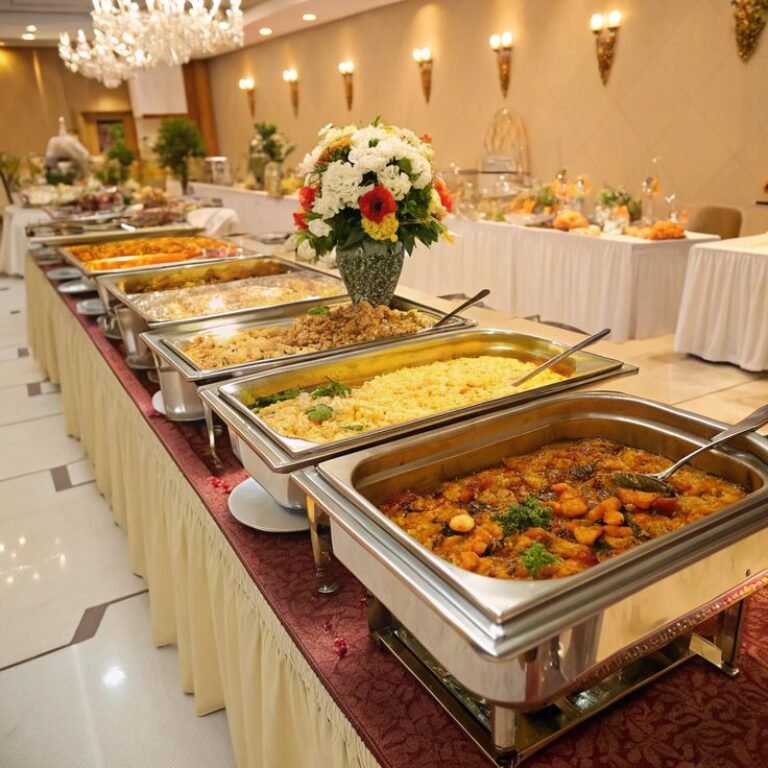
Party Catering in Karachi: Delicious Food for Every Celebration
Planning a party involves many details, but food is one of the most important parts of creating a memorable experience. Whether you are arranging…