
Uzbekistan and the European Union: Strategic Cooperation in Critical Raw Materials and Green Energy
Location/Region: Tashkent City / Samarkand Region, Republic of Uzbekistan
Date: November 2026
Topic Code: Strategic Economy and Energy
Economic and technological relations between the Republic of Uzbekistan and the European Union (EU) have entered a qualitatively new phase in the areas of critical raw materials and green energy. At a time when the global transition to a green economy (Green Transition) is accelerating, the European Union’s demand for sustainable resource supply chains is increasingly aligning with Uzbekistan’s industrial modernization strategy.
1. Strategic Partnership on Critical Raw Materials
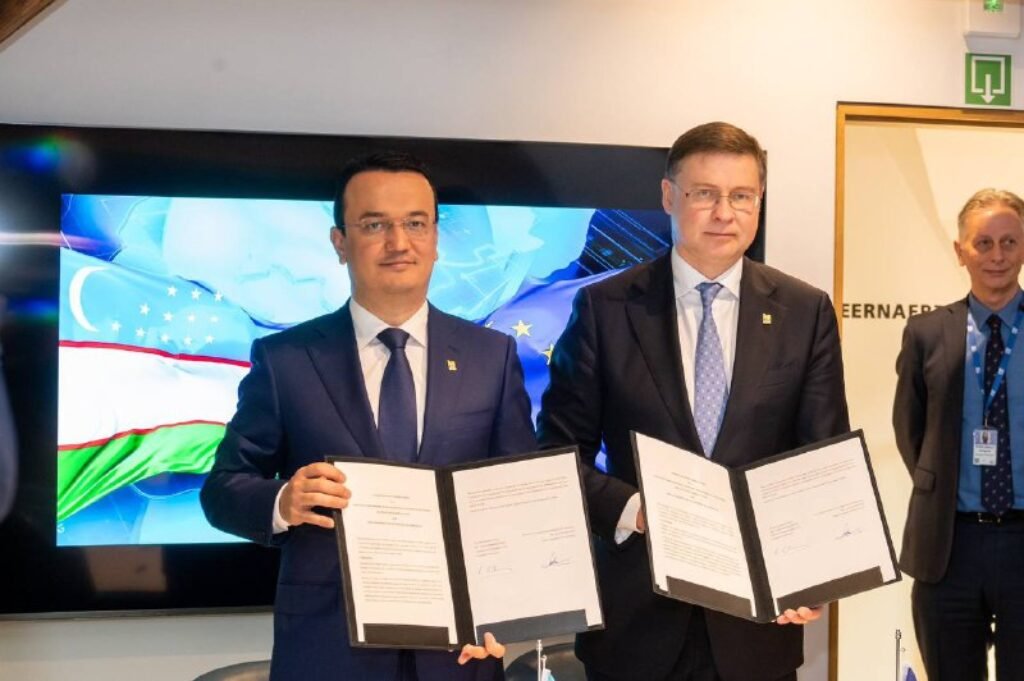
The Memorandum of Understanding on a Strategic Partnership on Critical Raw Materials, signed between the European Union and Uzbekistan, has established the legal and institutional foundation for bilateral supply chains.
Resource Base and Diversification: Mineral resources available in Uzbekistan, including lithium, copper, cobalt, graphite, and molybdenum, are of critical importance to the European Union’s manufacturing industries, particularly in the production of batteries, solar panels, and wind turbines.
Value-Added Supply Chains: Cooperation is not limited to the export of raw materials. It also envisages local processing and the production of finished and semi-finished goods within Uzbekistan, with the involvement of advanced European technologies.
ESG and Environmental Standards: Environmentally friendly technologies aimed at reducing environmental damage, alongside international certification systems, are being gradually introduced in the mining industry.
2. Green Energy and Renewable Energy Sources (RES)
Uzbekistan aims to increase the share of renewable energy to more than 50 percent of the country’s total energy mix by 2030. The European Union is participating as a key technological partner in achieving this target.
Investment Projects: Leading European energy companies, including TotalEnergies, Voltalia, and others, are implementing projects to construct large-scale solar and wind power plants across various regions of Uzbekistan.
Caspian Green Energy Corridor: This strategic initiative, involving Uzbekistan, Kazakhstan, and Azerbaijan, creates opportunities to export green electricity to European markets through submarine cable connections across the Caspian Sea and the Black Sea.
Green Hydrogen Technologies: Pilot projects for producing clean hydrogen using renewable energy sources are being introduced. In the future, these initiatives are expected to help meet the needs of EU member states within the framework of the REPowerEU programme.
Economic
Transfer of advanced technologies, investment, and creation of new jobs.
Diversification of strategic raw material and energy supplies.
Geopolitical
Maintaining a stable balance in foreign trade and partnership relations.
Establishing a reliable and transparent partner in the Central Asian region.
Environmental
Reducing the carbon footprint and promoting decarbonization across industrial sectors.
Achieving established global climate neutrality targets.
The multifaceted cooperation between Uzbekistan and the European Union in the fields of critical raw materials and green energy provides a foundation for long-term, sustainable economic and technological development for both sides.
Sources and References
Official Agreement: Memorandum on a Strategic Partnership on Critical Raw Materials between the Republic of Uzbekistan and the European Union (Strategic Partnership on Critical Raw Materials).
Energy Strategy: Joint reports by the Ministry of Energy of the Republic of Uzbekistan and the European Commission on green energy and renewable energy sources, as well as the development programme extending to 2030.
Regional Reference: Republic of Uzbekistan (Tashkent / Samarkand) – European Union (Brussels).