
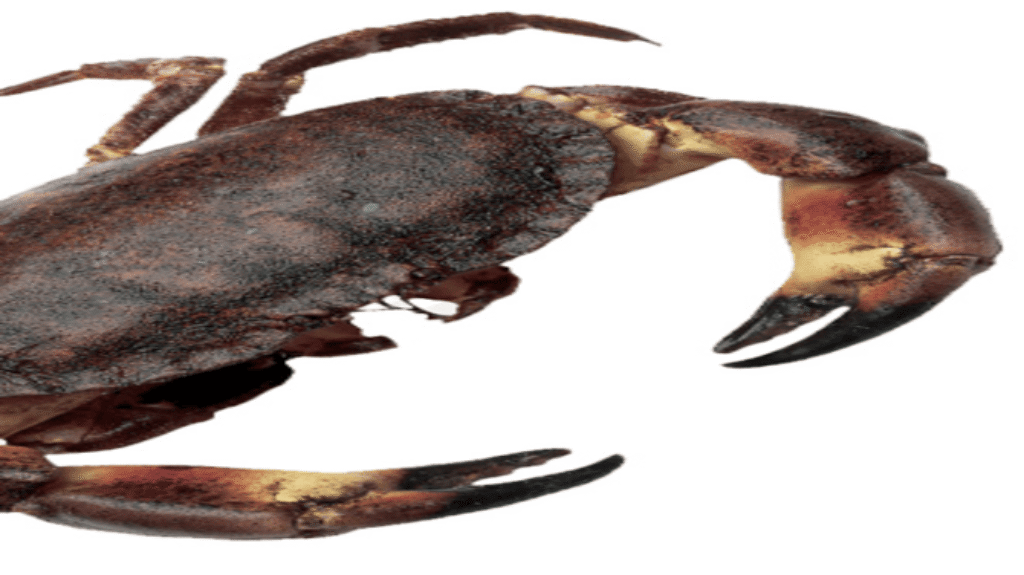
Crab culture is a highly sought-after and economically viable crop for aquaculture businesses. As demand for good seafood continues to rise in both domestic and foreign markets, crab farming presents an exciting prospect of efficient resource utilization, strong market prospects, and income generation. Crab farming can be a profitable venture in modern aquaculture with the right planning and scientific practices.
What makes people interested in crab culture?
The growing popularity of crabs in seafood markets is due to their high value, taste, nutritional content, and premium pricing, which has led to the cultivation of many varieties. The cultivation of crabs can be adapted to specific ponds, coastal zones, and controlled aquaculture systems depending on the type of catch and method of farming.
The growing appetite of consumers for seafood has prompted farmers to explore potential aquaculture businesses. Its high commercial value and lucrative market position have made mud crab culture particularly interesting. Farmers can ensure that their crabs grow well during the culture period by ensuring they are properly stocking, feeding, watering them, and monitoring them regularly.
Choosing the Right Farming Environment.
The cultivation of crabs requires a favorable environment for their growth. Water quality, salinity and temperature, pond conditions, shelter and drainage should be carefully considered before starting a farming operation. A healthy environment with appropriate water conditions can aid in reducing stress and supporting growth.
The ponds must be well-lit before stocking is done. The use of appropriate shelters and hiding places can aid farmers in curbing aggressive behaviour and reducing losses caused by cannibalism. Regular monitoring is beneficial in identifying weak or unhealthy crabs early on.
Smart Feeding for Better Growth.
Crab farming also involves the management of food production. To ensure optimal growth, it is essential to plan feeding schedules for crabs based on their size, stocking density, and developmental stage.
Overfeeding can lead to water quality issues and unnecessary production expenses, whereas insufficient feeding can hinder growth and encourage aggressive behavior. Effective farm management and improved productivity can be achieved through the implementation of balanced feeding practices and regular monitoring.
Crab farming is becoming more efficient due to technological advancements.
Modern aquaculture technologies are changing the way farmers raise crabs.? Farmers can use systems that monitor water quality, improve pond management, enhance feed practices, and stocking methods using scientific techniques.
Professional guidance can be advantageous for those who are new to farming and want to learn about farm preparation, stocking, feeding, disease prevention, and harvesting strategies. Astro Aquaculture offers aquaculture-focused insights and education to help farmers become more organized and productive crab farmers.
Achieving Profitable Crab Farming Opportunities.
The profitability of crab farming is influenced by various factors such as seed quality, survival rate, feed management, production costs, market prices, and harvesting methods. The overall farm efficiency can be enhanced by farmers who prioritize the elimination of unnecessary expenses while maintaining crab health.
Market planning is equally important. Farmers can make better decisions on their production when they consider buyer requirements, seasonal demand, local seafood markets, and potential exports. With careful planning, crab farming from the pond ready to harvest is now a sustainable business.
Conclusion.
The emergence of crab culture within modern aquaculture presents an excellent opportunity for those interested in producing high-value seafood. Responsible management, quality inputs, scientific feeding, and continuous monitoring are all essential for the healthy growth and commercial potential of crab farming under ideal conditions. Smart and sustainable crab cultivation is a key factor in the evolution of aquaculture, as it can help farmers establish efficient operations and move towards long-term success.