
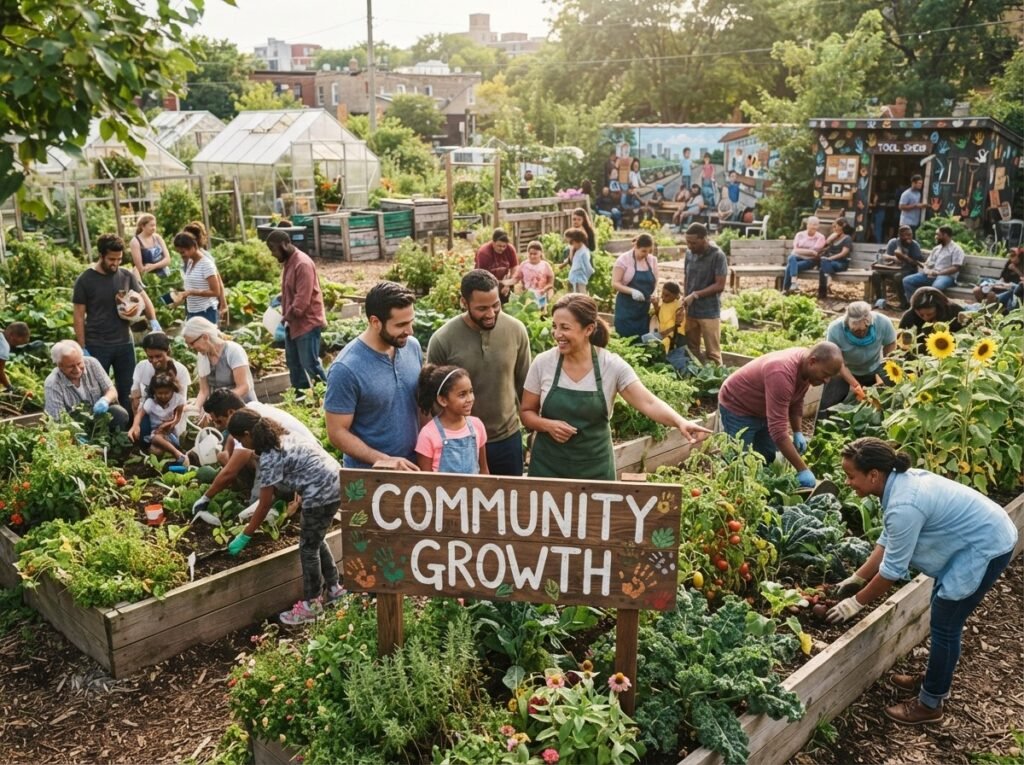
Community Growth is an important part of building a strong and sustainable online presence. Whether you manage a brand community, professional network, social media group, or online customer community, consistent growth can help you reach more people and create stronger relationships with your audience. However, simply increasing the number of members is not enough. A successful community should attract relevant people, encourage meaningful participation, and provide ongoing value.
Modern audiences want more than promotional content. They want useful information, conversations, support, recognition, and opportunities to connect with others who share similar interests. Businesses that understand these expectations can create communities that remain active and valuable over time.
Understanding Community Growth
Community Growth refers to the process of increasing the size, engagement, quality, and overall value of an online community. It includes attracting new members while keeping existing members active and connected.
Growth should not be measured only by membership numbers. An online community with thousands of inactive members may provide less value than a smaller community with regular discussions and meaningful interactions.
Effective Community Growth creates a balance between acquisition and engagement. New members should have clear reasons to join, while existing members should continue receiving enough value to remain involved.
Create a Clear Community Purpose
A strong community needs a clear purpose. People are more likely to join and participate when they understand what the community offers and why it exists.
Define the Value for Members
Start by identifying the primary reason people should become part of your community. The value could come from education, networking, support, exclusive resources, industry discussions, professional opportunities, or shared interests.
Your community description should communicate this value clearly. Avoid vague messaging that makes it difficult for potential members to understand what they will gain.
Build a Specific Community Identity
A specific identity helps attract people who genuinely care about the topic. Instead of trying to appeal to everyone, focus on a defined audience and their interests.
A clear identity also makes it easier to develop relevant content and conversations. Members are more likely to participate when they feel that the community was created specifically for people like them.
Create Valuable and Consistent Content
Content plays an important role in Community Growth because it gives people a reason to visit and participate regularly. Useful content can attract new audiences while encouraging existing members to stay active.
Focus on Audience Needs
Create content based on the questions, challenges, interests, and goals of your target audience. Educational posts, discussions, tutorials, industry insights, case studies, and practical advice can provide ongoing value.
The more closely your content matches member needs, the more likely people are to comment, share, and start conversations.
Maintain a Consistent Publishing Schedule
Consistency helps establish expectations. When members know that useful discussions and content appear regularly, they have more reasons to return.
A consistent schedule does not mean publishing excessively. Quality and relevance should remain more important than volume.
Use Social Media to Attract New Members
Social media can support Community Growth by exposing your community to people who may not know about it yet. Platforms such as Facebook, LinkedIn, Instagram, Reddit, and other relevant networks can become discovery channels.
Promote Community Conversations
Instead of constantly promoting your community directly, share interesting discussions and useful insights from inside the community. This can demonstrate the value of joining without making every post feel promotional.
When potential members see genuine conversations and useful information, they can better understand what the community offers.
Connect Social Content With Your Community
Your social media content should create a natural path toward your community. For example, a short educational post can introduce a topic while the community provides a deeper discussion around it.
This approach allows social media to function as an awareness channel while the community becomes a space for deeper engagement.
Improve Member Onboarding
The first experience a new member has can influence whether they become an active participant. A confusing or inactive environment may cause new members to lose interest quickly.
Make New Members Feel Welcome
A simple welcome message can help new members understand where to begin. Introduce the community purpose, explain important guidelines, and encourage newcomers to participate.
Personalized welcomes can make the experience more human and help members feel that their presence matters.
Give Members an Easy First Action
New members should have a simple opportunity to participate. Asking them to introduce themselves, answer a question, or share their interests can reduce the barrier to engagement. An easy first interaction can help members move from passive observers to active participants.
Encourage Meaningful Engagement
Community Growth depends heavily on engagement. Members should feel comfortable contributing their ideas, asking questions, and responding to other people.
Start Conversations Regularly
Open-ended questions can encourage discussions and provide opportunities for members to share experiences. Topics should be relevant to the community and easy enough for members to understand.
Community managers can also participate in discussions by responding to comments and asking follow-up questions.
Recognize Member Contributions
Recognition can encourage members to remain active. Highlighting useful contributions, thoughtful comments, helpful answers, or community achievements can make members feel appreciated.
Recognition does not always need to involve rewards. A sincere response or public acknowledgment can also strengthen member relationships.
Build a Strong Community Culture
Culture is one of the most important elements of a sustainable community. A positive culture can encourage people to participate while creating a stronger sense of belonging.
Establish Clear Community Guidelines
Clear guidelines help members understand what type of behavior and content are expected. Rules should support respectful communication and protect the quality of discussions.
When guidelines are applied consistently, members can feel more comfortable participating in conversations.
Encourage Member-to-Member Connections
A successful community should not depend entirely on the community manager. Encourage members to answer questions, share experiences, collaborate, and support each other.
Member-to-member relationships can make the community more valuable because participants become part of a network rather than simply an audience.
Use Data to Improve Community Growth
Data can help community managers understand what works and where improvements are needed. Tracking relevant metrics provides a clearer picture of member behavior.
Monitor Engagement Patterns
Look at metrics such as active members, comments, discussions, returning members, and content interactions. These indicators can reveal which topics generate the strongest response.
Instead of focusing only on total membership, examine whether new members are becoming active participants.
Identify Content Trends
Analyze which discussions receive the most meaningful engagement. Popular topics can provide ideas for future content and community activities.
Over time, these insights can help create a more relevant content strategy and improve member satisfaction.
Use Automation Without Losing the Human Element
Automation can make community management more efficient, particularly as a community grows. Automated welcome messages, reminders, notifications, and routine communications can save time.
However, automation should support relationships rather than replace them. Members still expect authentic conversations and human interaction.
A balanced approach combines automation for repetitive tasks with personal communication for important conversations. This can help community managers maintain efficiency while preserving a genuine community experience.
Create Exclusive Experiences
People are more likely to remain engaged when a community provides experiences they cannot easily find elsewhere.
Exclusive webinars, expert discussions, workshops, Q&A sessions, member interviews, downloadable resources, or private networking opportunities can increase perceived value.
Exclusive experiences can also create stronger relationships between members and the brand or organization managing the community.
Turn Existing Members Into Community Advocates
Existing members can become powerful contributors to Community Growth. People often trust recommendations and experiences from other community members more than direct promotional messages.
Encourage satisfied members to invite relevant people, share community content, participate in discussions, and contribute their expertise.
The goal should not be to pressure members into promotion. Instead, create such a valuable experience that members naturally want to recommend the community to others.
Retain Members for Sustainable Growth
Attracting new members is only one part of Community Growth. Retention is equally important because a community that constantly loses members must continually replace them.
Regular engagement, valuable content, recognition, meaningful discussions, and responsive management can help maintain member interest.
Community managers should also pay attention to declining activity. If members stop participating, understanding the reasons can help improve the overall experience.
Conclusion
Community Growth requires more than increasing membership numbers. Sustainable growth comes from attracting the right audience, providing consistent value, encouraging meaningful conversations, and creating an environment where members feel connected.
A clear community purpose, valuable content, social media promotion, effective onboarding, member recognition, strong culture, data analysis, and thoughtful automation can all contribute to long-term growth.
The most successful communities continue evolving according to member needs. By listening to your audience and consistently improving the community experience, you can build an active online community that supports stronger relationships, engagement, and business growth.
Frequently Asked Questions
1. What is Community Growth?
Community Growth is the process of expanding an online community while improving member engagement, participation, retention, and overall value.
2. Why is Community Growth important?
Community Growth can help businesses build stronger relationships with their audience, increase engagement, improve loyalty, and create a network of active members.
3. How can I grow an online community?
You can grow an online community by creating valuable content, promoting it through relevant channels, improving onboarding, encouraging discussions, and providing consistent member value.
4. Is membership size the most important growth metric?
No. Membership size is useful, but active participation, retention, discussions, returning members, and meaningful engagement can provide a better understanding of community health.
5. How does content support Community Growth?
Relevant content gives members reasons to participate and can attract new audiences through search engines, social media, and community sharing.
6. How can social media help grow a community?
Social media can introduce your community to new audiences. Sharing useful content and interesting discussions can encourage relevant users to explore and join the community.
7. What makes members stay in an online community?
Members are more likely to stay when they consistently receive value, participate in meaningful conversations, build relationships, and feel recognized within the community.
8. Can automation help with Community Growth?
Yes. Automation can support repetitive activities such as welcome messages, reminders, notifications, and routine communications while community managers focus on meaningful interactions.
9. How can I increase community engagement?
You can increase engagement by asking relevant questions, starting discussions, recognizing contributions, creating exclusive experiences, and responding actively to members.
10. How long does Community Growth take?
The timeline varies depending on the audience, niche, platform, content strategy, and level of engagement. Consistent value and ongoing community management are generally more important than rapid short-term growth.