
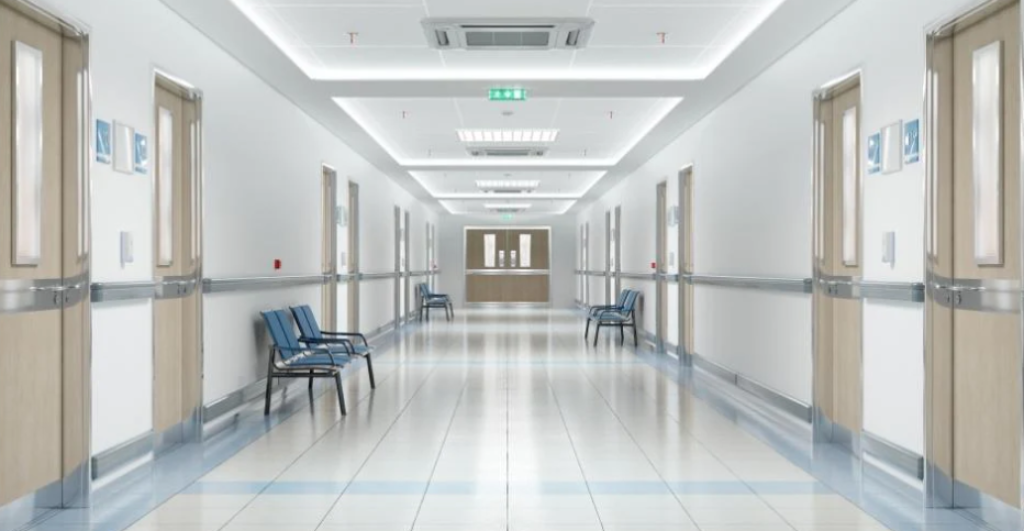
Healthcare environments demand a higher standard of cleanliness than any other commercial space. In Australia, medical centres, GP clinics, and hospitals operate under strict hygiene protocols to minimise infection risks and ensure patient safety. Yet many facility managers underestimate how specialised medical cleaning truly is—until compliance issues or health risks arise.
If you’re managing a healthcare facility, understanding the exact cleaning requirements is essential—not just for compliance, but for protecting patients, staff, and your reputation.
Why Medical Cleaning Is Different from Standard Commercial Cleaning
Medical centres are high-risk environments where pathogens can spread quickly. Unlike general office cleaning, healthcare cleaning must focus on infection control, cross-contamination prevention, and regulatory compliance.
Surfaces such as examination beds, waiting room chairs, door handles, and medical equipment are frequently touched by multiple individuals throughout the day. Without proper cleaning protocols, these become hotspots for bacteria and viruses.
In cities like Sydney, where patient turnover is high, services such as medical cleaning Sydney are increasingly specialised to meet these evolving demands.
Regulatory Standards for Medical Cleaning in Australia
Medical cleaning in Australia is governed by guidelines set by authorities such as:
- The National Health and Medical Research Council (NHMRC)
- Australian Commission on Safety and Quality in Health Care (ACSQHC)
These organisations provide detailed frameworks for infection prevention and control.
Key compliance requirements include:
- Use of hospital-grade disinfectants
- Colour-coded cleaning systems to prevent cross-contamination
- Proper waste segregation (general, clinical, sharps)
- Documented cleaning schedules and audits
- Staff training in infection control procedures
Failure to comply can result in penalties, reputational damage, or even closure in severe cases.
Critical Areas That Require Special Attention
Not all areas in a medical centre carry the same level of risk. High-touch and high-risk zones require more frequent and intensive cleaning.
- Clinical Areas
Treatment rooms, consultation rooms, and procedure areas must be disinfected after each patient. This includes:
- Examination tables
- Medical instruments
- Benchtops and sinks
- Waiting Rooms
These spaces see constant foot traffic. Regular sanitisation of chairs, counters, and shared surfaces is essential to reduce transmission risks.
- Bathrooms
Healthcare bathrooms require frequent cleaning using strong disinfectants to eliminate harmful pathogens.
- Reception and Administrative Areas
While lower risk, these areas still require consistent cleaning to maintain overall hygiene standards.
For smaller suburban clinics, including those needing medical center cleaning Leichhardt, tailored cleaning schedules are often designed based on patient volume and services offered.
Best Practices for Effective Medical Cleaning
Achieving compliance is only part of the equation. The real goal is creating a consistently safe environment.
Use of Hospital-Grade Disinfectants
Standard cleaning products are not sufficient. Approved disinfectants must be used to kill a broad spectrum of microorganisms, including viruses and bacteria.
Colour-Coded Cleaning Systems
Different coloured cloths and mops are used for separate areas (e.g., red for bathrooms, blue for general areas). This reduces the risk of cross-contamination.
High-Frequency Cleaning Schedules
High-touch surfaces should be cleaned multiple times a day. In busy clinics, this can mean hourly disinfection.
Staff Training and PPE
Cleaning staff must be trained in infection control and use personal protective equipment (PPE) such as gloves and masks.
Waste Management Protocols
Medical waste must be handled according to strict guidelines, including secure disposal of sharps and contaminated materials.
The Role of Professional Medical Cleaning Services
Many healthcare providers are now outsourcing to specialised cleaning companies rather than relying on general cleaners.
Here’s why:
- Expertise in compliance standards
- Access to medical-grade equipment and chemicals
- Trained staff familiar with healthcare environments
- Consistent quality assurance and audits
Professional providers offering medical cleaning Sydney services often customise cleaning plans based on the facility type—whether it’s a dental clinic, pathology lab, or multi-specialty centre.
Common Challenges Medical Centres Face
Even with protocols in place, several challenges persist:
Inconsistent Cleaning Standards
Without proper supervision, cleaning quality can vary between staff or shifts.
Time Constraints
Busy clinics may struggle to clean thoroughly between patients, increasing contamination risks.
Lack of Documentation
Audits and compliance checks require proper records. Missing documentation can lead to compliance issues.
Budget Limitations
Some facilities cut corners on cleaning to save costs, which often leads to higher long-term risks.
Emerging Trends in Medical Cleaning (2026 and Beyond)
Healthcare cleaning is evolving rapidly with new technologies and heightened awareness post-pandemic.
Electrostatic Disinfection
This technology ensures even coverage of disinfectants on surfaces, improving effectiveness.
UV-C Sanitisation
Used in high-risk areas, UV-C light helps eliminate pathogens that traditional cleaning might miss.
Data-Driven Cleaning
Digital tracking systems now monitor cleaning frequency, ensuring accountability and compliance.
Eco-Friendly Disinfectants
There is a growing shift towards sustainable, non-toxic cleaning solutions that are safe for patients and staff.
Practical Recommendations for Medical Centre Owners
If you’re managing or owning a medical facility, here’s how you can improve your cleaning standards:
- Conduct regular cleaning audits and inspections
- Partner with specialised healthcare cleaning providers
- Implement strict infection control protocols
- Train staff continuously on hygiene practices
- Invest in modern cleaning technologies
These steps not only ensure compliance but also enhance patient trust and satisfaction.
Creating a Safer Healthcare Environment
Medical cleaning is no longer just an operational task—it’s a critical component of healthcare delivery. Patients today are more aware and expect visibly clean and hygienic environments.
By adopting structured cleaning protocols, leveraging professional expertise, and staying aligned with Australian standards, medical centres can significantly reduce infection risks while improving overall patient experience.
For facilities across metropolitan and suburban areas alike, from large hospitals to clinics requiring medical center cleaning Leichhardt, the focus should always remain on consistency, compliance, and care-driven cleanliness.