
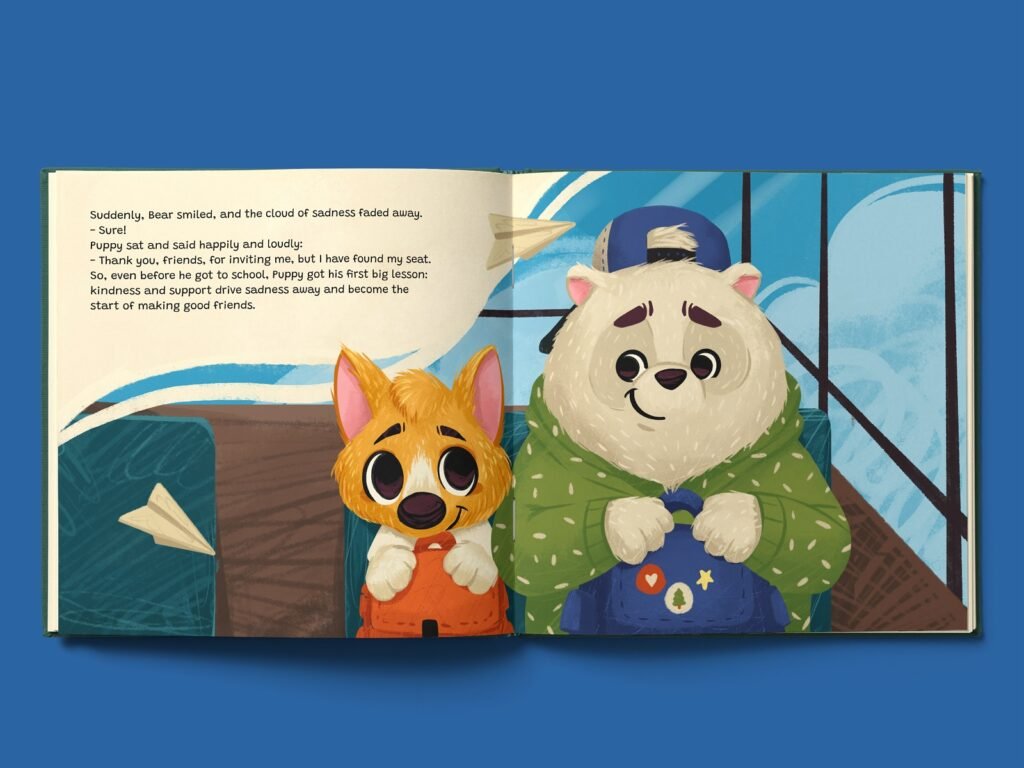
When people think about books, they usually imagine written words filling the pages and creating a story through descriptions, conversations, and events. However, illustrations can add another dimension to the reading experience. A carefully created image can communicate emotions, introduce a setting, or reveal details that words alone might not fully express.
From children’s picture books to illustrated novels, visual elements can influence how readers understand and remember a story. They are not simply decorations. When used thoughtfully, illustrations become part of the storytelling itself.
Creating a Visual Connection With the Story
One of the most noticeable benefits of illustrations is their ability to help readers imagine the world within a book.
A written description might introduce a character walking through an unfamiliar forest. An illustration can show the surrounding trees, the appearance of the landscape, and the atmosphere of the scene.
These visual details give readers another way to connect with the author’s ideas. They can also make unfamiliar settings easier to understand, particularly when the story introduces places or situations that readers have never experienced.
Expressing Emotions Without Words
Facial expressions, body language, and visual surroundings can communicate feelings in powerful ways.
An illustration showing a character sitting alone in an empty room may suggest loneliness without requiring a lengthy explanation. A simple image of two people smiling at each other can communicate warmth, friendship, or relief.
Readers may interpret these details differently depending on their own experiences. This creates opportunities to engage with a story beyond its written dialogue.
Sometimes, a single image can make an emotional moment more memorable.
Helping Readers Understand Characters
Visual representations can help readers develop a clearer picture of the people within a story.
The way a character dresses, stands, moves, or interacts with their surroundings can provide clues about their personality and circumstances.
Illustrations can also reveal details that are not directly mentioned in the text. A character might appear confident in conversation while their expression suggests uncertainty.
These visual details encourage readers to pay attention and consider what might be happening beneath the surface.
Making Complex Ideas Easier to Understand
Illustrations are useful beyond fictional storytelling. Educational and informational books often use diagrams, maps, drawings, and visual examples to explain subjects that may otherwise be difficult to understand.
For example, a science book can use illustrations to show how a particular process works. A history book might include maps to help readers understand the location of important events.
Visual information can support written explanations and give readers another way to approach unfamiliar concepts. Research on picture books also highlights how words and illustrations can work together to develop meaning and support understanding. <Cite refs={[“turn349830search0″,”turn349830search4”]}/>
Encouraging Imagination and Interpretation
Interestingly, illustrations do not always provide every answer. Sometimes they introduce details that encourage readers to look more closely.
An image might contain an object that becomes important later in the story. Another illustration might show a character’s surroundings in a way that creates questions about their situation.
Readers can notice different things depending on their interests and attention. Two people reading the same illustrated book may focus on completely different visual details.
This freedom of interpretation makes the experience more personal and engaging.
Why Visual Consistency Matters
When a book includes illustrations throughout its pages, consistency can help maintain a connected reading experience.
Characters should remain recognizable, and the visual style should support the atmosphere of the story. Sudden changes in appearance or artistic direction may distract readers if they do not have a clear purpose.
The placement of images also matters. An illustration should complement the surrounding text rather than interrupt an important moment without reason.
A thoughtful relationship between written content and visual design allows both elements to contribute naturally to the narrative.
Appreciating Books Beyond Their Words
Readers can develop a deeper appreciation for illustrated books by taking time to examine the images instead of immediately moving to the next page.
Notice the colours, expressions, backgrounds, and small details. Consider what an illustration communicates that the written text does not directly explain.
This approach can be especially enjoyable when revisiting a familiar book. Details that were overlooked during the first reading may become more noticeable with time.
Readers interested in exploring different forms of storytelling and literary experiences can discover the collection at CM Publishing House.
Final Thoughts
Illustrations give books another way to communicate ideas, emotions, and experiences. They can make fictional worlds more vivid, support the understanding of complex subjects, and encourage readers to interpret stories from different perspectives.
The relationship between words and images can make a book more engaging without taking away the importance of its writing.
A memorable reading experience is not always created through words alone. Sometimes, the details found in a single illustration stay with readers just as long as the story itself.