
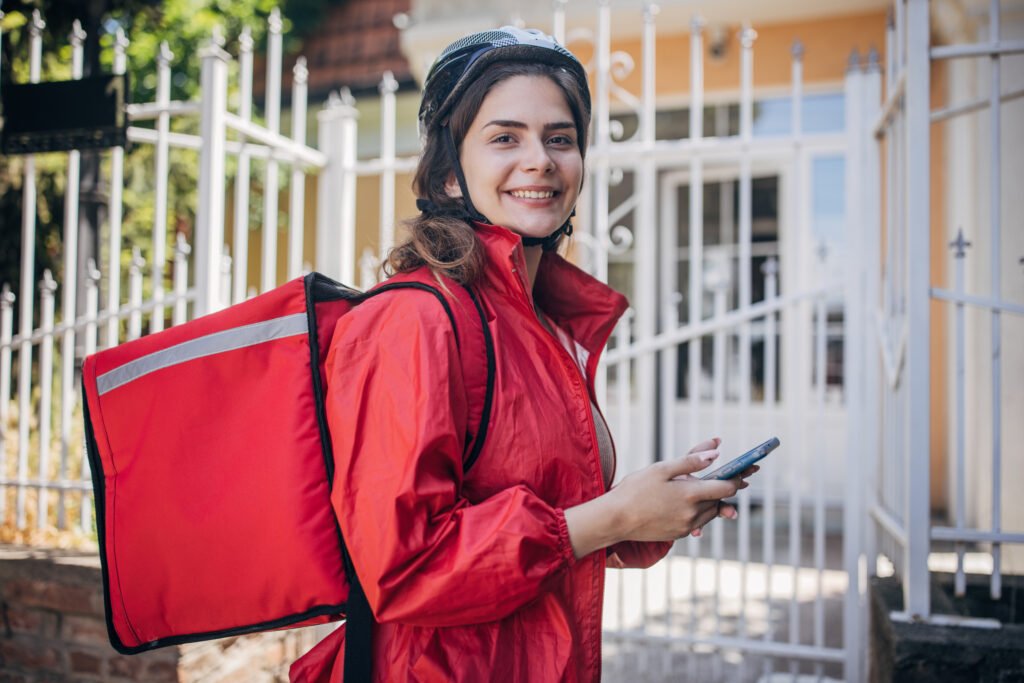
There’s something almost poetic about a hot meal travelling over 500 kilometres and arriving at your doorstep still warm, still smelling the way it should, still tasting like it was just plated. That’s not a fantasy anymore — that’s what Hungersate does, every single day.
If you haven’t heard of Hungersate yet, here’s the short version: they’ve figured out how to make intercity food delivery actually work. Not just technically, but in a way that feels personal. Like someone packed your food with care, handed it to a trusted traveller, and made sure it reached you the same way it left.
The Distance Problem Nobody Solved — Until Now
For years, the idea of ordering food from a city 500+ kilometres away was either a joke or a logistical nightmare. You could get packaged snacks. You could get dry foods. But fresh meals? Hot meals? Meals that needed refrigeration or careful handling? That was asking too much.
The challenge isn’t just distance — it’s time, temperature, and trust. Most delivery models are built around the idea that food travels 5 km, maybe 10 km, in under 40 minutes. Stretch that to 570 km and everything breaks. Packaging fails. Temperature drops. Food spoils. And by the time it arrives, you’re not eating dinner — you’re eating disappointment.
Hungersate looked at this problem and decided to engineer their way through it instead of around it.
How They Actually Pull It Off
The Hungersate model isn’t just about pickup and drop. It’s an end-to-end system that’s been thought through at every stage, from the moment a restaurant partner begins preparing an order to the second it’s handed to you.
It starts with timing. Orders are coordinated around actual travel schedules — buses, trains, and dedicated intercity vehicles that run on fixed routes between cities like Bengaluru and Hyderabad. Food is prepared to align with departure windows, which means nothing is sitting in a holding room for hours before it moves.
Then there’s the packaging. Anyone who’s ever received a soggy salad or a crushed pastry knows that how food is packed matters just as much as how it’s cooked. Hungersate works with temperature-controlled packaging that keeps food in the right conditions throughout the journey. Hot stays hot. Cold stays cold. Delicate items are cushioned and secured so they arrive in one piece.
And the people handling your food? They’re not random couriers picking up gig work. They’re trained, accountable, and part of a system that tracks every order from origin to destination.
The Route That Started It All: Bengaluru to Hyderabad
The 570 km stretch between Bengaluru and Hyderabad is one of South India’s busiest intercity corridors. Millions of people travel between these two cities every month — for work, for family, for festivals. Food is deeply tied to identity here, and people who move between cities often carry that food culture with them.
Hungersate built their operations around this corridor first, and it’s easy to see why. The demand was always there. A Hyderabadi living in Bengaluru who craves authentic biryani from a specific restaurant back home. A Bengalurean in Hyderabad who misses their favourite filter coffee and idlis from a specific street corner. These aren’t exaggerated desires — they’re real, and they’re felt intensely.
By cracking this route, Hungersate didn’t just launch a business. They unlocked a connection between two food cultures that people genuinely care about.
Real-Time Tracking, Real Peace of Mind
One of the quieter but meaningful parts of the Hungersate experience is knowing where your food is. Real-time order tracking means you’re not just hoping your food makes it — you’re watching it move. You get updates at key stages of the journey, and by the time your delivery is close, you know it.
This transparency is something food delivery, especially over long distances, has historically lacked. Hungersate treats it as a standard, not a feature.
What Makes This More Than a Delivery Service
Beyond the logistics, Hungersate is doing something culturally interesting. They’re making regional food accessible without making it generic. The dishes you order through them come from actual kitchens — restaurants and home cooks who know their craft. There’s no centralised cloud kitchen homogenising everything.
That means when you order Pesarattu from Hyderabad or a Bengaluru-style Masala Dosa, you’re getting the real thing, made by people who’ve been making it for years.
Food is one of the strongest threads connecting people to home. Hungersate has recognised that and built a delivery system around that emotional reality — not just around operational efficiency. The result is a service that feels like it genuinely understands what food means to people.
And across 570 kilometres, that understanding travels just as well as the food itself.