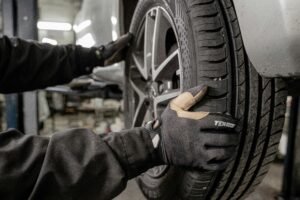

France’s tyre industry is influenced by its extensive vehicle fleet, established automotive manufacturing base, and demand for reliable road transportation. Passenger cars, light commercial vehicles, heavy goods vehicles, and buses generate requirements for tyres with different performance, durability, and load characteristics. The sector is also adapting to changing vehicle technologies, environmental expectations, and consumer preferences for products that combine safety, efficiency, and longer service life. Manufacturers, distributors, and retailers are responding through product innovation and adjustments to their supply and distribution strategies.
A market assessment by Markntel Advisor examines the France Tire Market over the 2026–2032 forecast period, covering industry trends, consumer insights, competitive developments, supply chains, and growth opportunities. The study considers factors such as electric vehicle adoption, demand for sustainable and fuel-efficient tyre solutions, and regulatory developments relating to safety and environmental performance. Its France tyre industry outlook provides an overview of the forces shaping the sector, including replacement demand, original equipment requirements, technological developments, and the competitive landscape.
Vehicle Fleet Supports Replacement Requirements
The size and composition of France’s vehicle fleet influence demand for replacement tyres. Passenger cars account for a substantial share of tyre consumption, while commercial vehicles require products designed for higher loads, frequent journeys, and varied operating conditions. Tyres must be replaced as they wear, making maintenance and replacement an ongoing requirement for private motorists and fleet operators.
According to France’s Service des données et études statistiques (SDES), approximately 39.7 million passenger cars were in circulation at the beginning of 2025, with an average vehicle age of 11.5 years. An ageing fleet can sustain demand for maintenance and replacement components, including tyres. The official French vehicle fleet statistics provide further information about vehicle numbers, age, and engine types.
Electric Mobility Influences Tyre Innovation
The adoption of electric vehicles is introducing additional requirements for tyre manufacturers. Electric vehicles can have different weight distributions, torque characteristics, and noise profiles from conventional vehicles. These characteristics influence product development, particularly in relation to load capacity, rolling resistance, durability, grip, and road noise.
France recorded more than 330,000 new battery-electric passenger vehicle sales in 2025, representing approximately 20% of new passenger car registrations, according to RTE’s 2025 electricity review. This development illustrates the growing relevance of electric-vehicle-compatible products. The electric vehicle tyre innovation trend is encouraging manufacturers to explore specialised rubber compounds, reinforced structures, and designs intended to balance efficiency with performance. Further details are available in RTE’s review of transport electrification.
Sustainability and Tyre Performance Standards
Environmental considerations are influencing tyre design, manufacturing, and product selection. Manufacturers are exploring materials and production processes intended to improve durability, reduce resource consumption, and support more efficient vehicle operation. Low rolling resistance is particularly relevant because it can help reduce the energy required to move a vehicle, supporting fuel efficiency in conventional vehicles and driving range in electric models.
The European Union’s tyre labelling framework provides consumers with information about key performance characteristics, including rolling resistance, wet grip, and external rolling noise. These indicators help buyers compare products based on efficiency, safety-related performance, and noise. The European Commission’s tyre labelling information outlines the applicable requirements and the information that distributors must make available to consumers.
Technological Developments in Tyre Manufacturing
Manufacturers are investing in product engineering and material research to respond to changing vehicle requirements. Advances in rubber compounds, tread patterns, reinforcement materials, and manufacturing processes can influence traction, wear resistance, handling, and overall product performance. These developments are relevant to both replacement tyres and original equipment supplied to vehicle manufacturers.
Smart tyre technologies represent another area of innovation. Sensors and connected monitoring systems can provide information about pressure, temperature, and operating conditions. Such data can help drivers and fleet managers monitor tyre condition and plan maintenance. Wider adoption will depend on affordability, compatibility with vehicle systems, reliability, and the practical benefits offered to users.
Distribution Channels and Competitive Landscape
France’s tyre distribution network includes manufacturers, importers, wholesalers, specialist retailers, independent garages, automotive service centres, and online platforms. These channels help connect products with private motorists, commercial fleets, and vehicle manufacturers. Retailers and service providers also contribute through tyre fitting, inspection, balancing, and maintenance services.
Competition is influenced by product quality, pricing, brand reputation, distribution reach, and after-sales support. Suppliers must also manage raw material costs, logistics, regulatory requirements, and changing customer expectations. The ability to provide suitable products across different vehicle categories remains important for participants operating in the French tyre sector.
Outlook
France’s tyre industry is expected to evolve alongside changes in vehicle ownership, electric mobility, sustainability priorities, and automotive technology. Replacement requirements remain an important source of demand, while electric-vehicle-compatible designs, improved material technologies, and smart monitoring solutions are shaping product development. Manufacturers, distributors, and retailers will continue adapting to performance expectations, environmental standards, and changing vehicle requirements through 2032.