
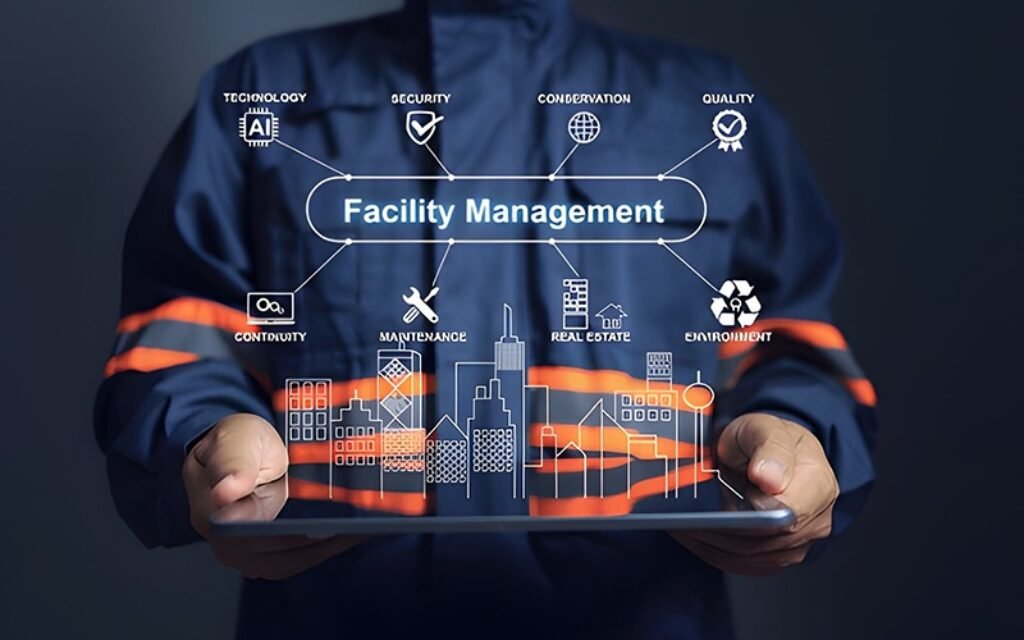
Facility management in Dubai has changed considerably over the past few years, moving from basic reactive maintenance toward a data-driven, sustainability-conscious discipline. As the city continues to grow its commercial and residential footprint, facility management services in Dubai are being reshaped by regulation, technology, and shifting tenant expectations. Understanding these trends helps property owners and facility managers make smarter, forward-looking decisions rather than defaulting to legacy service models.
Trend 1: Smart Building Technology Is Becoming Standard
Building Management Systems (BMS) that automate HVAC, lighting, and energy monitoring are increasingly expected not just in new developments, but retrofitted into existing commercial towers. FM providers are being asked to manage and interpret data from these systems, not just perform manual inspections.
What this means for property owners: FM contracts increasingly need to include data monitoring and system integration capability, not just technician visits.
Trend 2: Sustainability Requirements Are Tightening
Dubai’s Clean Energy Strategy and green building initiatives are pushing energy audits, waste segregation, and consumption reporting from “nice to have” into contractual expectations, particularly for commercial and mixed-use developments seeking green certifications or meeting corporate ESG commitments.
What this means for property owners: Facility management services in Dubai now commonly include energy and waste management as a core scope item, not an optional add-on.
Trend 3: Integrated Service Models Are Replacing Multi-Vendor Setups
Property owners are increasingly consolidating hard services, soft services, and even security under a single FM contract rather than managing multiple specialized vendors. This reduces coordination overhead and improves accountability particularly valuable for commercial towers and mixed-use developments with complex operational needs.
What this means for property owners: Evaluating FM providers now often means assessing breadth of capability, not just price per service line.
Trend 4: Preventive Maintenance Is Becoming Data-Driven
Rather than fixed-interval servicing schedules, more providers are shifting toward condition-based maintenance using sensor data and usage patterns to time interventions more precisely, reducing both unnecessary servicing and unexpected breakdowns.
Trend 5: Rising Standards for Soft Services in High-Traffic Environments
Retail, hospitality, and F&B properties in Dubai are demanding higher-frequency cleaning and hygiene protocols, particularly around high-touch surfaces and food-adjacent areas a trend that’s raised the baseline expectation for corporate cleaning contracts across the board.
Trend 6: Security Increasingly Coordinated Within FM Contracts
Rather than managing security as a fully separate function, more commercial and residential properties in Dubai are coordinating guarding schedules, access control, and visitor management directly with their facility management provider to reduce scheduling conflicts and improve incident response consistency.
How Providers Are Adapting
Forward-looking facility management services in Dubai increasingly bundle technology-enabled reporting, sustainability practices, and integrated service delivery into a single framework. Libra Group UAE reflects this shift, structuring its Dubai facility management offering around integrated maintenance, cleaning, and energy-conscious practices aligning with where the market is heading rather than offering a static, legacy service model.
What Property Owners Should Do Now
- Audit your current FM contract against these trends does it include energy monitoring, data reporting, and integrated services?
- Ask providers about condition-based maintenance capability, not just fixed PPM schedules.
- Request sustainability reporting as a standard contract deliverable, not a special request.
- Consider consolidating vendors if you’re currently managing security, cleaning, and maintenance separately.
Frequently Asked Questions
Is smart building technology now standard in Dubai facility management? It’s becoming increasingly common, particularly in newer commercial developments, though adoption varies by building age and owner investment in retrofitting.
Why is sustainability becoming a bigger part of FM contracts in Dubai? Dubai’s Clean Energy Strategy and green building initiatives, combined with rising corporate ESG expectations, are pushing energy and waste management from optional to contractually standard.
What is condition-based maintenance? It’s a maintenance approach that uses sensor data and usage patterns to time servicing based on actual equipment condition, rather than following a fixed calendar schedule.
Should security be included in a facility management contract in Dubai? Increasingly, yes — coordinating security with cleaning and maintenance under one provider improves scheduling and accountability, though some properties still prefer to manage security separately.
Conclusion
Facility management services in Dubai are evolving quickly, driven by sustainability mandates, smart technology adoption, and a shift toward integrated, single-provider service models. Property owners who align their FM contracts with these trends rather than sticking with legacy, reactive arrangements are better positioned for both cost efficiency and long-term asset value.