
Why Event Marketing Matters
Event marketing remains one of the most effective ways for businesses to connect with their target audience, build brand awareness, and create meaningful customer relationships. Whether hosted online or in person, events provide opportunities for direct engagement that many other marketing channels cannot replicate.
Understanding Your Audience
Successful event campaigns begin with a deep understanding of the audience. Learning about attendee interests, challenges, and expectations helps marketers create relevant experiences that encourage participation and increase overall satisfaction. A well-targeted event delivers greater value for both organizers and attendees.
Creating Memorable Event Experiences
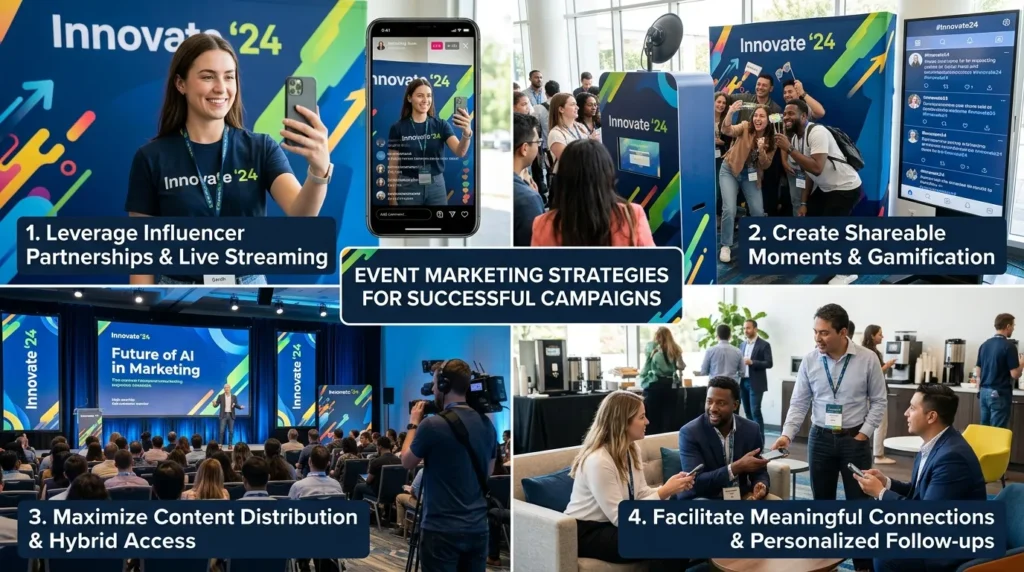
Modern attendees expect more than presentations and speeches. Interactive experiences, immersive storytelling, live demonstrations, and personalized activities can make an event more engaging and memorable. These experiences help strengthen brand connections and encourage attendees to share their experiences with others.
Using Social Media to Increase Reach
Social media platforms play an important role throughout the event lifecycle. Promotional content before the event can generate excitement and registrations, while live updates during the event keep audiences engaged. After the event, highlights, photos, and attendee feedback help extend the conversation and increase brand visibility.
Extending Value with Post-Event Content
The impact of an event should continue after it ends. Repurposing event content into blog posts, videos, interviews, and social media updates allows businesses to reach a wider audience and maximize the return on their investment. Post-event content also helps maintain engagement with attendees.
Measuring Event Marketing Success
Tracking performance is essential for improving future campaigns. Key metrics such as attendance, audience engagement, lead generation, and return on investment provide valuable insights into event effectiveness. Reviewing these results helps marketers identify opportunities for growth and optimization.
Building Long-Term Brand Relationships
The most successful event marketing strategies focus on creating lasting connections rather than short-term engagement. By delivering value, encouraging interaction, and maintaining communication after the event, businesses can strengthen customer loyalty and build long-term relationships that support future growth.
Conclusion
Effective event marketing combines strategic planning, audience understanding, and engaging experiences. By focusing on attendee needs and delivering memorable interactions, businesses can create successful events that increase brand awareness, generate leads, and support long-term marketing objectives.