
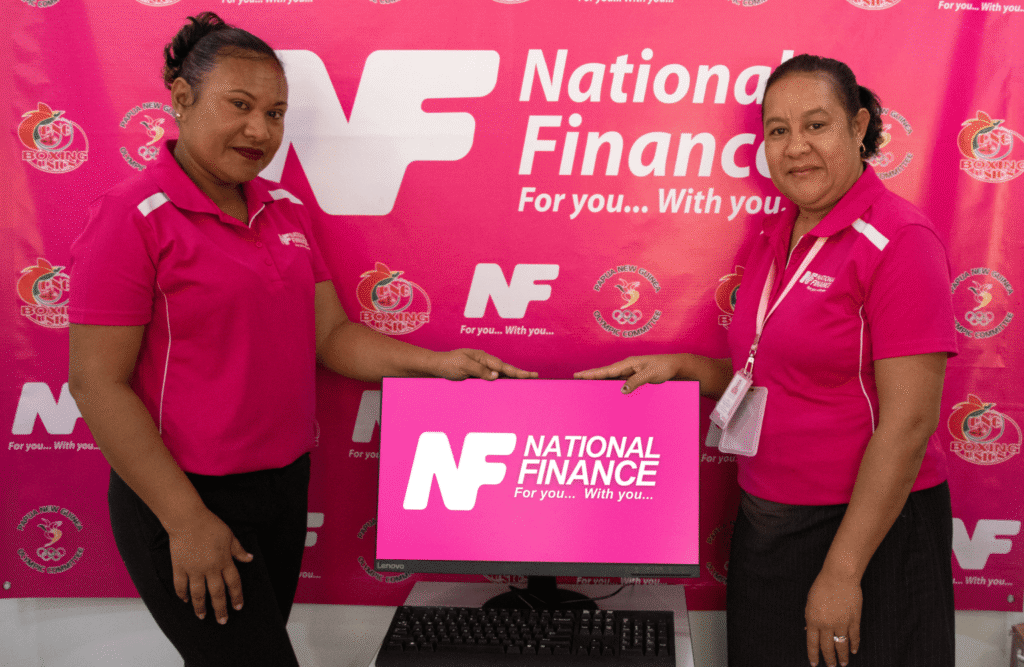
Every parent wants the best start for their child, and in Papua New Guinea, that ambition often comes with real financial planning. The government’s Tuition Fee Free (TFF) policy helps reduce the burden of school fees, but it doesn’t always cover everything — uniforms, school projects, learning materials, and other contributions frequently fall to parents to manage.
Because these costs aren’t always predictable, many families find it hard to budget accurately for the school year ahead. The earlier you understand what’s involved, the easier it becomes to plan with confidence instead of reacting under pressure.
What’s at Stake When School Gets Postponed
Choosing to delay a child’s education might look like a way to ease short-term financial strain. But that choice tends to create its own set of costs — some financial, some not.
Career opportunities take longer to reach. School is where children develop the skills and knowledge that shape their future working lives. A delay in schooling often means a delay in reaching those milestones too.
Fees don’t get cheaper with time. Many parents assume waiting will ease the financial pressure. In reality, education costs tend to rise, meaning a delay now can mean paying more later.
Falling behind brings its own expenses. Extended time away from the classroom can leave children needing tutoring or extra support to catch up — costs that weren’t part of the original plan.
There’s more than academics at play. Regular schooling helps children build confidence, friendships, and social skills. A long break can affect these too, sometimes requiring extra support down the line.
A Practical Approach to School Loans
When the numbers don’t quite add up, a school loan can help bridge the gap. National Finance (NF) offers loan options designed with PNG families in mind — but as with any borrowing decision, it pays to go in with a clear plan.
Start with an honest look at your budget. Understand your income and regular expenses first, so you know what you can realistically afford to repay.
Only borrow what you need. It can be tempting to over-borrow “just in case,” but matching your loan to your actual education costs keeps repayments manageable.
Understand the full terms before signing. Interest rates, fees, and repayment periods all shape the real cost of a loan — so it’s worth reviewing these carefully rather than rushing in.
Factor in the extras. School costs go beyond tuition — think uniforms, excursions, and project fees. Planning for these upfront avoids mid-year financial stress.
Keep repayments on track. Staying consistent with your repayment schedule protects your credit standing and makes it easier to borrow again in future, if needed.
Ask questions when you need to. Speaking with an NF sales officer can help clarify your options and match you with a loan that suits your specific situation.
Don’t Wait for “The Right Time” — Plan for It
The true cost of delaying education isn’t always visible upfront, but it shows up eventually — in lost time, added expenses, or missed opportunities.
A school loan from National Finance offers a way to move forward now, rather than putting your child’s education on hold. With a realistic budget, the right loan size, and a solid repayment plan, you can support your child’s schooling without compromising your family’s financial stability.