
Diabetes and Heart Disease: Understanding the Critical Connection
Diabetes and heart disease are two of the most common chronic health conditions worldwide, and they are closely connected. People living with diabetes have a significantly higher risk of developing cardiovascular problems, including coronary artery disease, heart attack, heart failure and stroke. Understanding the relationship between diabetes and heart disease is an important step towards protecting long-term health and preventing serious complications.
How Does Diabetes Affect the Heart?
Diabetes occurs when the body has difficulty regulating blood sugar, also known as blood glucose. Over time, consistently high blood sugar levels can damage blood vessels and the nerves that help control the heart and circulatory system.
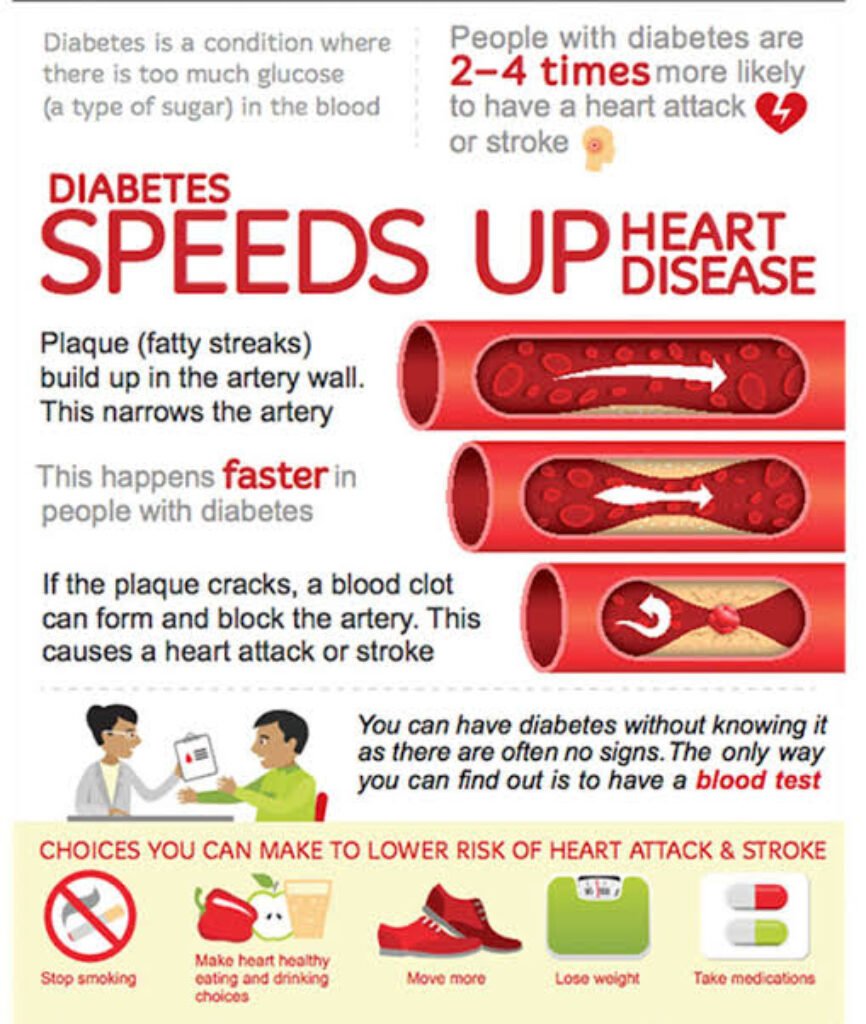
High blood glucose may contribute to inflammation and damage to the lining of blood vessels. This can make it easier for fatty deposits, known as plaque, to build up inside the arteries. As arteries become narrower and less flexible, blood flow to the heart can be reduced, increasing the risk of cardiovascular disease.
Diabetes is also commonly associated with other risk factors, such as high blood pressure, unhealthy cholesterol levels, excess body weight and physical inactivity. When several of these factors occur together, the risk of heart disease can increase further.
Common Types of Heart Disease Linked to Diabetes
People with diabetes may face a higher risk of several cardiovascular conditions.
Coronary Artery Disease
Coronary artery disease develops when the blood vessels that supply oxygen-rich blood to the heart become narrowed or blocked. Reduced blood flow can cause chest discomfort, shortness of breath and, in severe cases, a heart attack.
Heart Attack
A heart attack occurs when blood flow to part of the heart muscle is suddenly blocked. Because diabetes can damage blood vessels and accelerate plaque buildup, it may increase the likelihood of this serious emergency.
Heart Failure
Heart failure does not mean that the heart has stopped working. It means that the heart cannot pump blood as effectively as the body needs. Diabetes can increase the risk of heart failure by affecting the heart muscle and contributing to conditions such as high blood pressure and coronary artery disease.
Stroke
Diabetes can also increase the risk of stroke by damaging blood vessels and encouraging the development of blockages. A stroke occurs when blood flow to part of the brain is interrupted or reduced.
Warning Signs to Take Seriously
Symptoms of heart disease can vary from person to person. Common warning signs may include:
- Chest pain, pressure or discomfort
- Shortness of breath
- Unusual tiredness or weakness
- Dizziness or light-headedness
- Pain or discomfort in the arm, shoulder, neck, jaw or back
- Rapid or irregular heartbeat
- Swelling in the feet, ankles or legs
People with diabetes may sometimes experience less typical symptoms because nerve damage can affect how pain is felt. For this reason, unexplained shortness of breath, severe fatigue, nausea or sweating should not be ignored.
If you think you may be experiencing symptoms of a heart attack or stroke, seek emergency medical help immediately.
Key Risk Factors
Several factors can increase the risk of heart disease in people with diabetes, including:
- Persistently high blood sugar
- High blood pressure
- High LDL cholesterol
- Low HDL cholesterol
- High triglycerides
- Smoking
- Excess body weight
- Physical inactivity
- An unhealthy diet
- Family history of cardiovascular disease
- Increasing age
Having one risk factor does not guarantee that someone will develop heart disease. However, managing multiple risk factors can make a meaningful difference to overall cardiovascular health.
How to Reduce the Risk of Heart Disease
Manage Blood Sugar Levels
Keeping blood glucose within the target range recommended by a healthcare professional is one of the most important parts of diabetes management. Regular monitoring, a balanced diet, physical activity and prescribed medication can all play a role.
Eat a Heart-Healthy Diet
A diet rich in vegetables, fruits, whole grains, legumes, nuts and other minimally processed foods can support both heart health and blood sugar management. Choosing lean protein sources and healthy fats may also be beneficial.
It is generally helpful to limit foods high in added sugars, excessive sodium, saturated fat and highly refined carbohydrates.
Stay Physically Active
Regular physical activity can help improve cardiovascular fitness, support healthy blood sugar levels and assist with weight management. Walking, cycling, swimming and strength training are examples of activities that may be suitable, depending on an individual’s health and fitness level.
Control Blood Pressure and Cholesterol
High blood pressure and unhealthy cholesterol levels can increase the strain on the cardiovascular system. Regular health checks and appropriate treatment can help manage these important risk factors.
Avoid Smoking
Smoking damages blood vessels and significantly increases the risk of heart disease and stroke. For people with diabetes, avoiding tobacco can be one of the most important steps towards protecting cardiovascular health.
Take Prescribed Medication as Directed
Some people with diabetes may need medication to manage blood sugar, blood pressure or cholesterol. It is important to take prescribed medicines as directed and discuss any concerns or side effects with a qualified healthcare professional.
The Importance of Regular Check-Ups
Regular medical check-ups can help identify potential cardiovascular problems before they become more serious. Depending on individual needs, healthcare professionals may monitor blood pressure, cholesterol, blood sugar levels, kidney function and other indicators of cardiovascular health.
Early detection and appropriate management can play an important role in reducing the risk of serious complications.
Final Thoughts
The connection between diabetes and heart disease is clear, but having diabetes does not mean that heart disease is inevitable. Managing blood sugar, blood pressure and cholesterol, staying physically active, eating a nutritious diet and avoiding smoking can all help support better cardiovascular health.
Small, consistent lifestyle changes can have a powerful long-term impact. By working closely with healthcare professionals and taking a proactive approach to diabetes management, individuals can reduce risk factors and take meaningful steps towards protecting both their heart and overall health.