
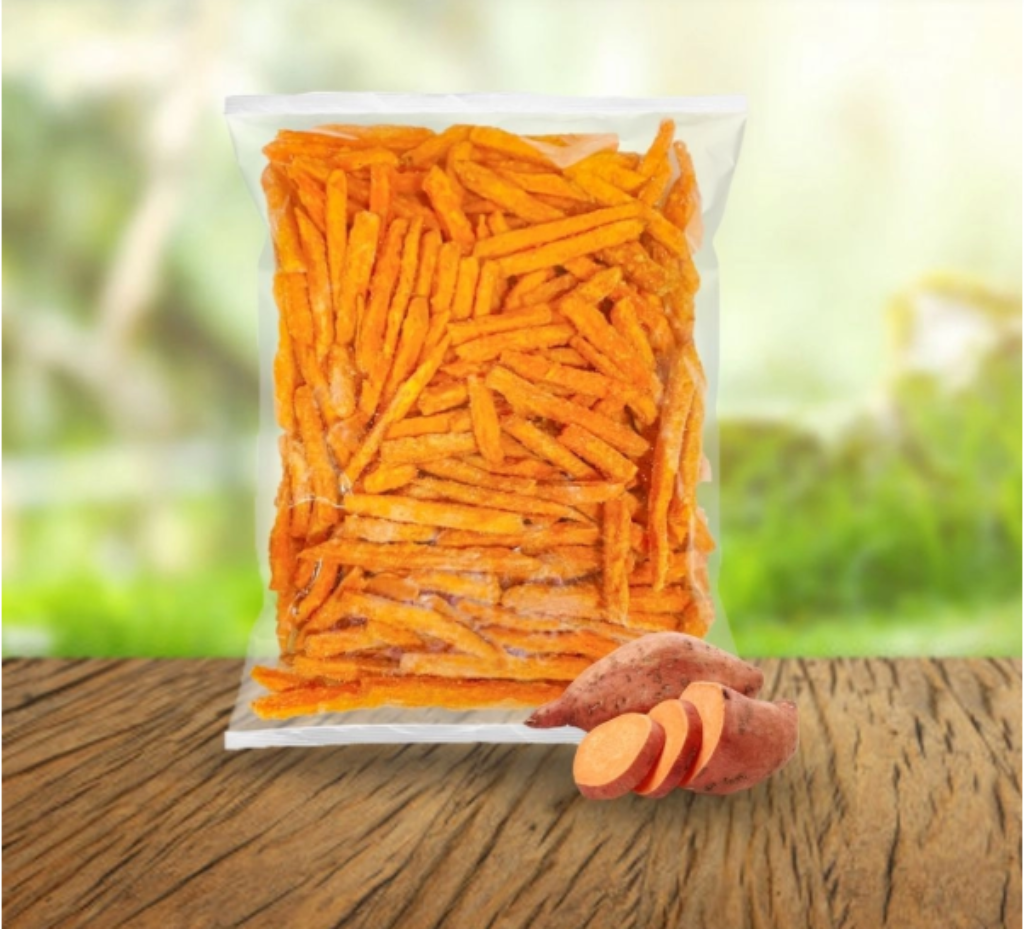
Sweet potatoes come in many varieties, and each one has different characteristics that make it more suitable for certain recipes, cooking methods, or food products. Choosing the right variety depends on factors such as texture, sweetness, color, size, shape, and intended use. For businesses looking for a frozen sweet potato fries supplier, understanding these differences can also help them evaluate product quality and select the right type of sweet potato for their needs.
Whether you are buying sweet potatoes for home cooking, restaurants, foodservice, or commercial food production, knowing how different varieties perform can help you make a better and more informed choice.
Consider the Sweet Potato’s Color
One of the easiest ways to distinguish sweet potato varieties is by their flesh color. Different colors can provide different flavors, textures, nutritional characteristics, and visual appeal.
Common sweet potato flesh colors include:
- Orange
- White
- Yellow
- Purple
Orange-fleshed sweet potatoes are among the most popular varieties because they generally have a naturally sweet flavor and soft texture when cooked. Varieties such as Beauregard and Covington are commonly used for cooking and food processing.
White- and yellow-fleshed varieties tend to have a firmer and sometimes drier texture, making them suitable for different recipes. Purple sweet potatoes are especially popular for their distinctive appearance and are often used in specialty dishes and products where color is an important factor.
The best color ultimately depends on the intended application and the preferences of your customers.
Look at Texture and Sweetness
Texture and sweetness are two important factors when choosing the best sweet potato variety. Some varieties become soft and creamy after cooking, while others maintain a firmer texture.
Before selecting a variety, consider:
- Natural sweetness
- Moisture level
- Firmness
- Texture after cooking
- Flavor profile
- Consistency between batches
For baked or mashed dishes, a naturally sweet variety with a soft and creamy texture may be preferred. On the other hand, applications that require cutting, frying, or processing may benefit from varieties that provide good firmness and consistent texture.
For commercial food production, consistency is particularly important because differences in moisture, size, and texture can affect processing efficiency and the final product.
Choose a Variety Based on Its Intended Use
The best sweet potato variety depends largely on how you plan to use it. Different varieties can perform differently depending on the cooking or processing method.
For example:
- Baking: Soft, naturally sweet varieties are often a good choice.
- Roasting: Varieties that develop a rich flavor and caramelized surface can work well.
- Mashed sweet potatoes: Varieties with a smooth and creamy texture are generally preferred.
- Sweet potato fries: Firm varieties with suitable moisture and starch characteristics can provide better processing and cooking results.
- Food manufacturing: Commercial production requires varieties that offer consistent size, quality, yield, and processing performance.
For restaurants and foodservice businesses, selecting the right variety can also influence cooking time, appearance, texture, and customer satisfaction.
When choosing sweet potatoes for a commercial application, it is therefore important to start with the final product in mind rather than selecting a variety based only on appearance.
Consider Popular Sweet Potato Varieties
There are many sweet potato varieties available, and each can have different characteristics. Some varieties are more suitable for general cooking, while others may be preferred for processing or specific food applications.
Examples include:
- Beauregard: Known for its orange flesh, sweetness, and versatility.
- Covington: Often recognized for its sweet flavor and smooth texture.
- Jewel: A popular orange-fleshed variety suitable for baking and cooking.
- Hannah: A lighter-colored variety with a firmer and drier texture.
- Garnet: Known for its deep orange-red flesh and naturally sweet flavor.
- Japanese sweet potatoes: Typically have a firmer, starchier texture and a naturally sweet taste.
The best variety is not necessarily the one with the highest sweetness or the most attractive color. Instead, it should be the variety that provides the characteristics required for the intended application.
Check Size, Shape, and Quality
Size and shape can also influence the suitability of sweet potatoes for different applications. Commercial buyers and food processors often look for raw materials that meet consistent specifications.
Important quality factors include:
- Uniform size
- Suitable shape
- Firmness
- Fresh appearance
- Minimal bruising or damage
- Consistent quality
- Proper storage and handling
Uniform sweet potatoes can make processing easier and help reduce waste, especially when the product needs to be cut into specific shapes or sizes.
For sweet potato fries, consistent raw material can be particularly important because differences in size, moisture, and firmness may affect cutting, frying, cooking time, and final appearance.
Consider Processing and Frozen Products
If sweet potatoes are going to be processed into frozen products, the variety should be selected carefully. Processing, freezing, storage, and cooking can all affect the final texture, color, and appearance of the product.
For businesses sourcing frozen sweet potato products, it is important to work with a supplier that understands product specifications and commercial quality requirements.
A reliable frozen sweet potato fries supplier should be able to provide consistent products while meeting requirements related to quality, processing, packaging, storage, and supply.
When evaluating a supplier, buyers may want to consider:
- Product specifications
- Raw material quality
- Processing standards
- Packaging options
- Storage conditions
- Production capacity
- Export experience
- Supply consistency
- Ability to meet bulk orders
These factors can help businesses choose frozen sweet potato products that are suitable for their target customers and foodservice requirements.
For restaurants, distributors, retailers, and foodservice companies, consistency from one shipment to another is especially important. A supplier that can maintain stable product specifications can help businesses reduce operational issues and provide customers with a consistent eating experience.
Match the Variety to Your Business Needs
Choosing the right sweet potato variety should always be based on the specific requirements of your business. A variety that works well for baking may not necessarily be the best option for producing frozen fries.
Before making a decision, consider:
- What final product are you producing?
- What texture and sweetness do you need?
- What size and shape are required?
- Will the product be processed or sold fresh?
- What cooking method will customers use?
- How important is consistency between batches?
- What volume does your business require?
Answering these questions can make it easier to identify the most suitable sweet potato variety and product specifications.
Conclusion
Sweet potatoes come in many varieties, and each one has different characteristics that make it more suitable for certain recipes, cooking methods, or food products. Choosing the best sweet potato variety depends on factors such as texture, sweetness, color, size, shape, and intended use. For businesses looking for a frozen sweet potato fries supplier,
understanding these factors can help ensure that the selected product meets the desired quality, processing, and cooking requirements.
By matching the characteristics of each sweet potato variety with the intended application and working with a reliable supplier, buyers can achieve better consistency, reduce processing challenges, and provide high-quality products to their customers.