
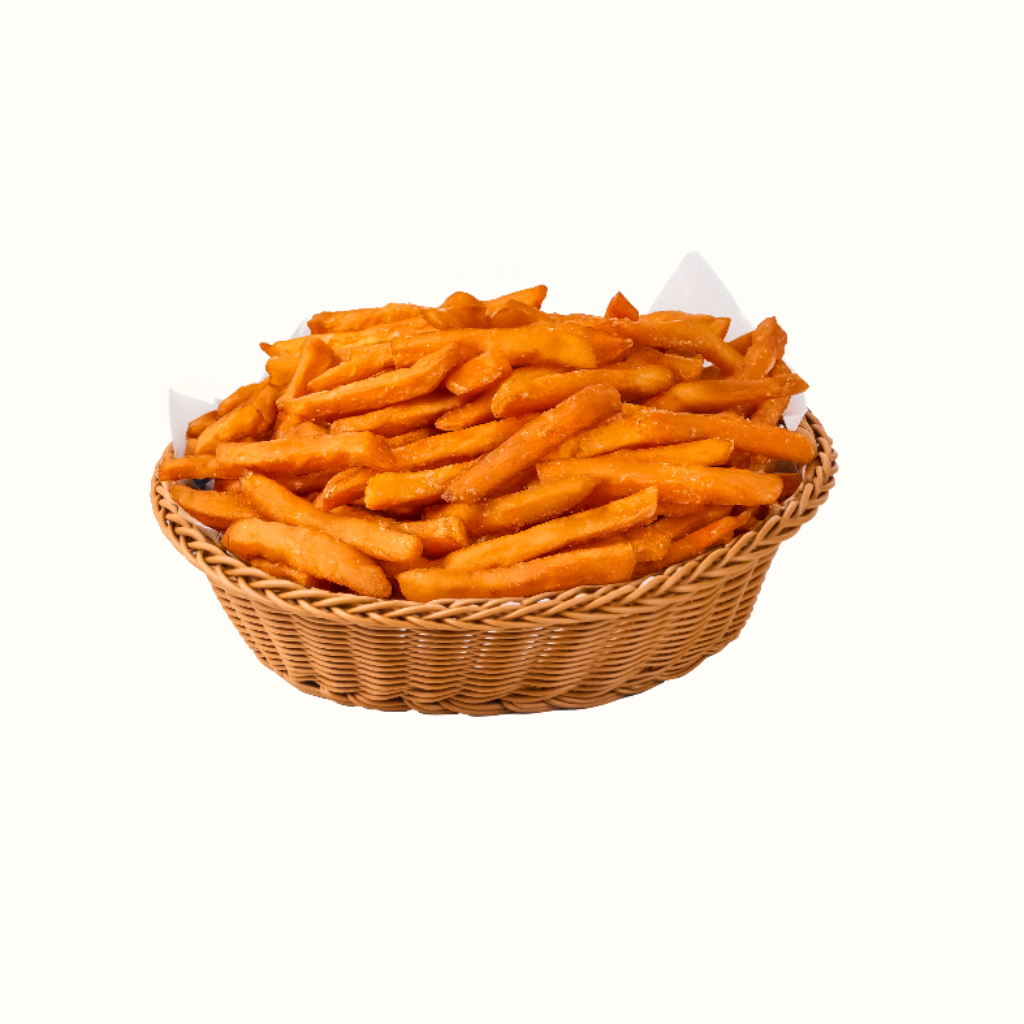
Sweet potatoes are available in many varieties, each with its own balance of sweetness, texture, moisture, and flavor. Some varieties are naturally soft and sweet after cooking, while others have a firmer, starchier texture and a more subtle taste.
Choosing the best-tasting sweet potato depends largely on how you plan to use it. A variety that works well for baking may not necessarily provide the ideal texture for fries, roasting, or commercial food processing.
For foodservice businesses and buyers working with a frozen sweet potato fries supplier, understanding the differences between sweet potato varieties can also help when evaluating flavor, consistency, and processing performance.
What Makes Sweet Potatoes Taste Sweet?
The sweetness of a sweet potato does not depend on variety alone. Several factors can influence its final flavor, including maturity, storage, moisture content, and the way it is cooked.
During cooking, some of the starches naturally present in sweet potatoes are converted into sugars. This process can make the final product taste noticeably sweeter.
Factors that may influence sweetness include:
- Sweet potato variety
- Natural sugar content
- Growing conditions
- Maturity at harvest
- Storage conditions
- Moisture level
- Cooking method
Cooking techniques such as baking and roasting can highlight the natural sweetness of sweet potatoes because prolonged heat encourages browning and flavor development.
For commercial applications, however, flavor is only one part of the equation. Buyers may also need to consider firmness, consistency, color, moisture, and how well the product performs during processing.
Which Sweet Potato Varieties Are the Sweetest?
There is no single sweet potato variety that will always be the sweetest under every growing or cooking condition. However, several varieties are commonly appreciated for their naturally sweet flavor.
Garnet Sweet Potatoes
Garnet sweet potatoes are known for their orange-red flesh and naturally rich flavor. They tend to become soft and moist after cooking, making them suitable for baking, roasting, and mashed dishes.
Beauregard Sweet Potatoes
Beauregard is one of the most recognizable orange-fleshed sweet potato varieties. It has a naturally sweet flavor and works well across a range of cooking methods.
Its versatility makes it suitable for roasting, baking, mashing, and other applications where both sweetness and texture are important.
Covington Sweet Potatoes
Covington sweet potatoes are known for their smooth texture and balanced sweetness.
They can perform well in both home cooking and foodservice applications because their flavor is noticeable without being excessively sweet.
Jewel Sweet Potatoes
Jewel sweet potatoes usually have orange flesh and a soft texture when cooked. Their natural sweetness makes them suitable for recipes where a creamy or smooth consistency is preferred.
Japanese Sweet Potatoes
Japanese sweet potatoes offer a different eating experience from many orange-fleshed varieties.
They are typically firmer and starchier, with a distinctive sweet and slightly nutty flavor. Their texture can make them especially suitable for roasting and baking.
Purple Sweet Potatoes
Purple sweet potatoes are valued for their distinctive appearance and flavor.
They often have a firmer and drier texture compared with many orange varieties and may offer a more subtle sweetness. Their vivid color can also make them attractive for visually distinctive dishes.
Sweetness vs. Texture: Why Both Matter
Sweetness alone does not determine whether a sweet potato will taste good in a particular recipe.
Texture can be just as important.
Some varieties become very soft and creamy after cooking, while others remain firmer and more structured. The ideal choice depends on the final dish.
When comparing varieties, consider:
- Sweetness: The intensity of the natural sweet flavor.
- Texture: Whether the cooked flesh becomes creamy, soft, firm, or starchy.
- Moisture: Higher-moisture varieties often feel softer after cooking.
- Flavor profile: Some varieties are mild, while others may taste richer or slightly nutty.
- Cooking performance: The ability of the sweet potato to maintain its desired texture during preparation.
A soft and naturally sweet variety may be excellent for mashing, while a firmer variety can be more practical when shape retention is important.
Best Sweet Potato Varieties for Different Cooking Methods
The cooking method can dramatically influence both flavor and texture, so choosing the right variety for the intended application can improve the final result.
Baking
Sweet, moist varieties are often suitable for baking because longer cooking times help intensify their natural sweetness.
Garnet, Beauregard, and similar orange-fleshed varieties can work particularly well for this type of preparation.
Roasting
Roasting can create browned, caramelized edges while concentrating flavor.
Varieties that provide a balance of sweetness and firmness are often good choices because they maintain their structure while developing a richer flavor.
Mashing
Soft, moist varieties are generally easier to mash and can provide a smooth, creamy consistency.
Orange-fleshed sweet potatoes are frequently selected for this reason.
Fries
Sweet potato fries require more than sweetness alone.
A good sweet potato for fries should offer enough firmness to maintain its structure during cutting and cooking while also providing the desired flavor and color.
Grilling
Varieties that remain relatively firm after cooking can be suitable for grilling because they are less likely to break apart during preparation.
Boiling
For boiling, varieties with a more structured texture may help prevent the sweet potato from becoming excessively soft.
What Makes a Good Sweet Potato for Fries?
Sweet potato fries have become a popular alternative to traditional potato fries, but producing a consistent product requires careful attention to the characteristics of the raw material.
For fries, processors may consider:
- Firmness
- Moisture content
- Natural sweetness
- Size consistency
- Color after cooking
- Texture after frying or baking
- Oil absorption
- Freezing performance
- Shape retention
- Cooking consistency
The sweetest variety is therefore not automatically the best variety for fries.
A sweet potato that becomes excessively soft may be less suitable for processing, even if its flavor is appealing. Commercial production generally requires a balance between taste, texture, appearance, and repeatable performance.
Businesses comparing frozen sweet potato fries should therefore consider the complete product specification rather than focusing only on sweetness.
How Cooking Changes Sweet Potato Flavor
Cooking can significantly affect the way sweetness is perceived.
When sweet potatoes are baked or roasted, heat helps develop deeper flavors and can create caramelized surfaces. This often makes the sweet potato taste sweeter than when it is prepared using a faster or wetter cooking method.
Boiling, by comparison, generally creates a softer and milder flavor profile.
Frying can produce a contrast between a crisp exterior and soft interior, which changes the overall eating experience even when the same variety is used.
For this reason, two sweet potatoes from the same batch can taste noticeably different depending on how they are prepared.
How to Choose High-Quality Sweet Potatoes
Whether sweet potatoes are being purchased for home cooking, restaurants, or food manufacturing, starting with good-quality raw material can improve the final result.
When selecting fresh sweet potatoes, look for:
- Firm texture
- Consistent shape
- Minimal bruising
- No visible decay
- Healthy skin
- Appropriate size for the intended use
- Proper handling and storage
For food businesses, consistency between batches is particularly important.
Customers generally expect the same taste, color, and texture each time they purchase or order a product, so reliable sourcing and standardized specifications can be just as important as choosing the variety itself.
Sweetest Sweet Potato vs. Best-Tasting Sweet Potato
The sweetest sweet potato is not necessarily the best-tasting option for every person or recipe.
Taste is subjective, and different varieties provide different combinations of sweetness, texture, and flavor.
For example:
- Garnet can be suitable for those who enjoy a soft texture and noticeable sweetness.
- Beauregard offers sweetness with versatile cooking performance.
- Covington provides a balanced combination of sweetness and smooth texture.
- Japanese sweet potatoes may appeal to people who prefer a firmer, starchier texture.
- Purple sweet potatoes offer a distinctive color and flavor profile.
The best option ultimately depends on what characteristics matter most for the intended application.
Choosing Sweet Potatoes for Commercial Food Production
Commercial buyers often evaluate sweet potatoes differently from consumers.
While flavor remains important, production efficiency and consistency can have an equally significant impact on the final product.
Food manufacturers and restaurants may evaluate factors such as:
- Uniformity between batches
- Availability
- Processing yield
- Size consistency
- Storage stability
- Cooking behavior
- Final product texture
- Final product appearance
For frozen products in particular, the sweet potato needs to perform consistently during cutting, processing, freezing, storage, and final preparation.
This is why commercial sourcing usually involves evaluating a wider set of specifications rather than selecting a variety based on sweetness alone.
Final Thoughts
Sweet potato varieties can differ significantly in sweetness, texture, moisture, and flavor.
Garnet, Beauregard, and Covington are commonly associated with naturally sweet flavor profiles, while Japanese and purple sweet potatoes provide different textures and distinctive characteristics.
The best-tasting variety depends on how the sweet potato will be prepared and the eating experience you want to achieve. Baking and roasting may favor naturally sweet and moist varieties, while fries and commercial applications often require a stronger balance between flavor, firmness, and processing performance.
By considering sweetness alongside texture, cooking method, and intended use, consumers and food businesses can make more informed choices and select sweet potatoes that provide the right characteristics for each application.