
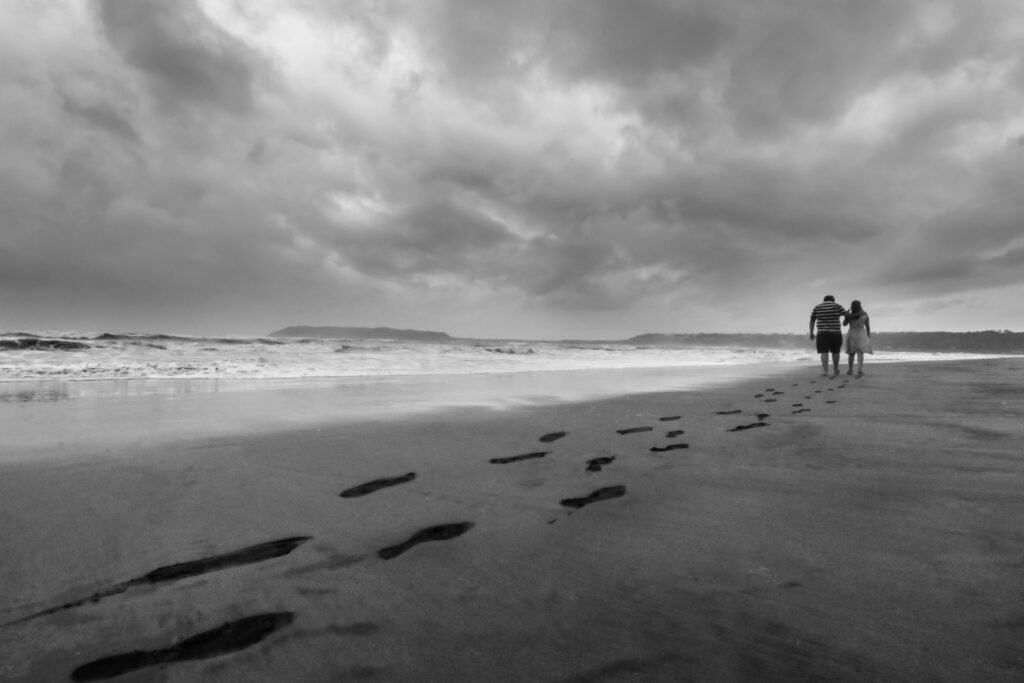
Some beaches announce themselves with speakers. Others just sit there, minding their own business, letting the tide do the talking. Goa has both kinds, sometimes within a short drive of each other, and the difference decides whether a holiday feels restful or merely busy. Relaxing, in beach terms, usually means space to spread a towel, shade that is easy to find, water that behaves, and a shack serving fish curry without a soundtrack. Finding those spots takes a little sorting. Here is a field guide to the quiet side of the coast.
What makes a Goa beach relaxing?
Four things matter most: crowd size, water conditions, facilities and distance from the main road. A calm beach has room to walk without dodging parasailing ropes, a handful of good shacks instead of rows of them, and enough distance from busy stretches that traffic noise fades. Swimming conditions shift with the season. Lifeguards and flag signals operate on many beaches, and their instructions deserve more respect than any travel blog (this one included). During the monsoon the sea turns rough, and swimming is generally off the table.
Which are the best beaches in Goa for a relaxing holiday?
The best beaches in Goa for unwinding sit mostly at the far ends of the coast, in the quiet north and the unhurried south.
Is Palolem a good choice for a calm beach day?
Yes, with one condition: go early or late. Palolem curves into a crescent in South Goa, with a long row of beach huts facing the water. By midday it fills up. By dawn it belongs to dog walkers and kayakers. Patnem, a short walk south, is the quieter cousin. Butterfly Beach, a small cove reached by boat or a trek, is the escape hatch for anyone who finds even Patnem too sociable.
Is Agonda really as peaceful as people say?
Mostly, yes. Agonda is wide, open and low-rise, with shacks facing the sea instead of a wall of buildings. Olive Ridley turtles are known to nest on its sands, which says plenty about the pace. Cola Beach, nearby, has a lagoon that meets the sea and works well as a half-day detour.
Which beaches in North Goa are best for switching off?
Mandrem, Ashwem and Morjim form the calm trio. Mandrem has a long, open sweep of sand. Ashwem mixes beach cafes with a yoga-and-hammock rhythm. Morjim is another place where Olive Ridley turtles are known to nest. Further north, Arambol has a freshwater lake, a cliff used for paragliding and a regular crowd of drummers. It is quieter than Baga, though never silent.
What about Benaulim, Varca and Cavelossim?
This stretch of South Goa is built for long walks. The sand is soft and flat, resorts sit back from the shore, and mornings are slow. Benaulim keeps a fishing-village feel, with boats pulled up on the beach, and the Goa Chitra museum is close by. Varca and Cavelossim suit travelers who prefer a resort base with the sea at the end of a path. Colva is busier, though its southern end toward Benaulim calms down.
Are the famous beaches in Goa worth visiting?
The famous beaches in Goa earned their reputation, and they are not built for silence. Baga and Calangute carry the water sports and the crowds. Candolim is generally the calmer of the three. Anjuna and Vagator are known for rocky edges, cliff-top cafes and sunsets that draw an audience. Visit them anyway, but visit them smartly. Early morning, before the jet skis start, they look like completely different places. Late afternoon at Vagator or Anjuna rewards anyone who arrives early enough to claim a spot on the rocks.
What are the highlights of a relaxing beach holiday in Goa?
- Palolem and Patnem for crescent bays and beach huts
- Agonda and Cola for wide sand and lagoon views
- Mandrem and Ashwem for yoga, cafes and fewer crowds
- Benaulim, Varca and Cavelossim for long morning walks
- Baga, Calangute and Candolim for an early-morning look at the famous names
- Sunset at Vagator or Anjuna for a change of mood
When is the best time to visit Goa’s beaches?
November to February gives the most comfortable weather, with crowds peaking around Christmas and New Year. October and March can be easier on the nerves and the footfall. The monsoon, from roughly June to September, brings green hills and heavy rain, but swimming is generally avoided and many shacks close for the season.
Pro tip: Walk the beach at sunrise at least once. The shacks are shuttered, the sand is cool, and the coast looks like it did before anyone had an opinion about it.
So, where should you actually unwind?
Palolem and Agonda for the south, Mandrem and Ashwem for the north, and an early morning at one of the famous names for the sake of the photographs. Relaxation in Goa rarely comes from finding a secret beach. It comes from choosing the right hour. Travelers who would rather skip the planning can explore holiday options through Travel Junky and spend the saved energy on the hammock.